 Wild Insides
 #
Weird nature
This Rat Hunts Landmines. It's Too Light to Set Them Off
African giant pouched rats can smell the explosive that leaks from buried landmines into the soil.
Short. Strange. True.The real science
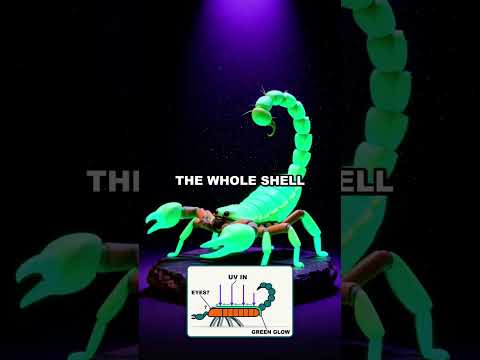
A scorpion doesn't make light. It changes it. A thin coat on its shell turns invisible UV into blue-green light. A freshly shed scorpion stays dull until its new shell hardens. One idea is that the whole shell works as a light sensor that tells the scorpion when moonlight is too bright to come out. Other ideas are sunscreen or a signal to other scorpions. None has been proven. Animated with AI-assisted 3D tools. For curiosity and education only. Don't try anything shown in this video.
Don’t try anything shown in this video.
Sources for this one are being written up. Every fact is checked before the video goes out.
Curious about something in “Scorpions Glow Under A Black Light And Nobody Knows Why”? Our AI-powered helper answers using only this page’s write-up and sources.
AI answers can be wrong; check the sources. Not medical advice.
Our illustrations simplify anatomy and scale. Educational content only; not medical advice.
#African giant pouched rats can smell the explosive that leaks from buried landmines into the soil.
 #
Scientists glue a small sensor tag onto an elephant seal's fur.
 #47
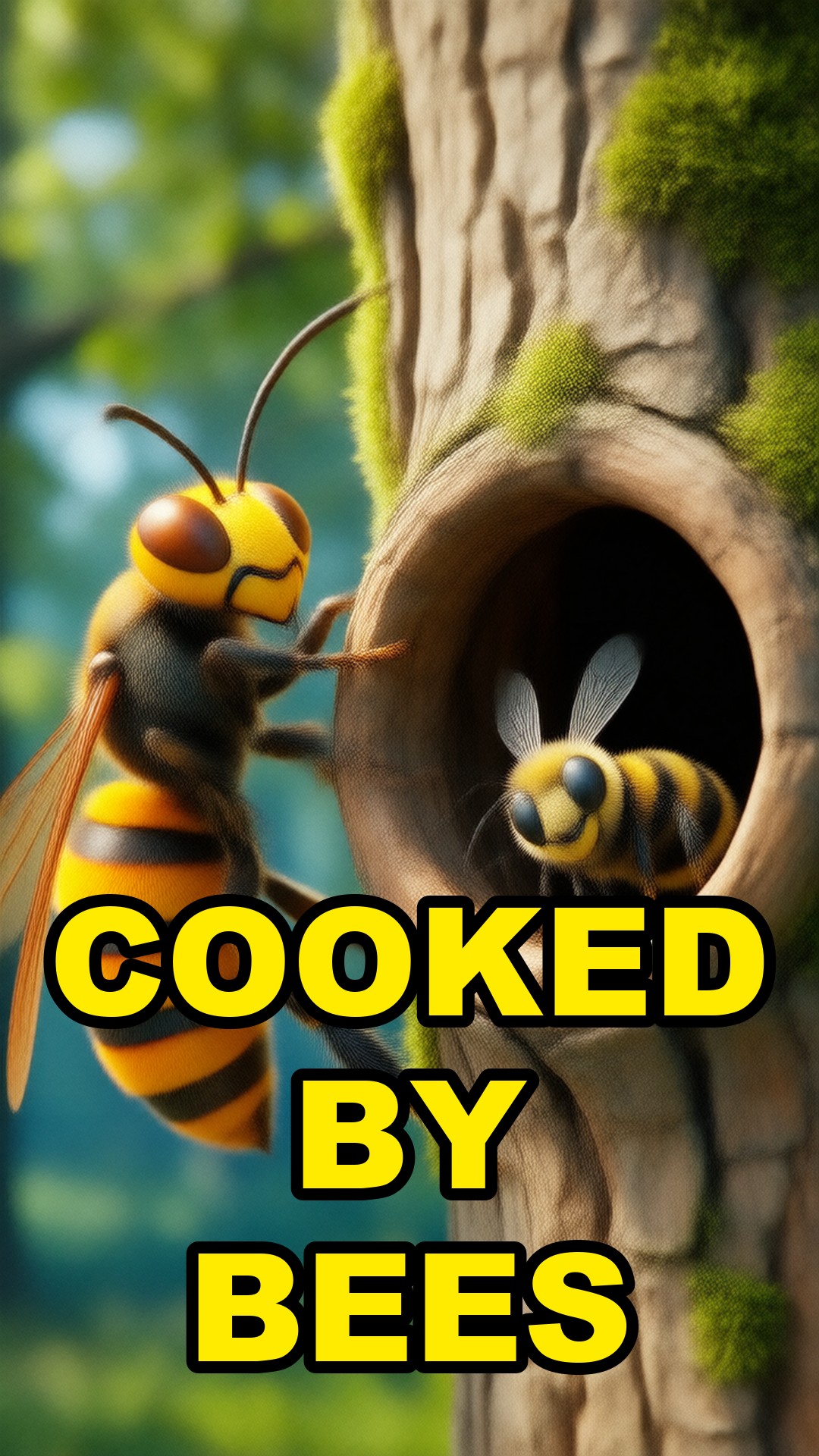
When a giant hornet scout finds a Japanese honeybee nest, hundreds of bees pile onto it and form a tight ball.