 Wild Insides
 #
Human body
Hot Sand Burns Your Feet, But The Sea Beside It Doesn't
Same sun, same beach.
Short. Strange. True.The real science
Small cut-aways of a very strange world. Pick a topic and follow the science.
#Same sun, same beach.
 #
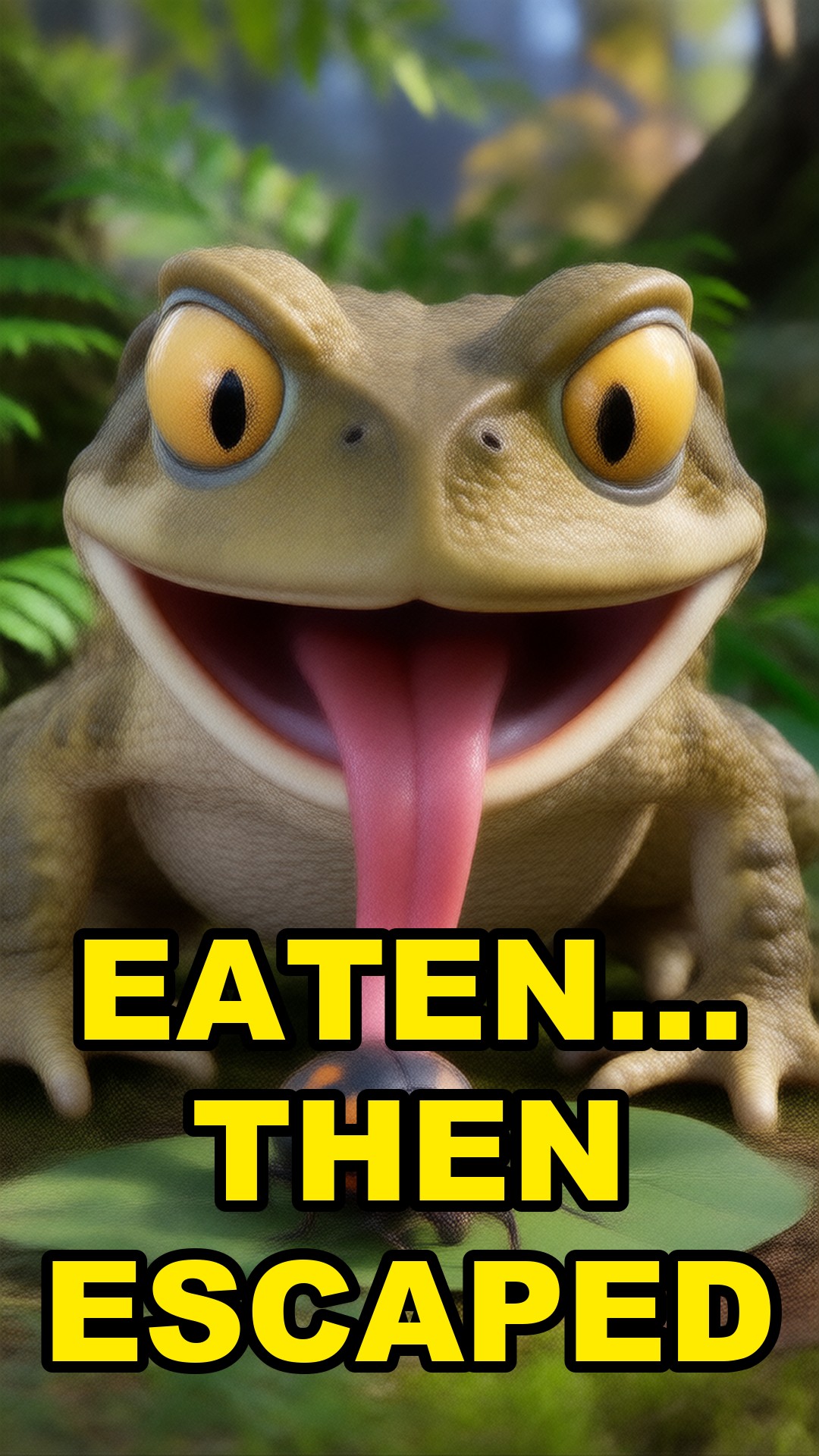
A toad swallows a bombardier beetle whole, and then the beetle fights back from inside.
 #
Your fingers felt nothing in the snow, so why do they burn once you're back inside?
 #
Some people hear their own eyes turn, along with their heartbeat, their footsteps and a booming version of their own voice.
 #
A kingfisher can dive into water with barely a splash, thanks to its long beak that widens slowly from the tip.
 #
African giant pouched rats can smell the explosive that leaks from buried landmines into the soil.
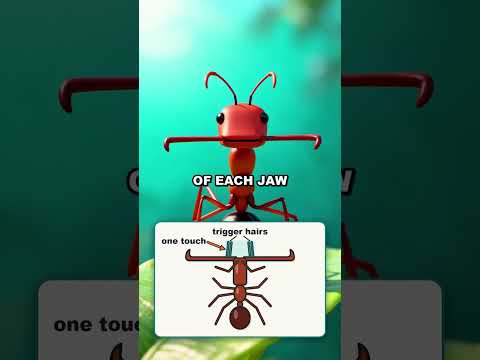 #
The trap-jaw ant keeps its jaws latched open like a cocked trap.
 #
Researchers in Japan glued an ultra-thin solar film, thinner than a human hair, onto a Madagascar hissing cockroach.
 #
A great grey owl can strike at a vole it has never seen, hidden in a tunnel deep under the snow.
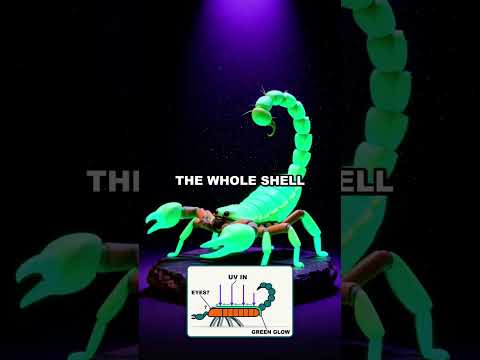 #
A scorpion doesn't make light.
 #
Brain tissue has no pain sensors, which is why some brain surgery is done while the patient is awake.
 #
This brush-turkey chick has just dug itself out of a heap of rotting leaves, and no parent is waiting.
 #
Scientists glue a small sensor tag onto an elephant seal's fur.
 #
Land flat on your back and your breath just stops, but your lungs are fine.
 #
The nettle leaf itself is harmless.
 #48
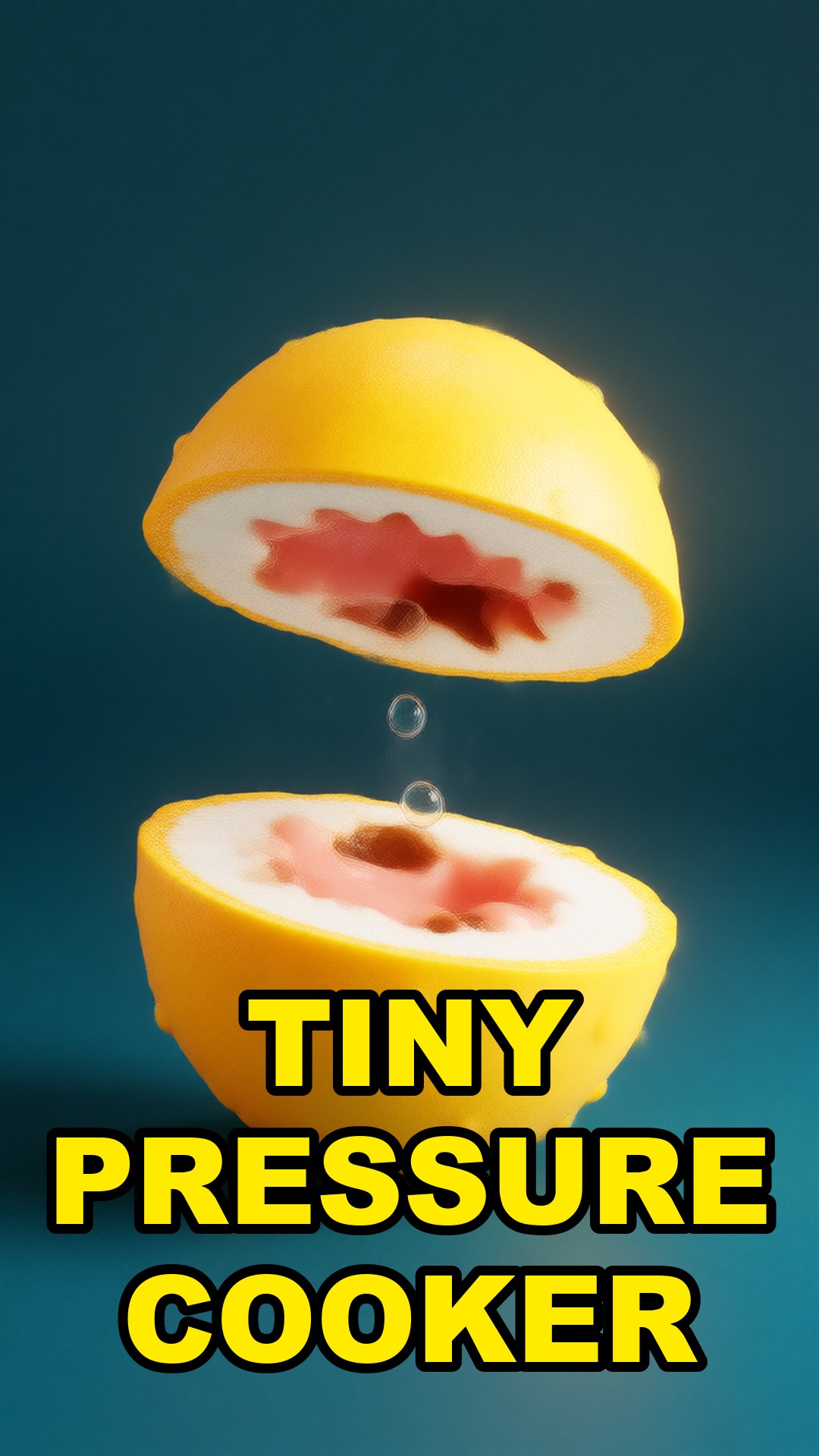
Every popcorn kernel is a tiny sealed pressure cooker.
 #47
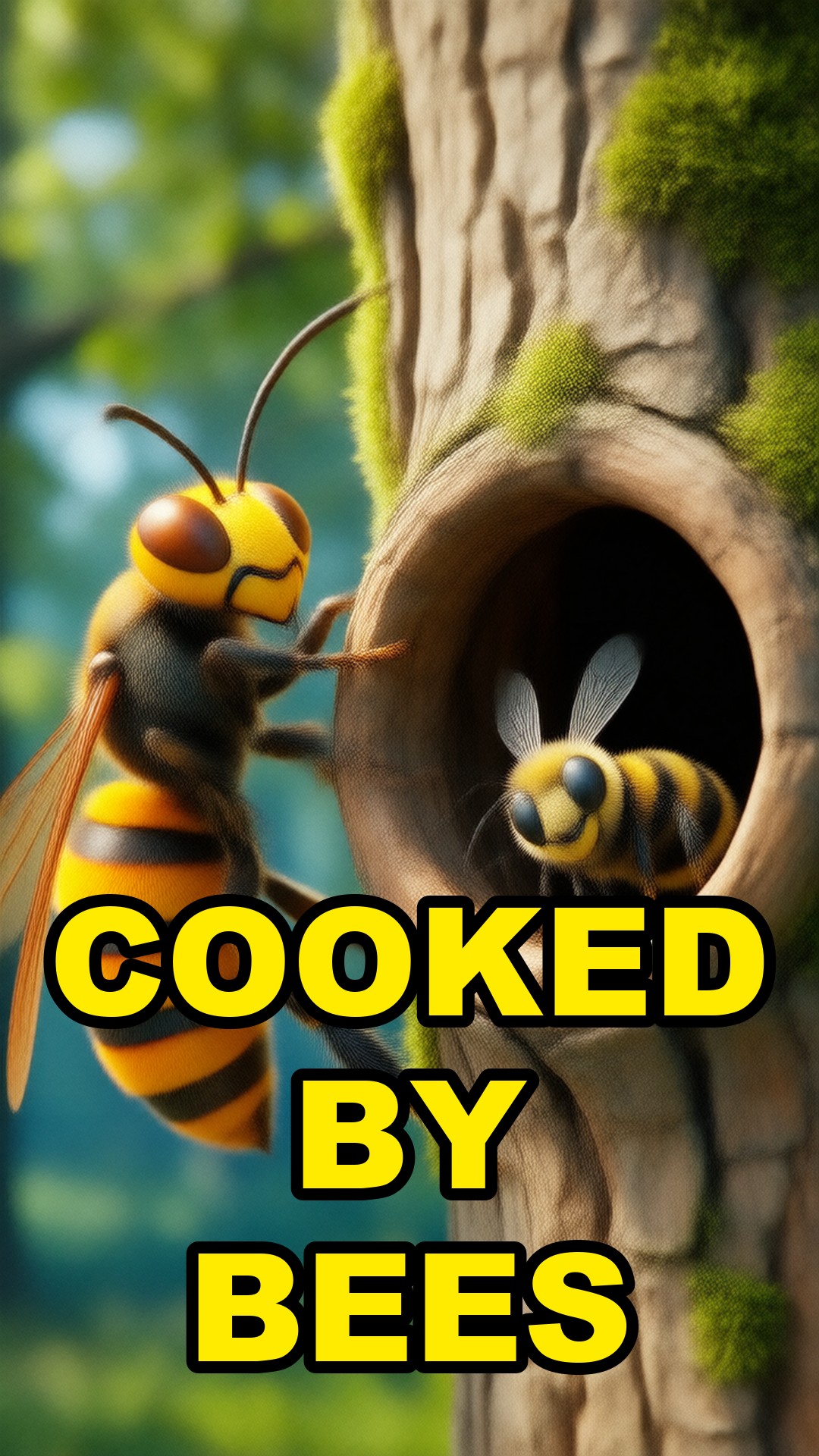
When a giant hornet scout finds a Japanese honeybee nest, hundreds of bees pile onto it and form a tight ball.
 #46
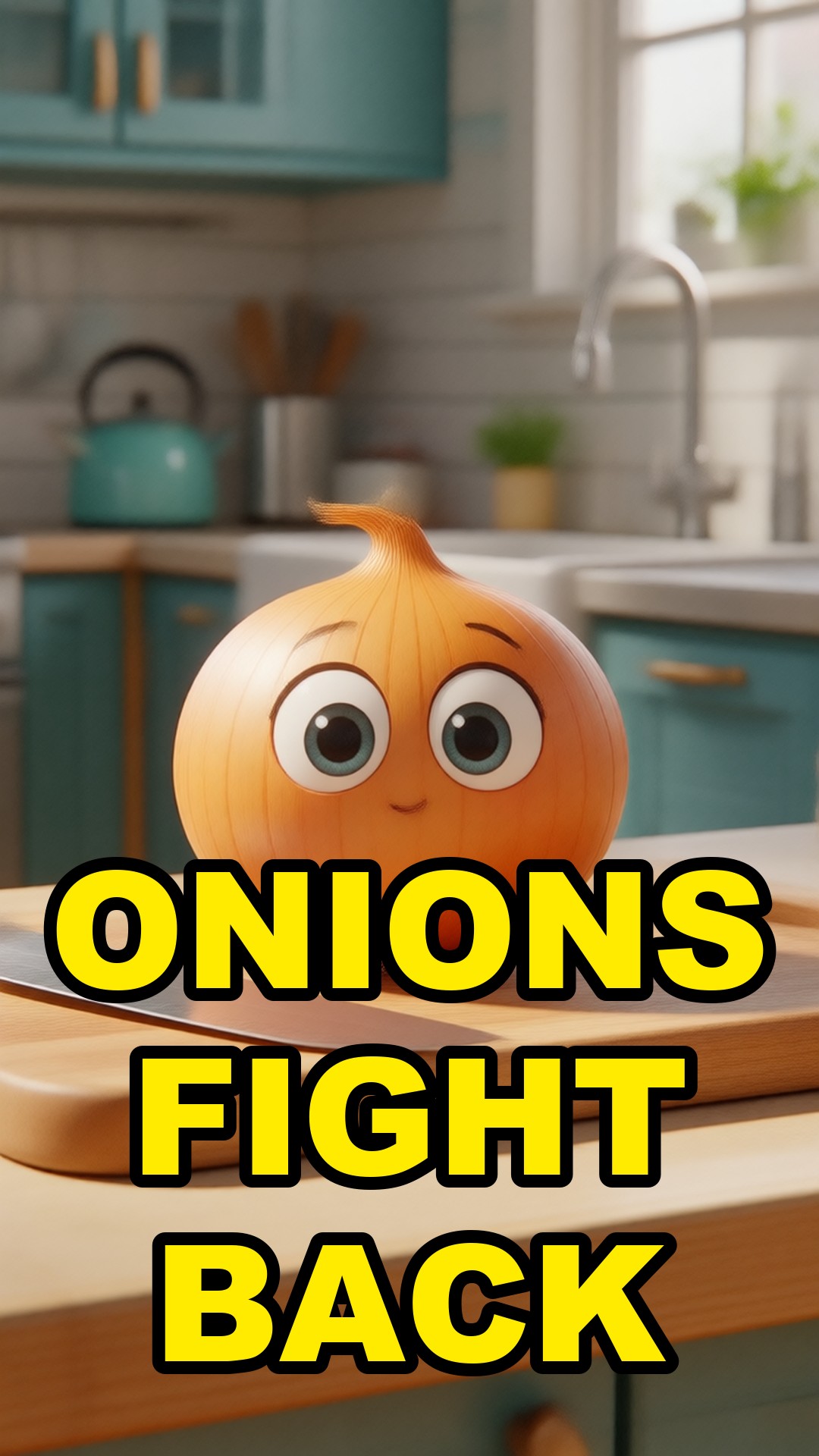
An onion keeps two chemicals stored apart inside its cells.
 #45
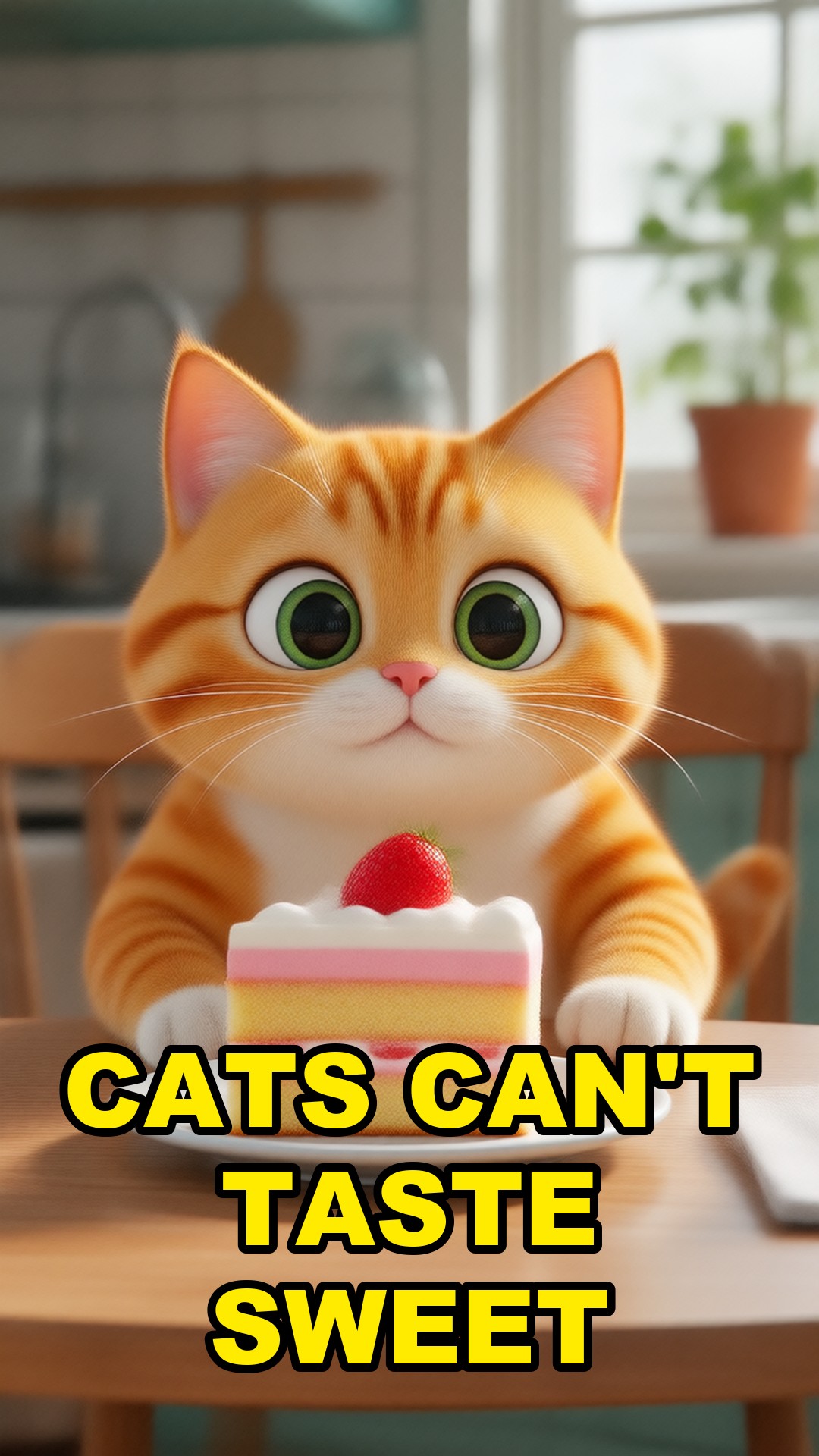
Cats can't taste sweetness.
 #44
That tiny hole in your plane window is there on purpose.
 #43
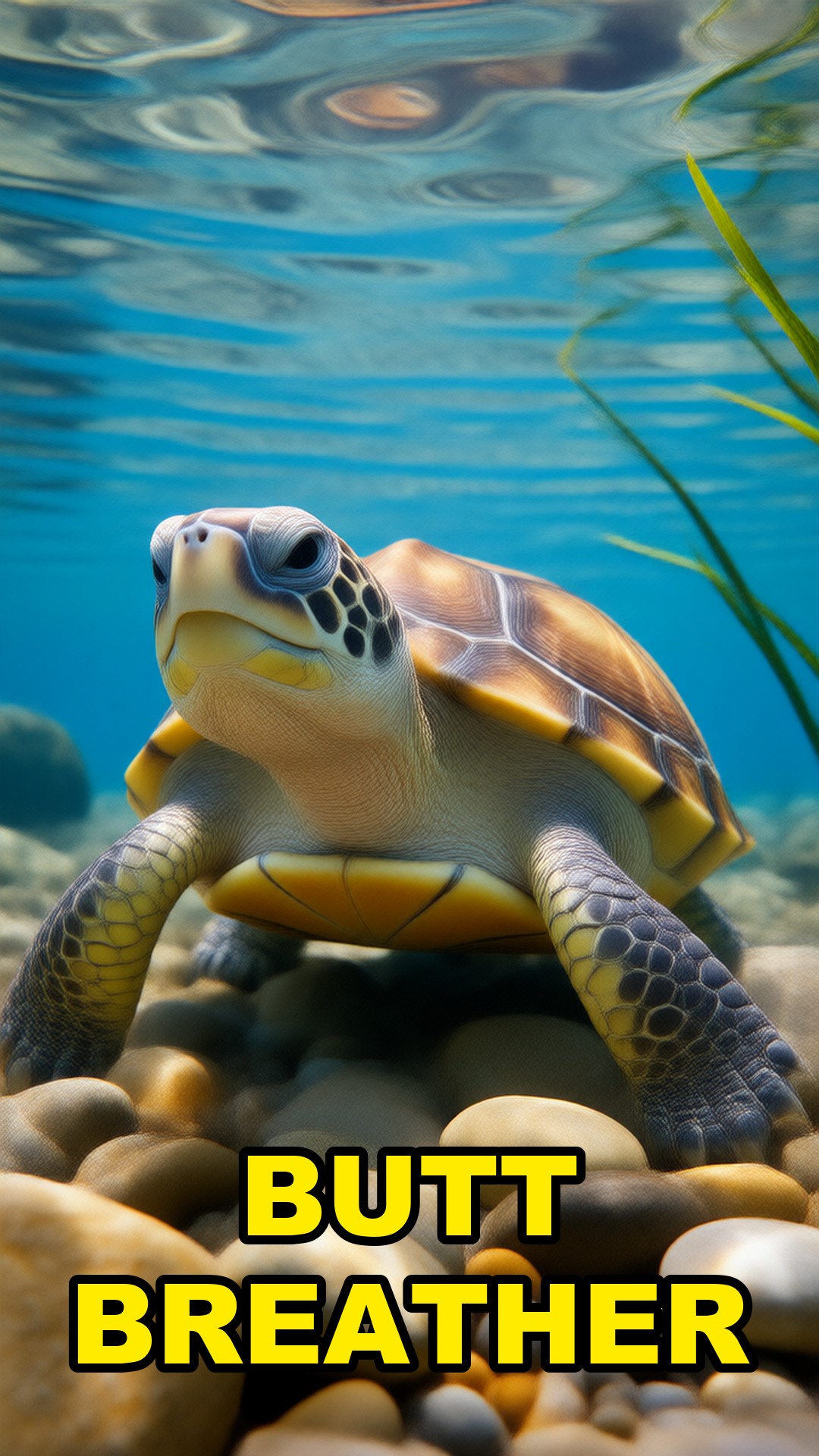
The Fitzroy River turtle in Australia pumps water in and out of its rear end.
 #42
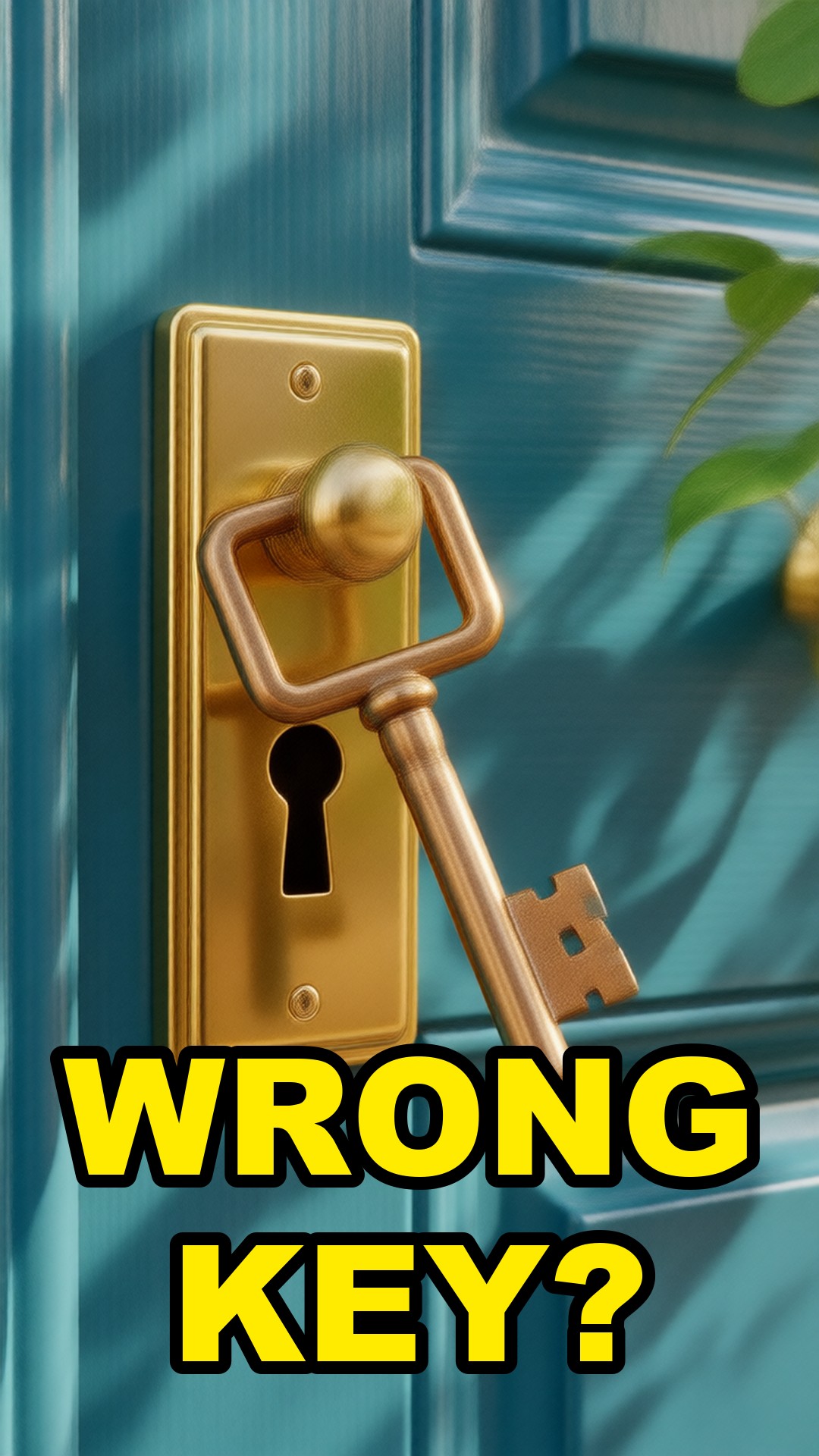
Inside an ordinary door lock, five split pins decide which key is allowed to turn.
 #41
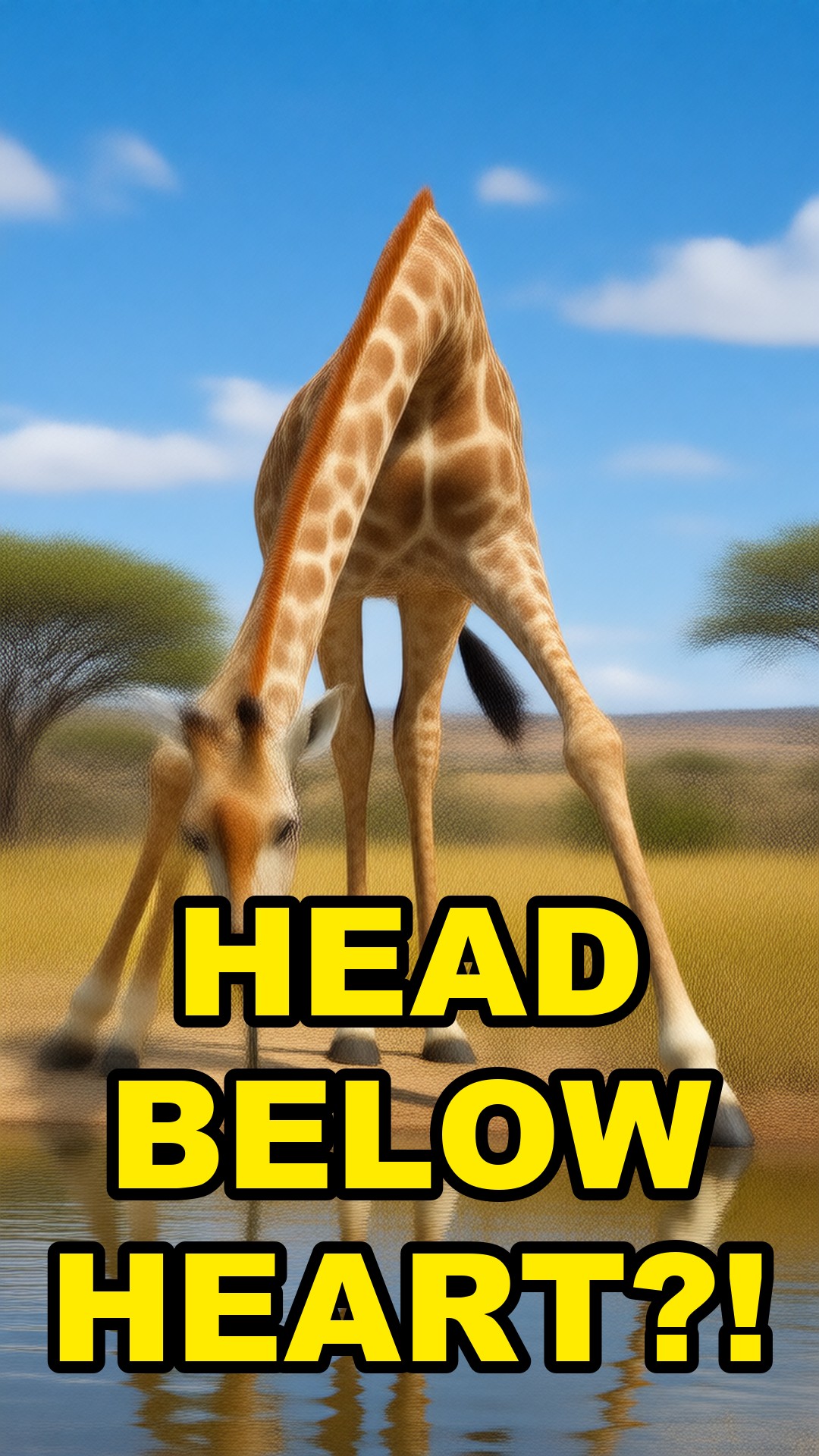
When a giraffe drinks, its head drops from about two metres above its heart to below it.
 #40
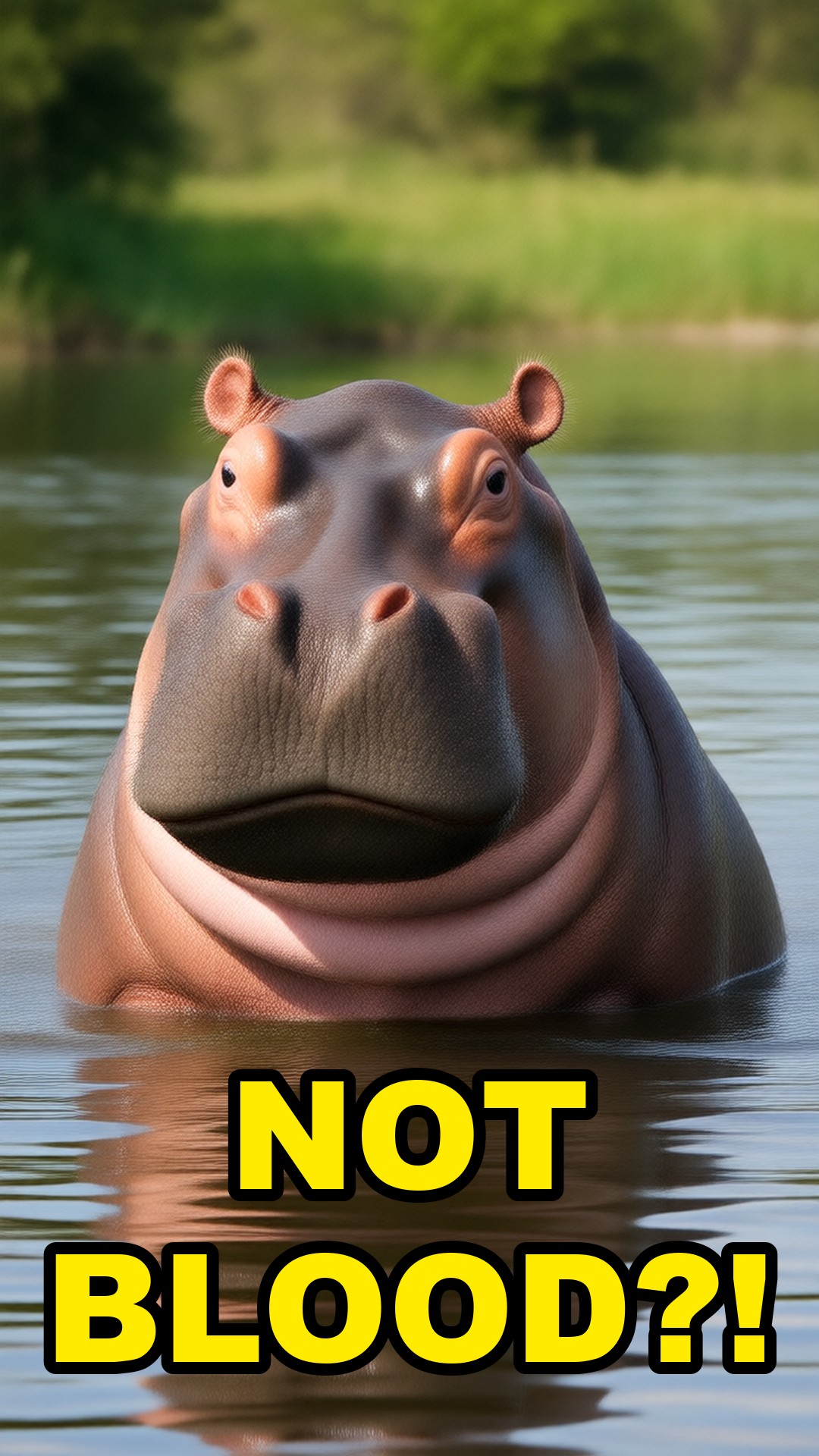
Hippos sometimes look like they are covered in blood, but the red stuff is not blood and not sweat.
 #39
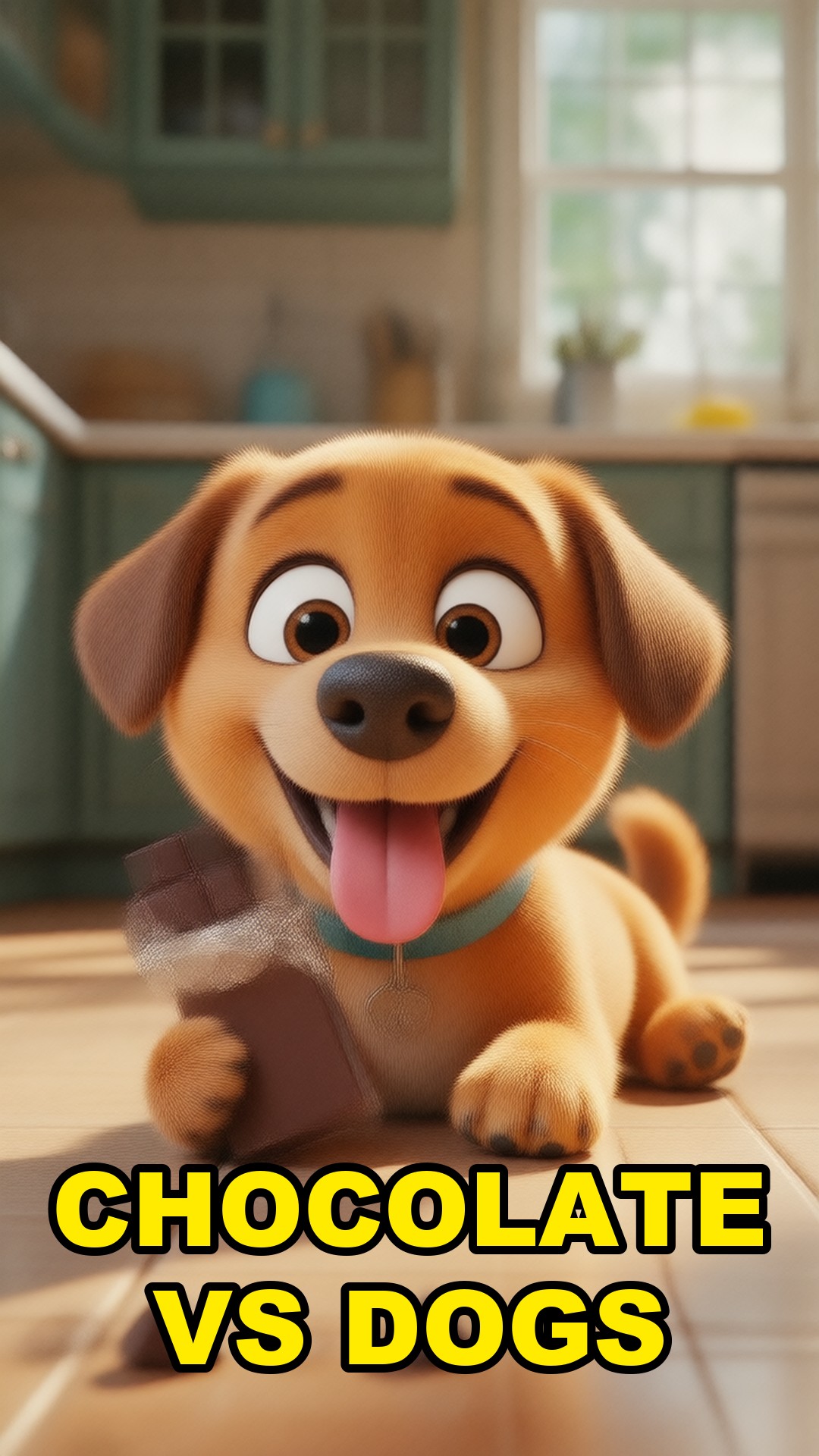
Chocolate contains theobromine, a chemical closely related to caffeine.
 #38
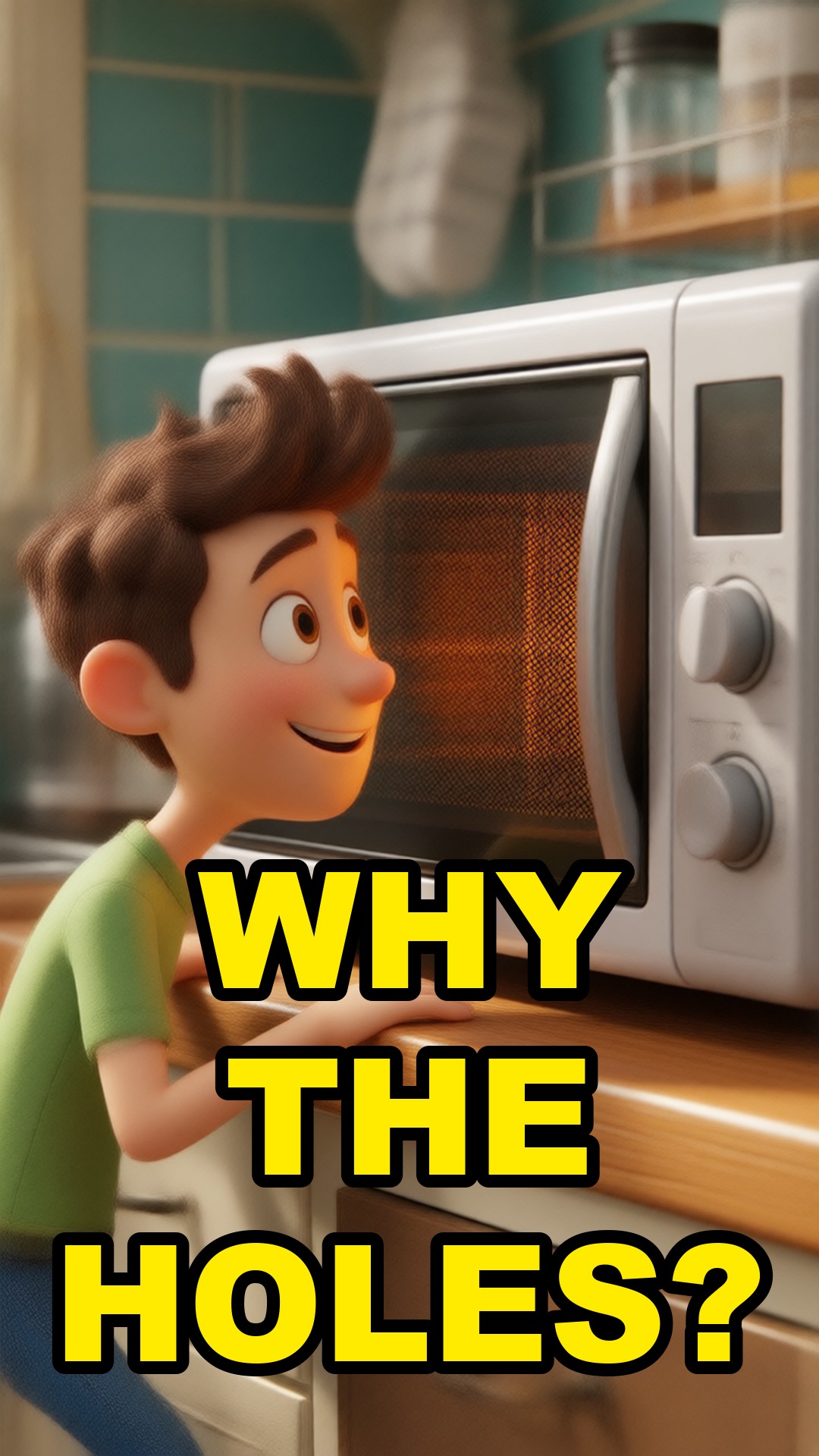
Your microwave door is full of holes, so why doesn't it cook you?
 #37
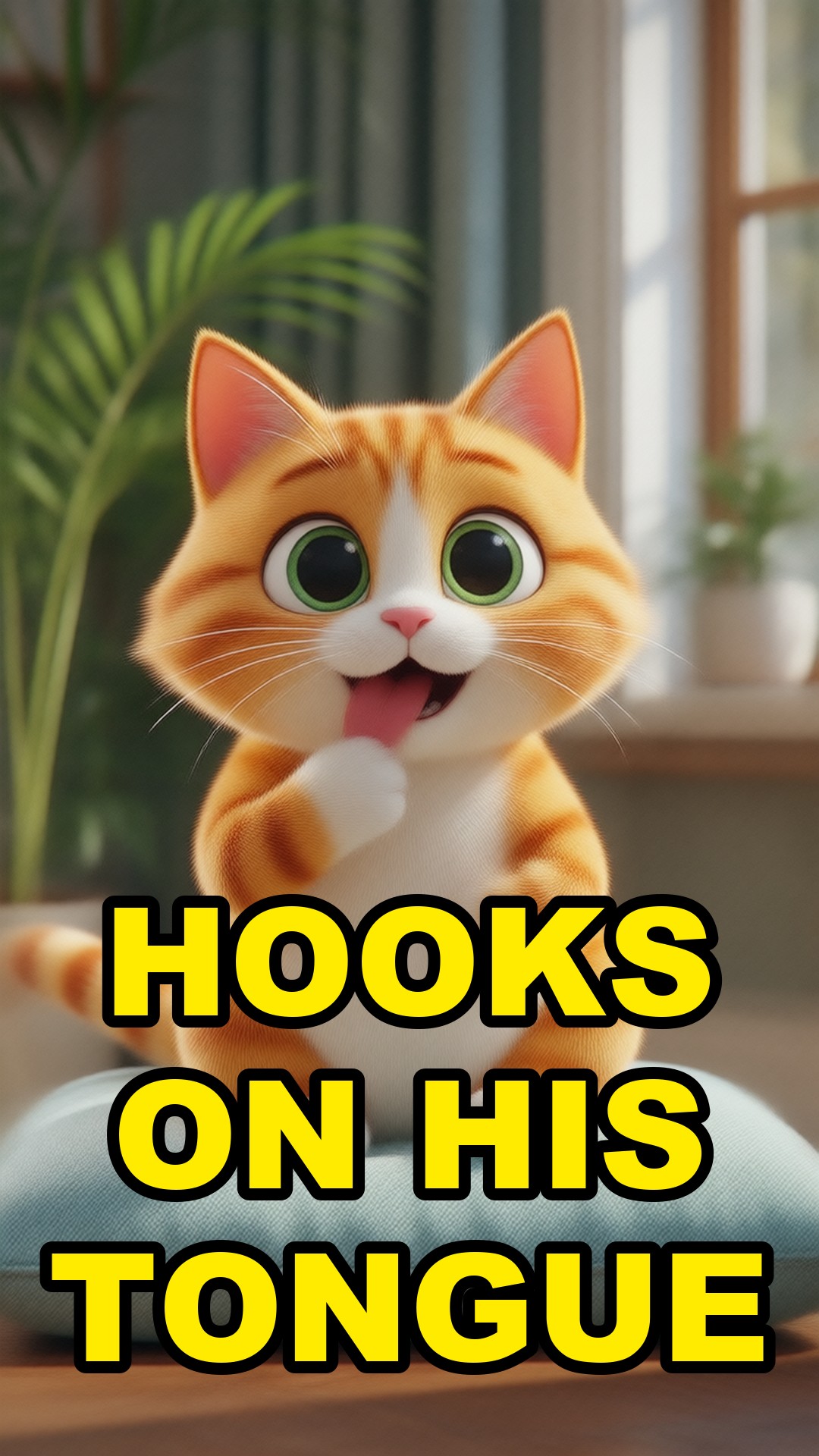
A cat's tongue is covered in hundreds of stiff, backward-curving spines made of keratin, and each one has a hollow scoop at the tip.
 #36
Fulmar chicks spend a lot of time alone on cliff ledges while their parents feed at sea.
 #35
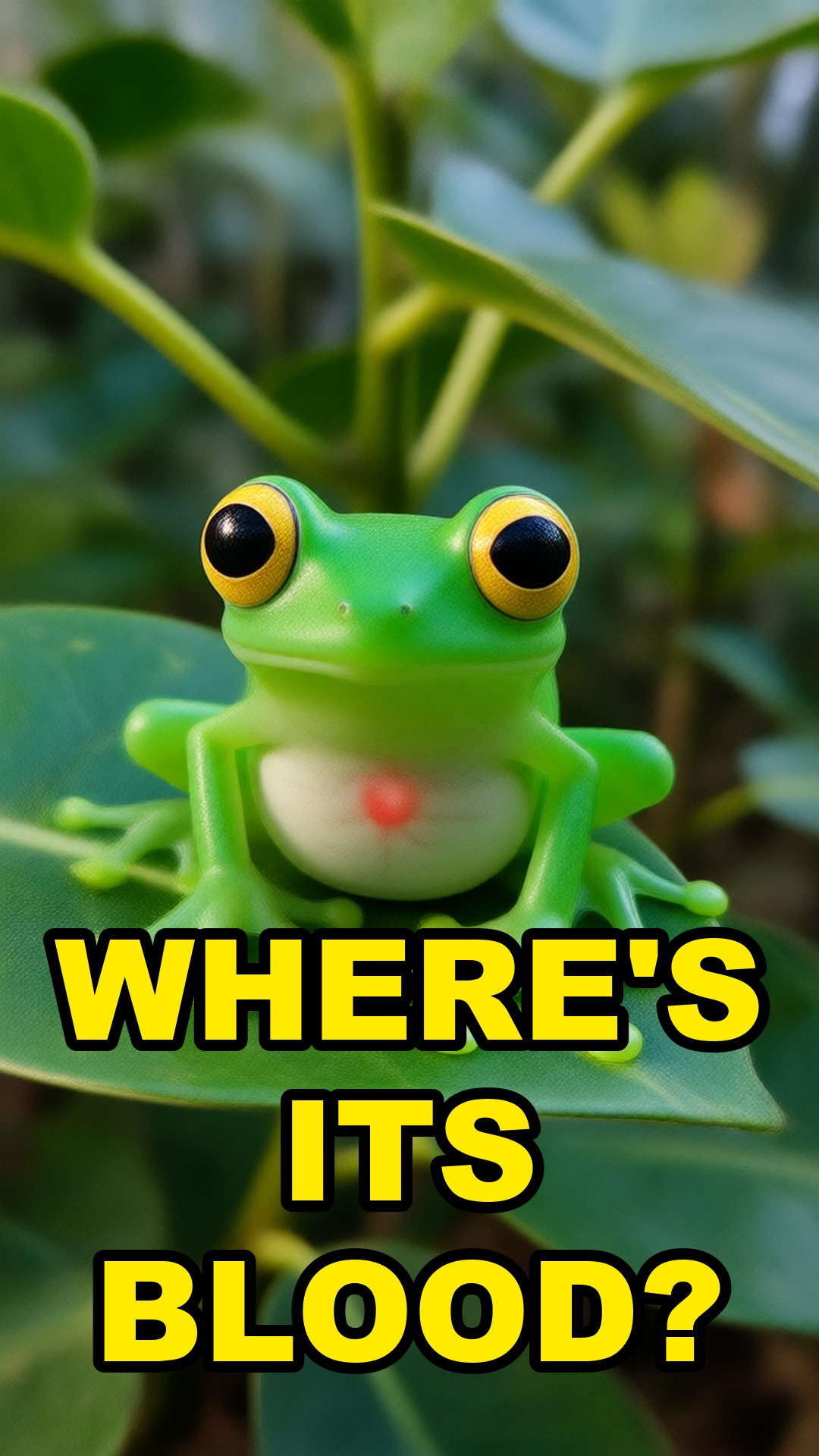
Glass frogs have see-through skin, but red blood should give them away.
 #34
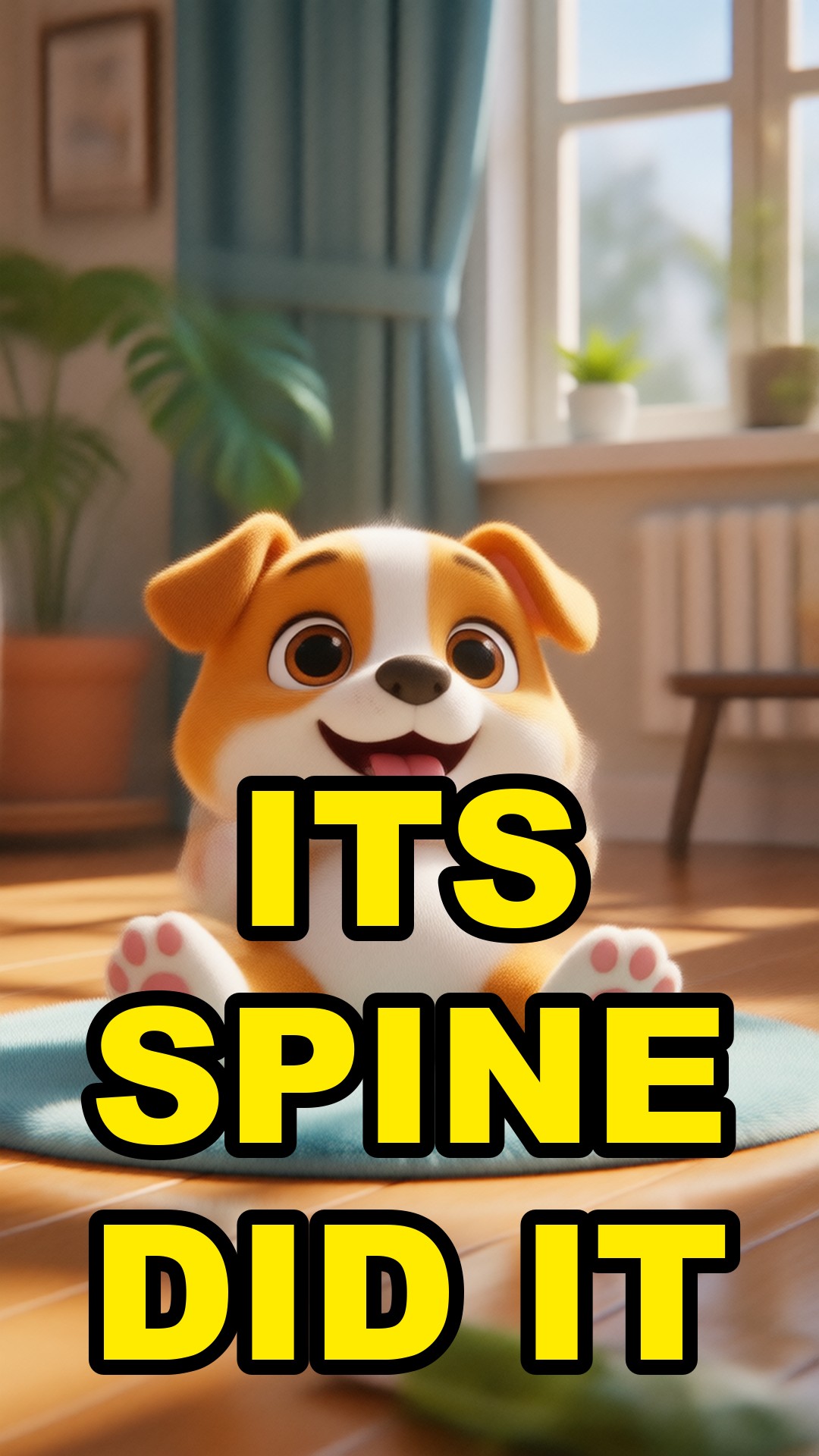
Scratch the right spot and your dog's back leg starts pedalling.
 #33
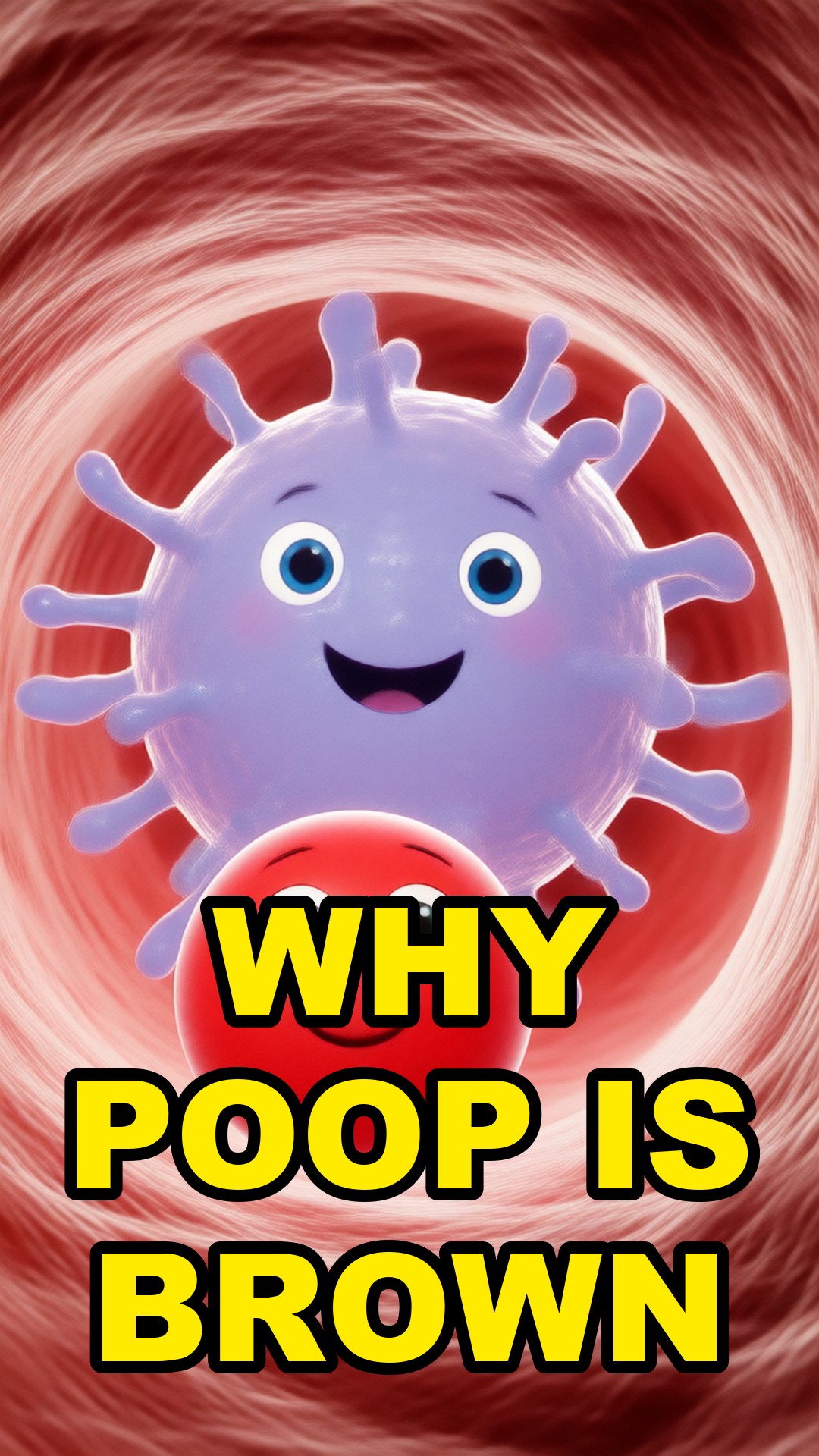
Every red blood cell lives for about four months.
 #32
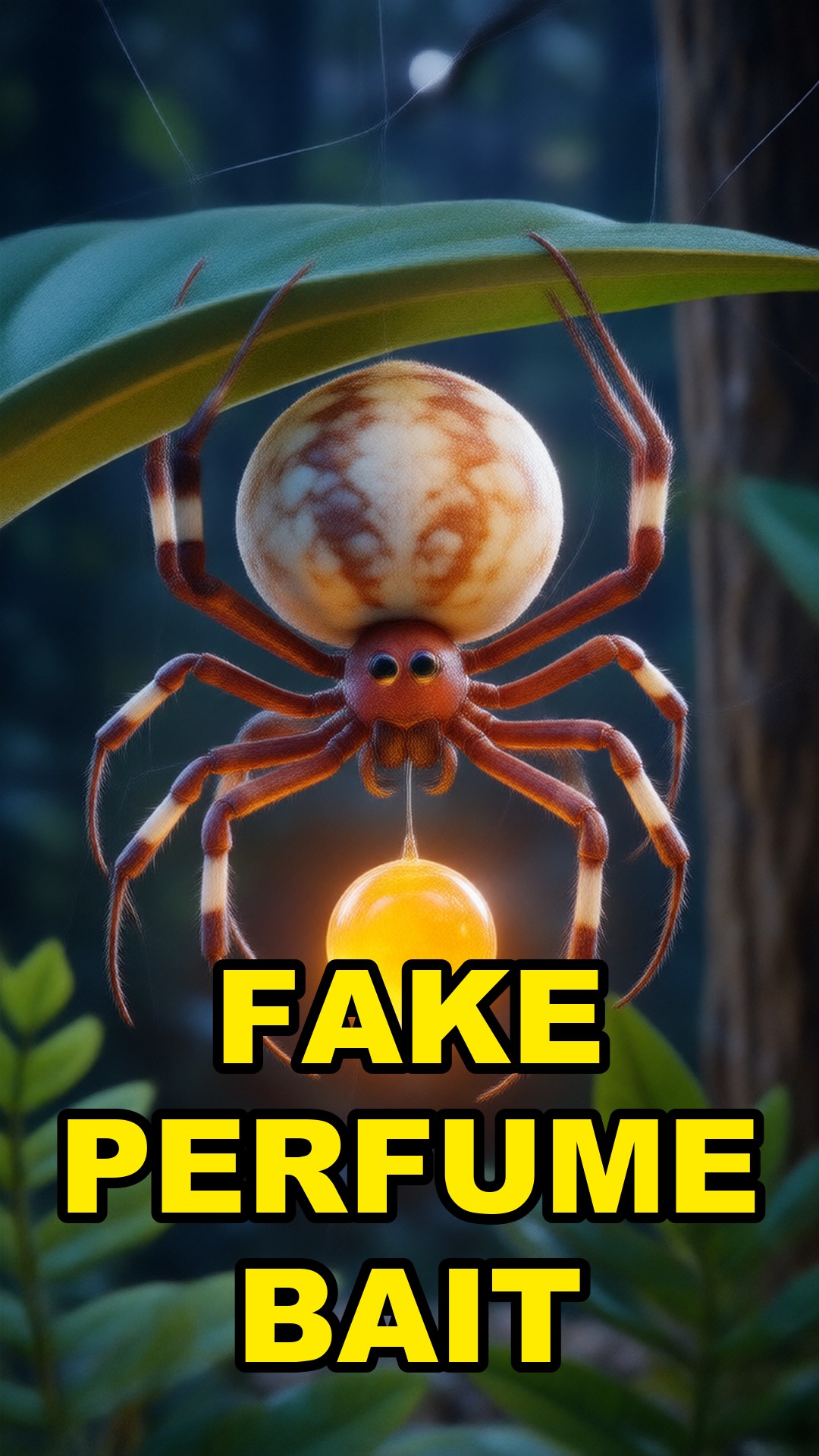
Bolas spiders don't build a normal web.
 #31
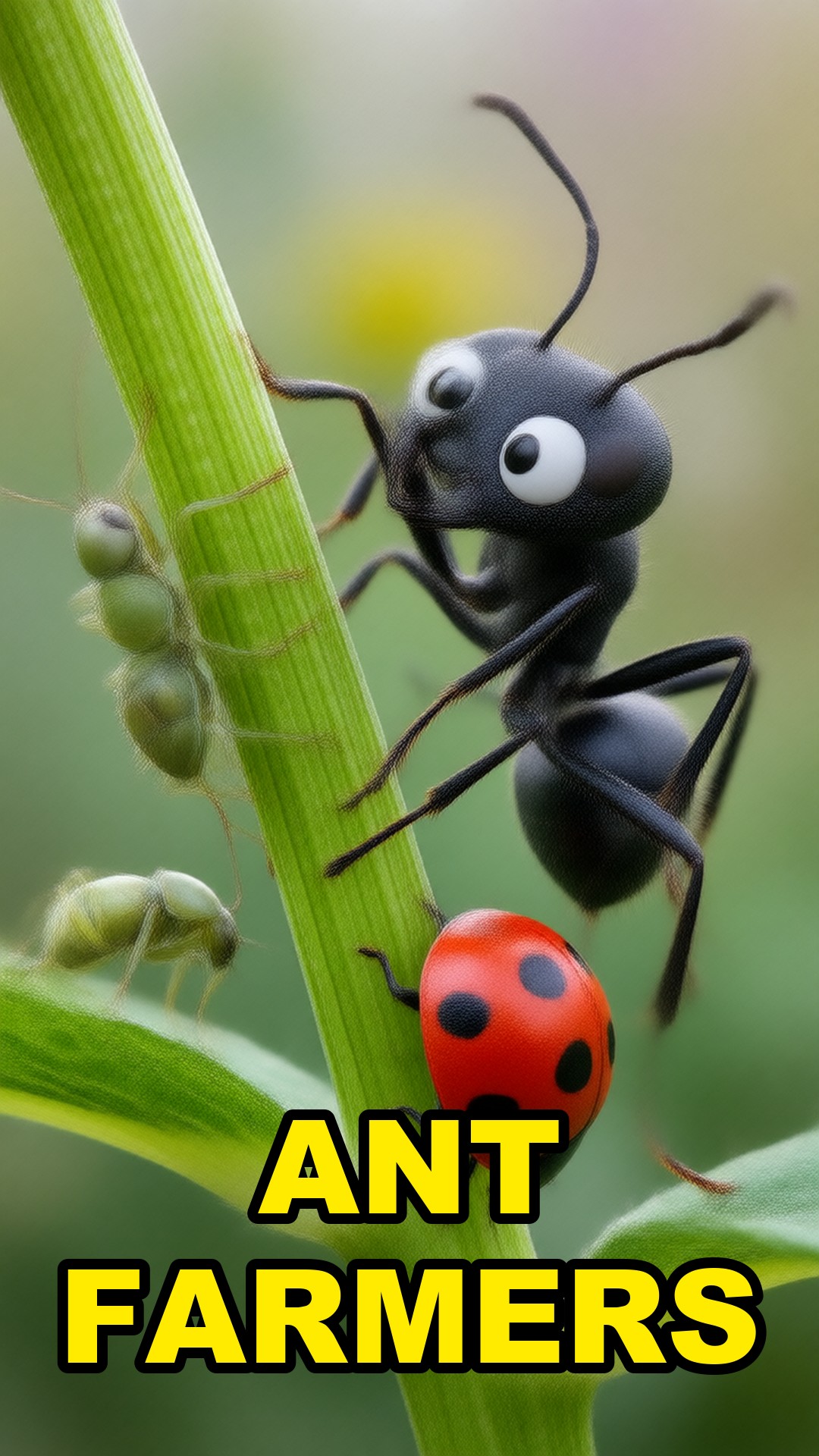
Ants guard aphids from hungry ladybugs, but they aren't doing it to be kind.
 #30
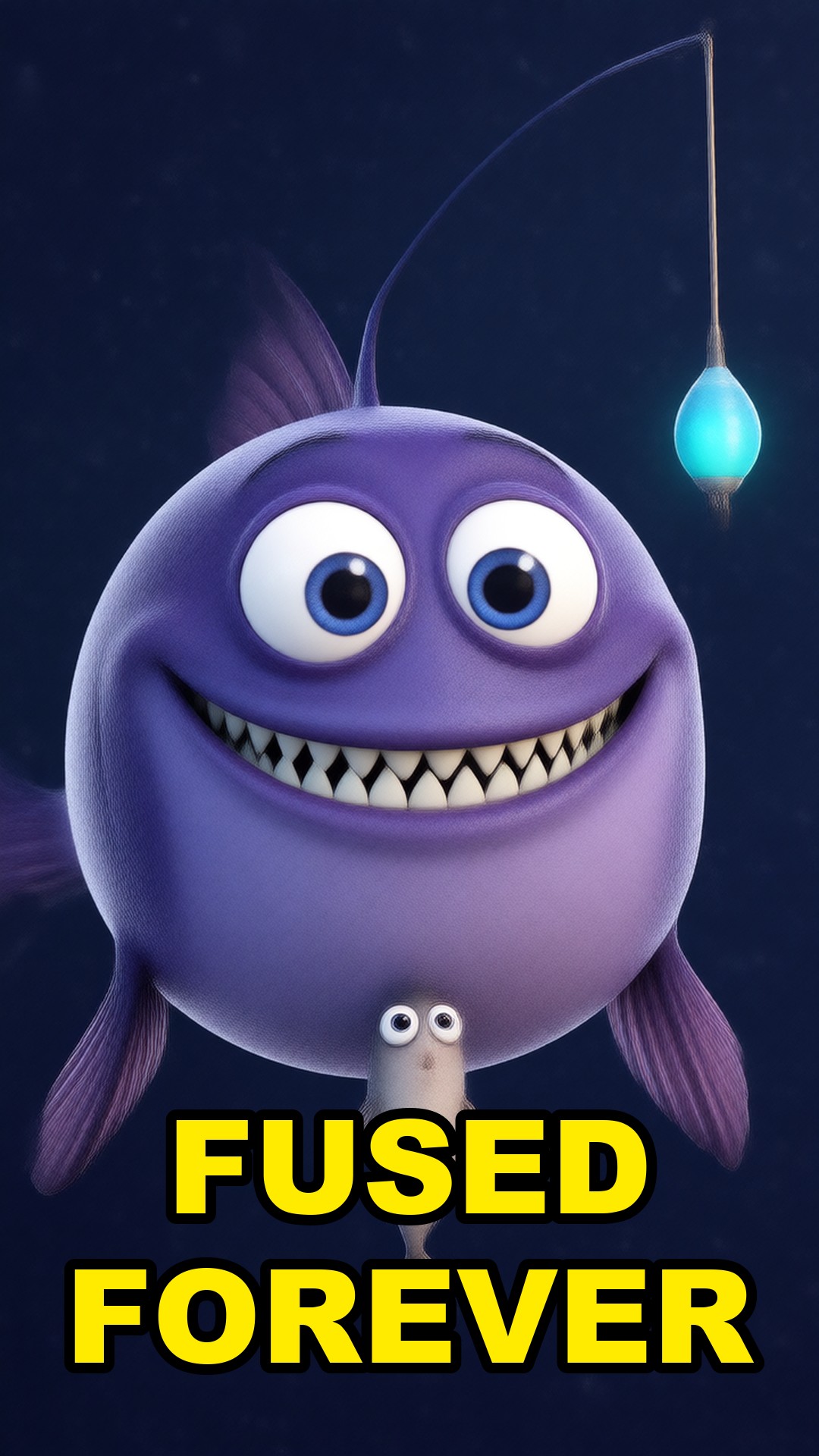
In the deep sea, some male anglerfish are tiny.
 #29
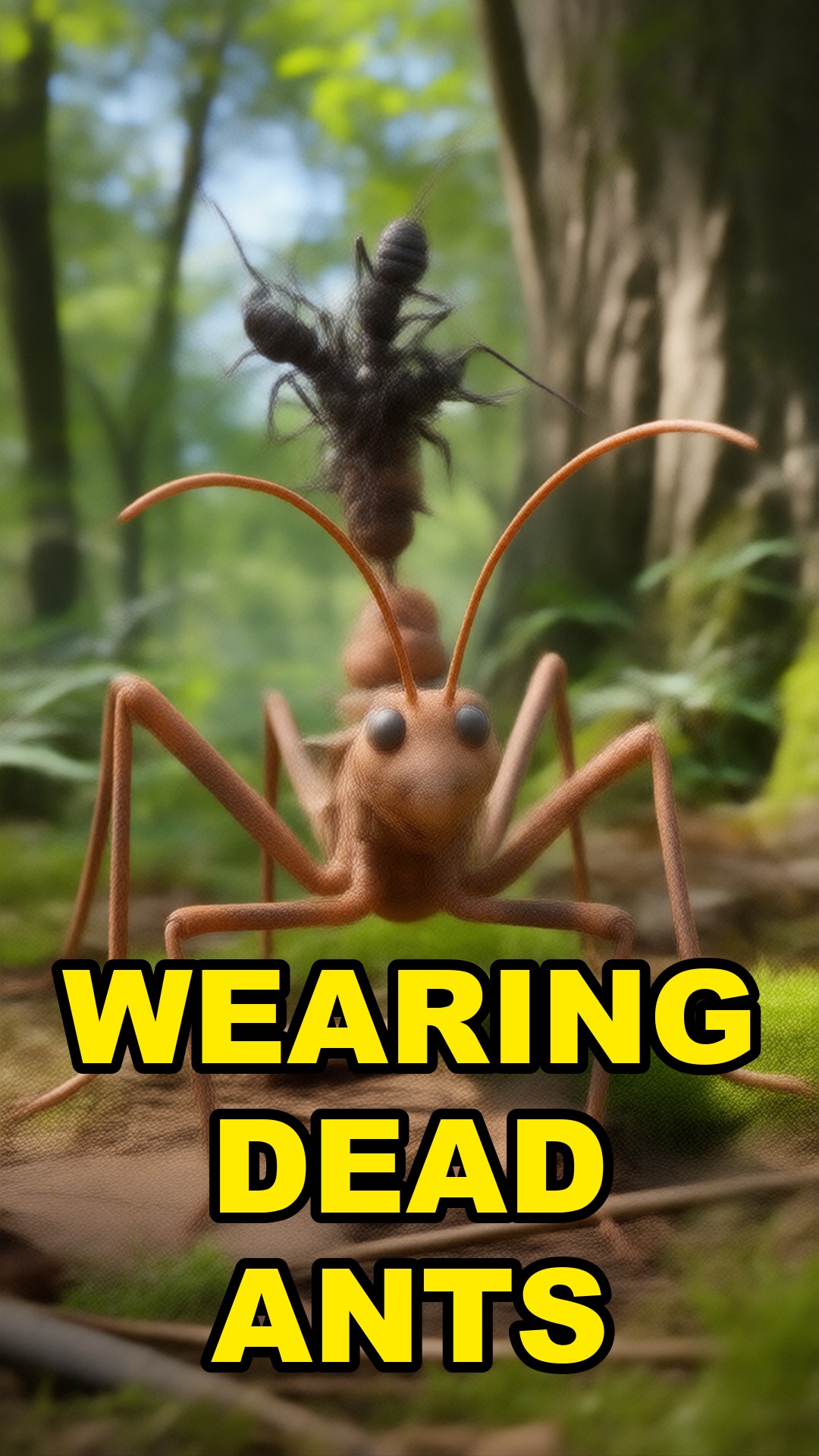
A young African assassin bug hunts ants, drinks them hollow and glues their empty bodies onto its back.
 #28
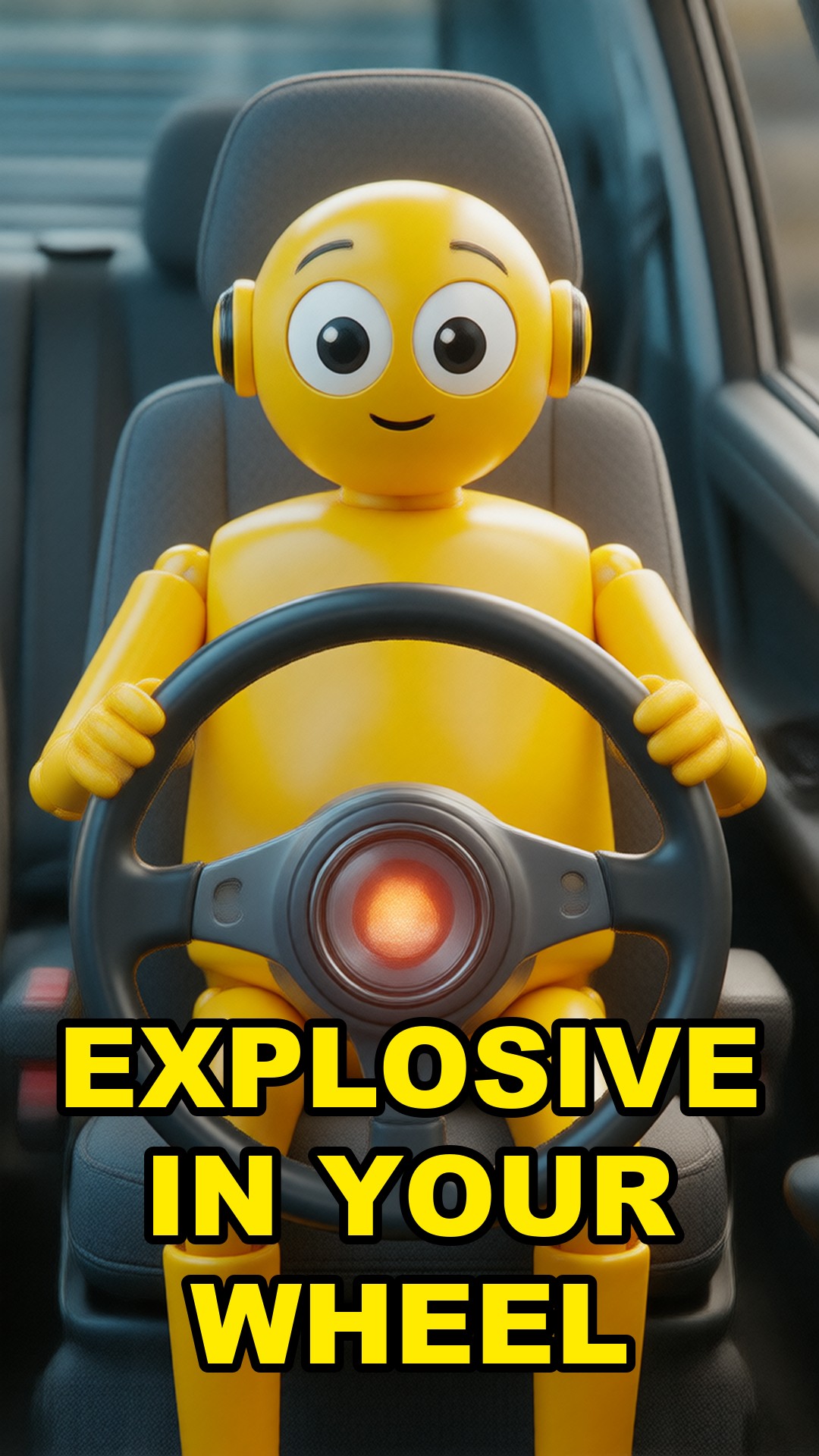
Every airbag has a small pyrotechnic charge inside it.
 #27
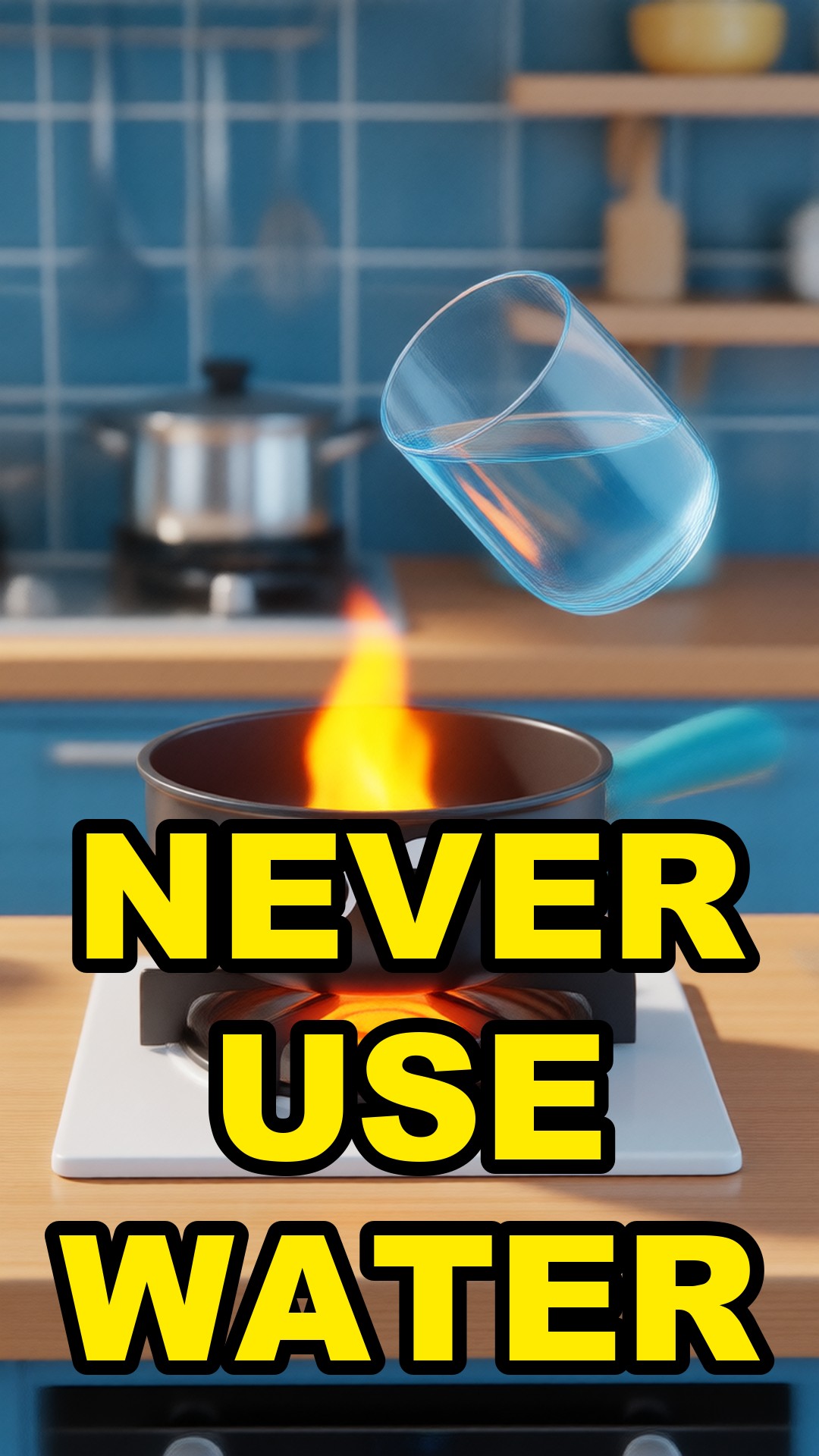
A small pan fire looks easy to put out with water, but this is what happens inside the pan when you try.
 #26
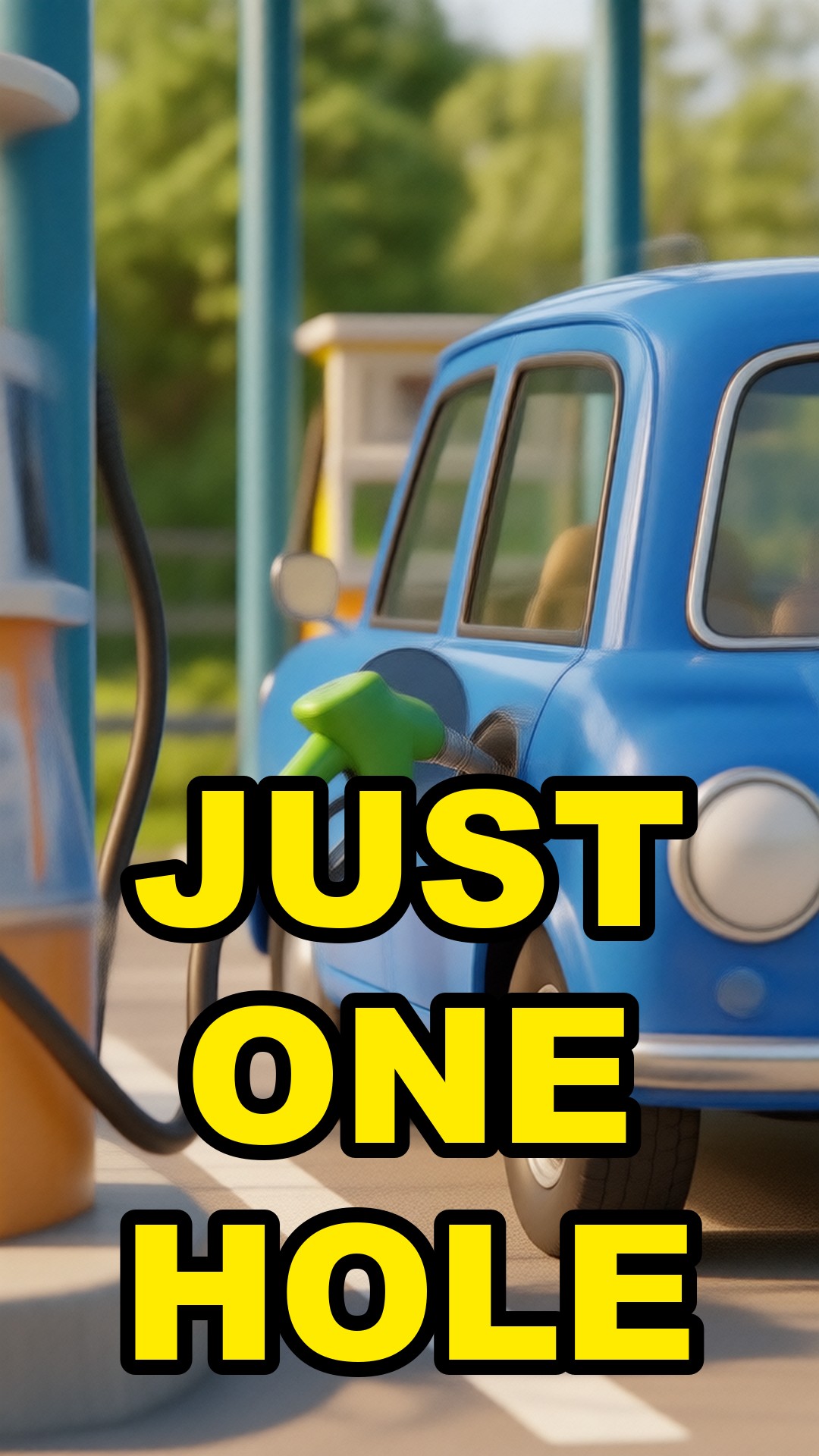
A gas pump nozzle shuts itself off when your tank is full, with no sensor, chip or electricity.
 #25
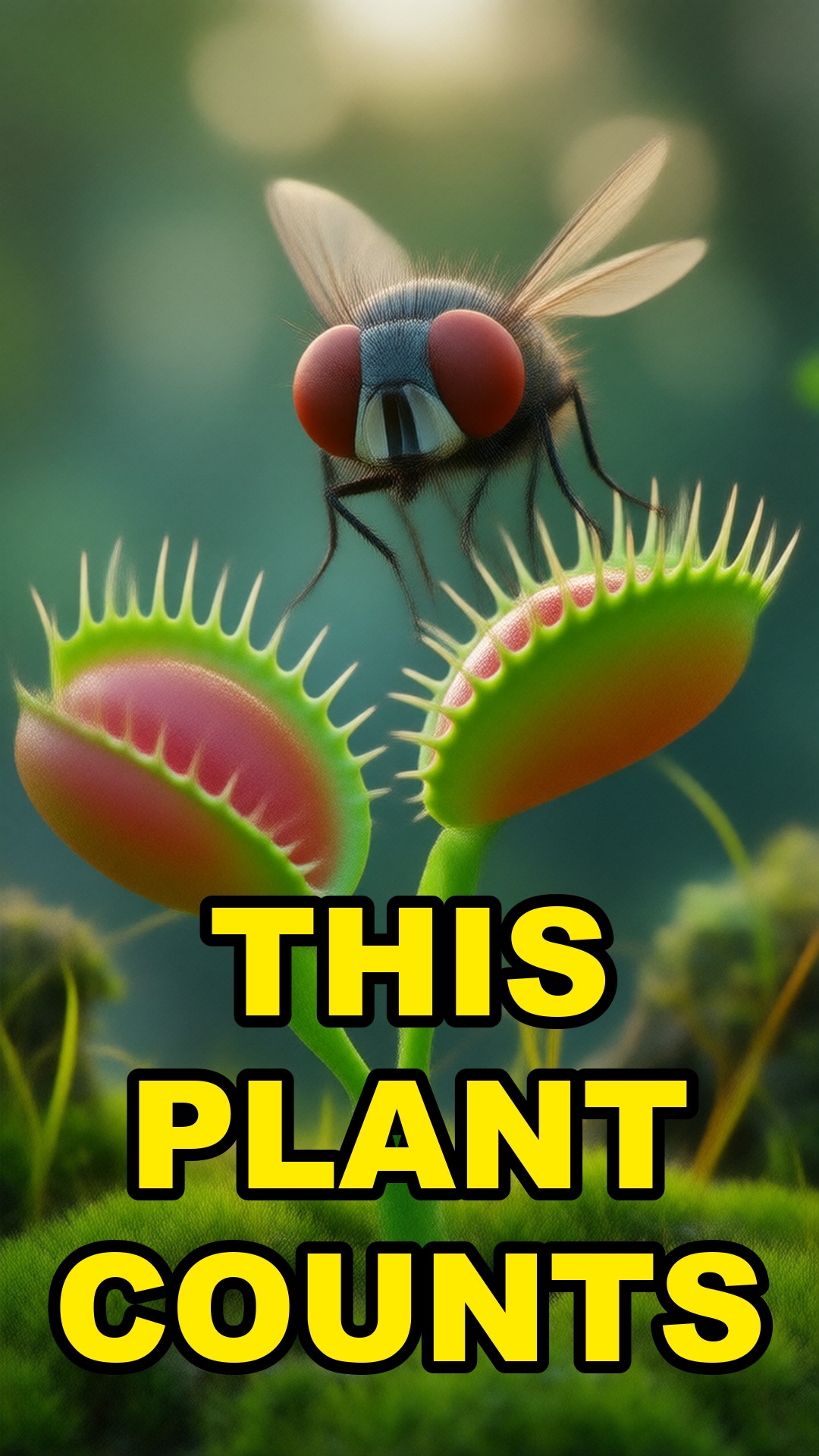
A Venus flytrap won't close the first time something touches it.
 #24
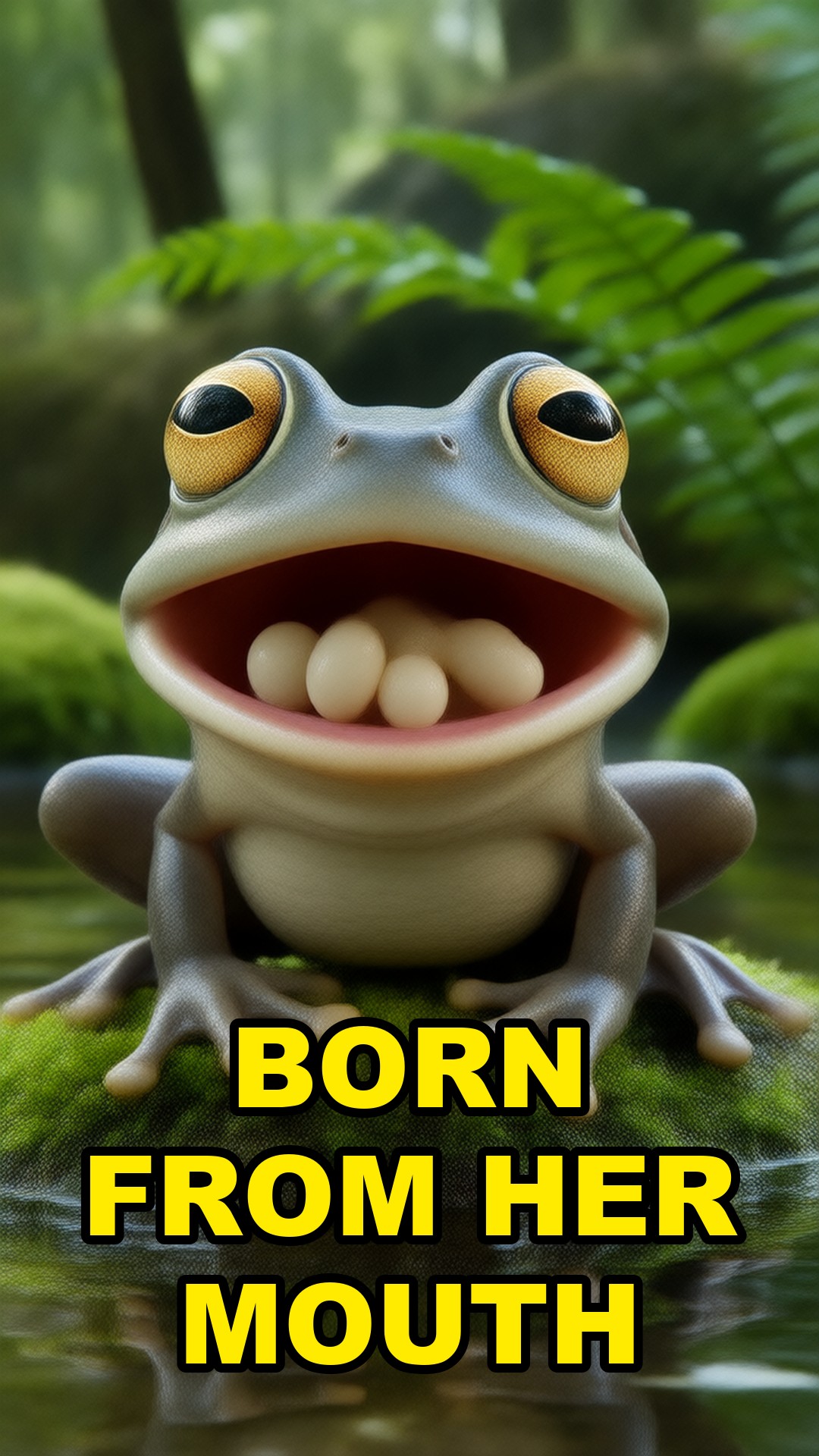
The southern gastric-brooding frog swallowed her own eggs, switched off her stomach acid, and raised her young inside her stomach for about six weeks.
 #23
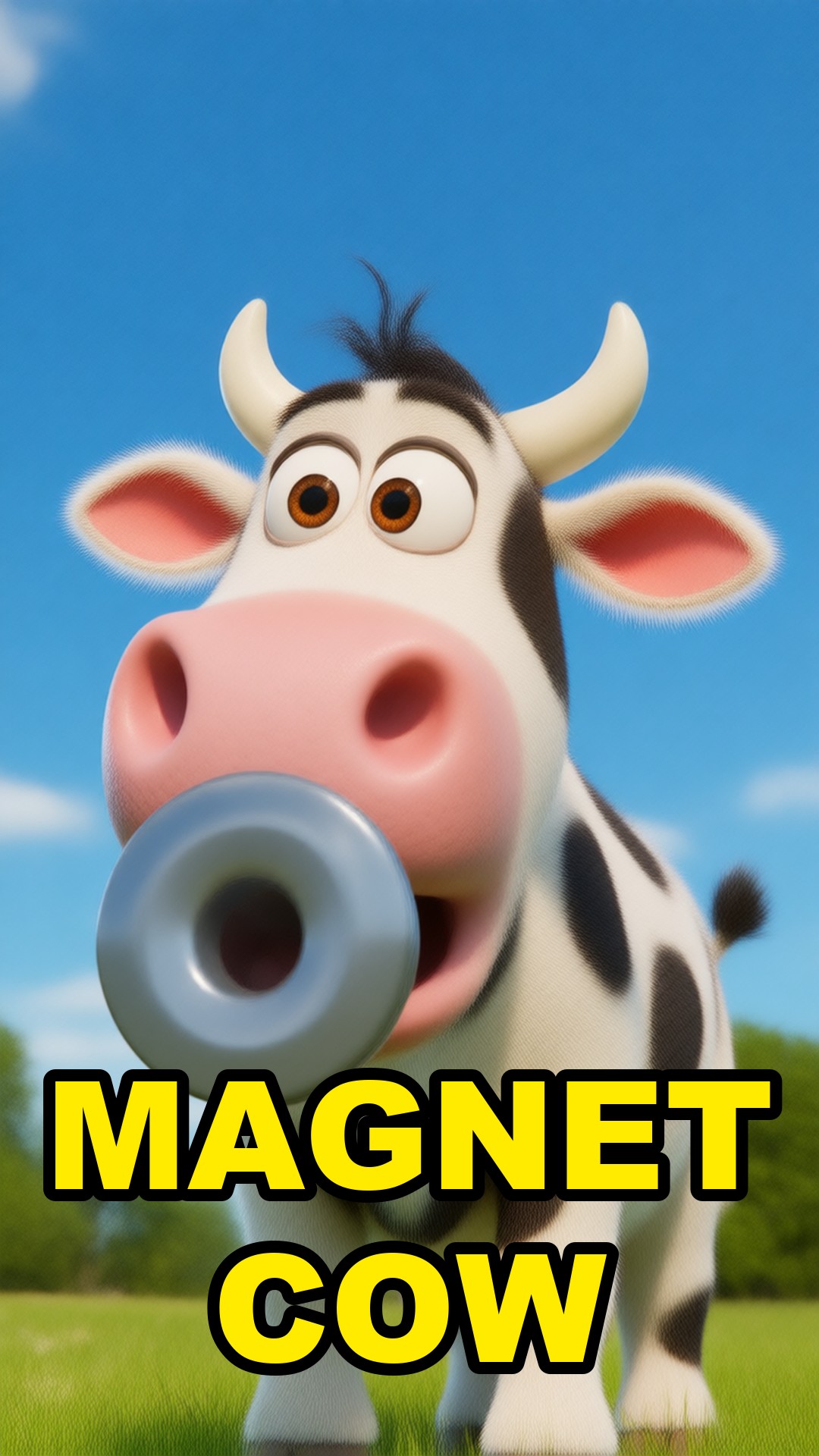
Some farmers give their cows a magnet to swallow on purpose.
 #22
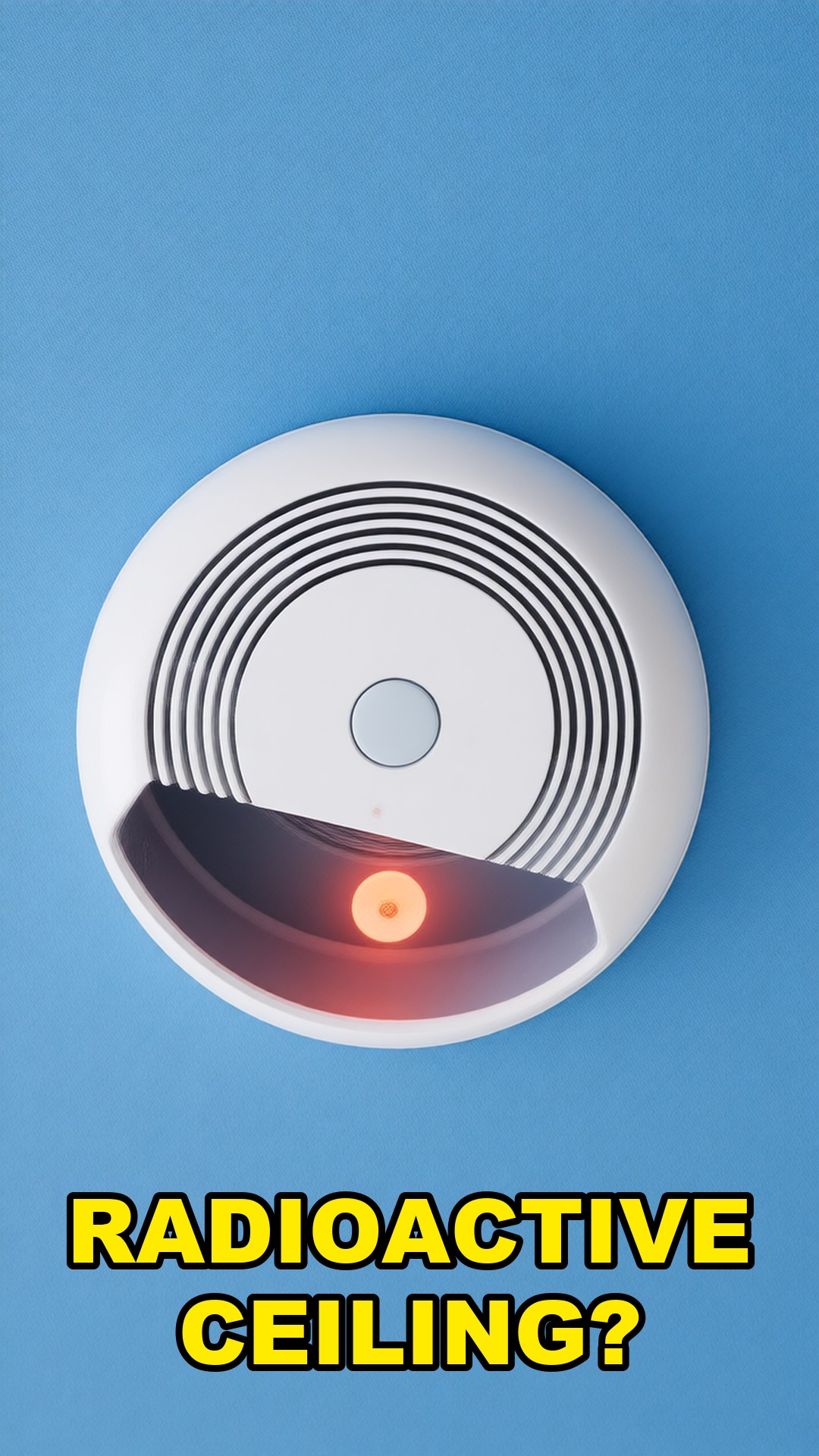
Many smoke alarms hold a tiny amount of radioactive americium.
 #21
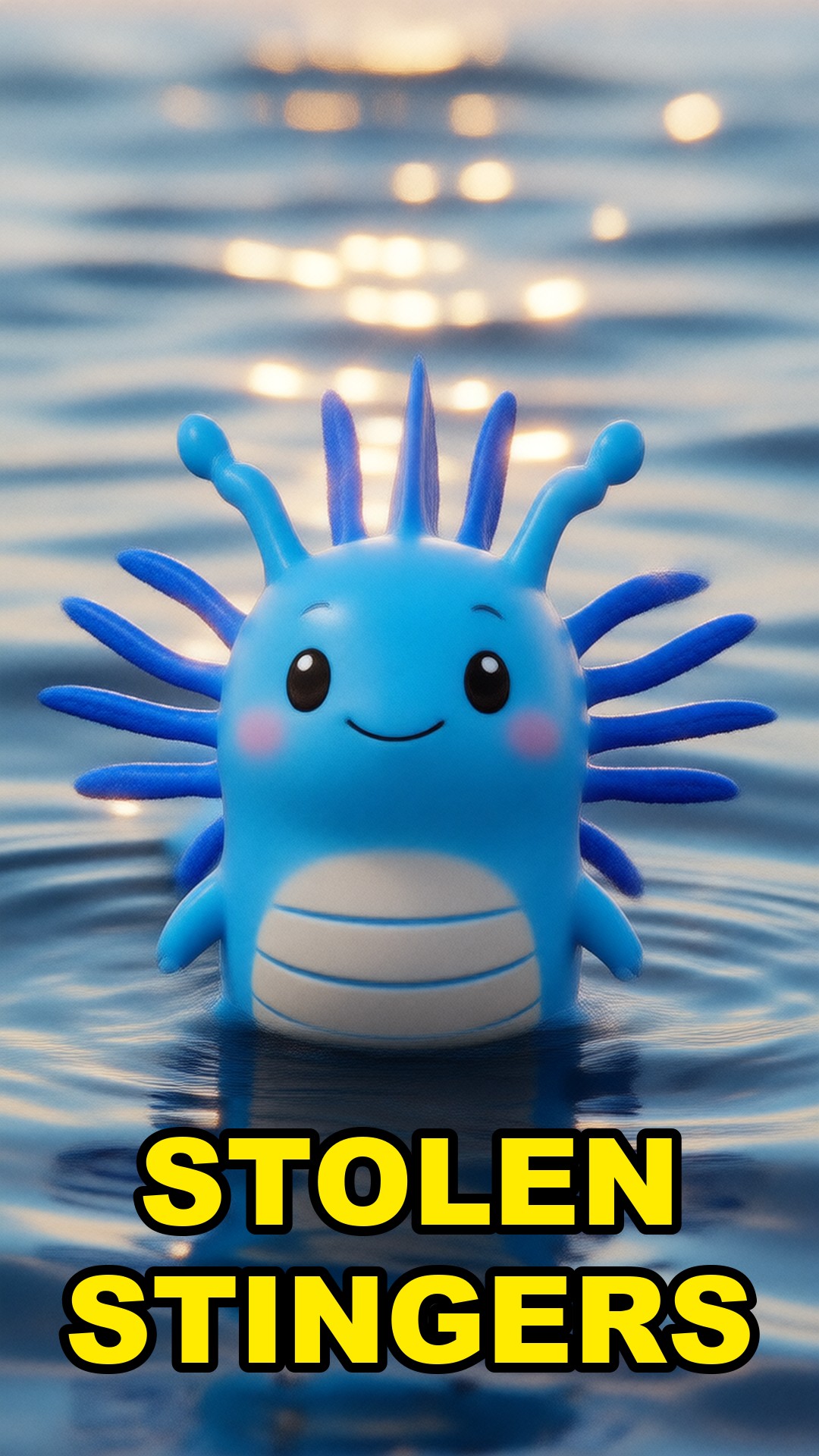
The blue dragon is a tiny sea slug that floats upside down on a swallowed air bubble and eats the tentacles of the Portuguese man o' war.
 #20
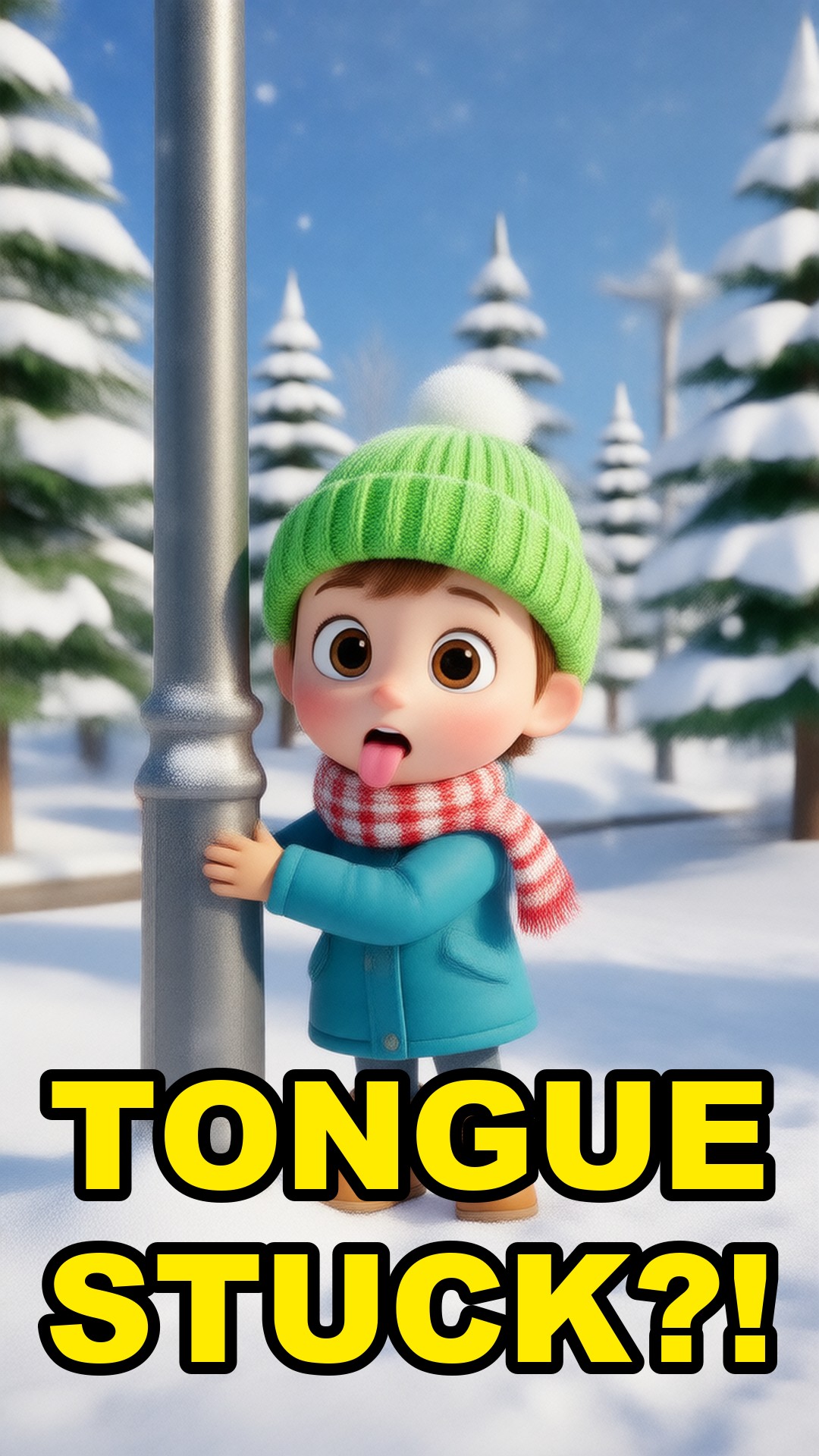
Licking frozen metal can leave your tongue stuck to it.
 #19
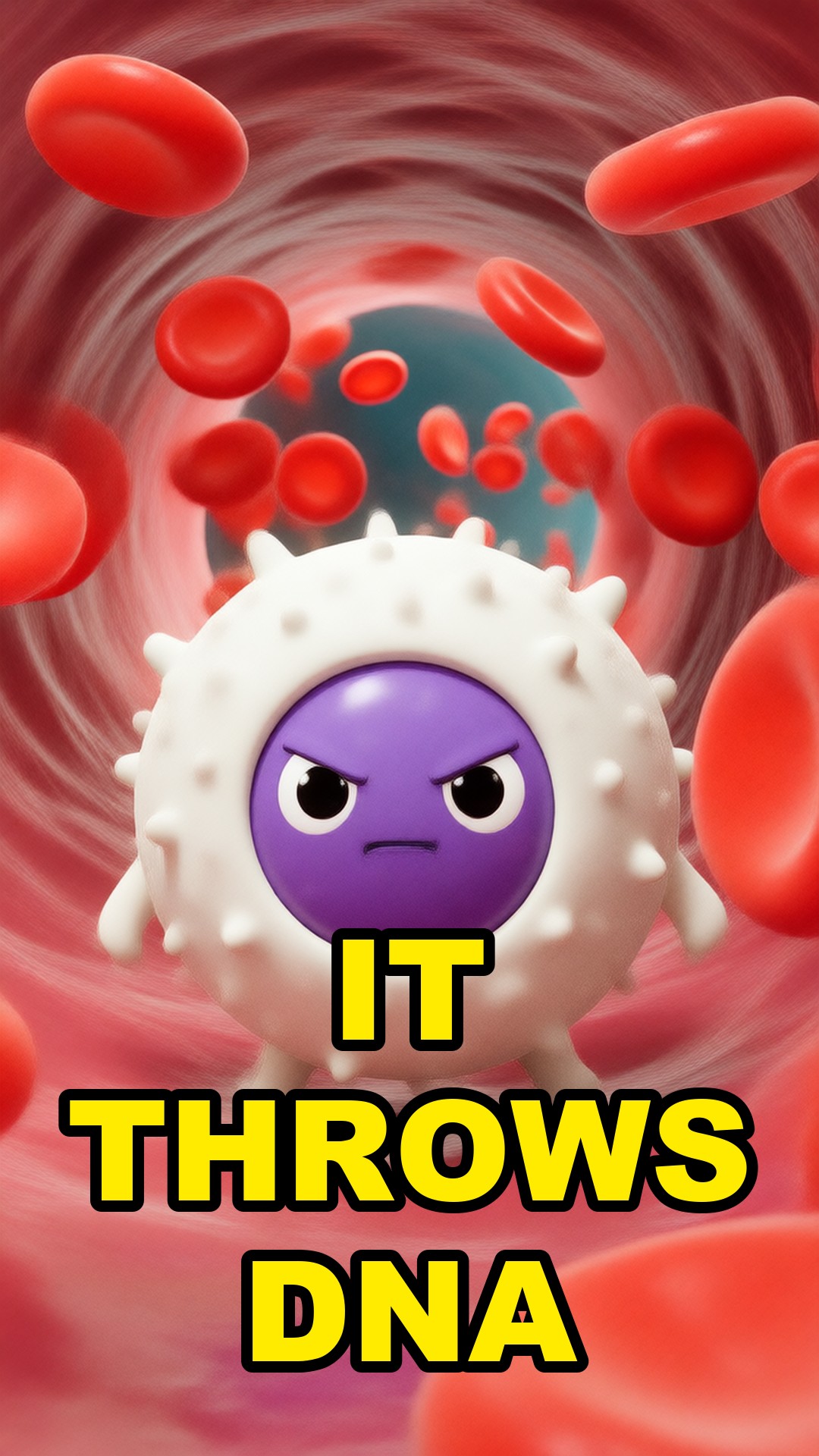
When a splinter lets bacteria into your skin, a white blood cell called a neutrophil follows a chemical alarm and squeezes out of your blood vessel to swallow them.
 #18
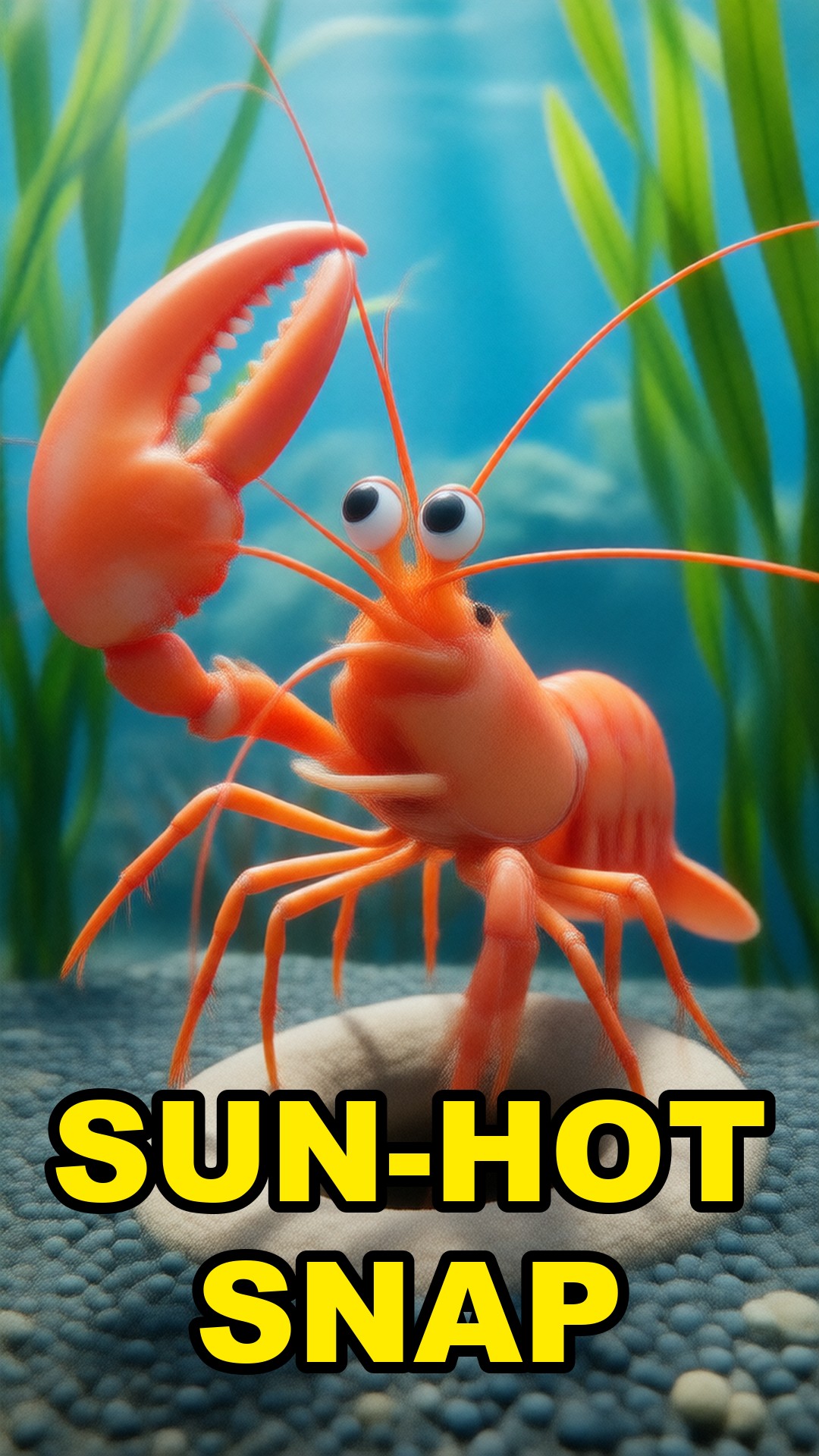
The pistol shrimp snaps its giant claw so fast that it shoots out a jet of water and tears open a bubble.
 #17
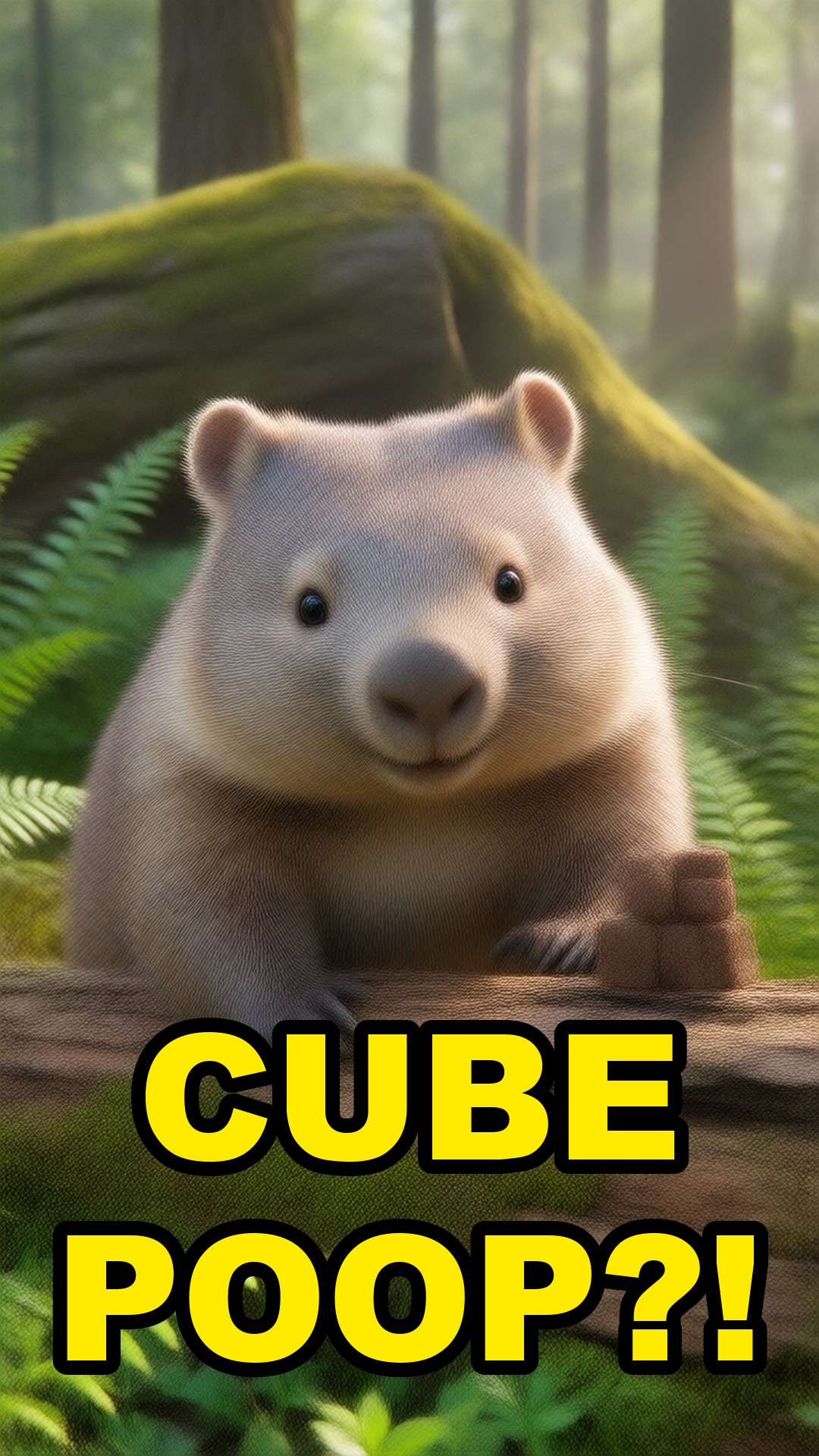
Wombats are the only animals known to make cube-shaped poop.
 #16
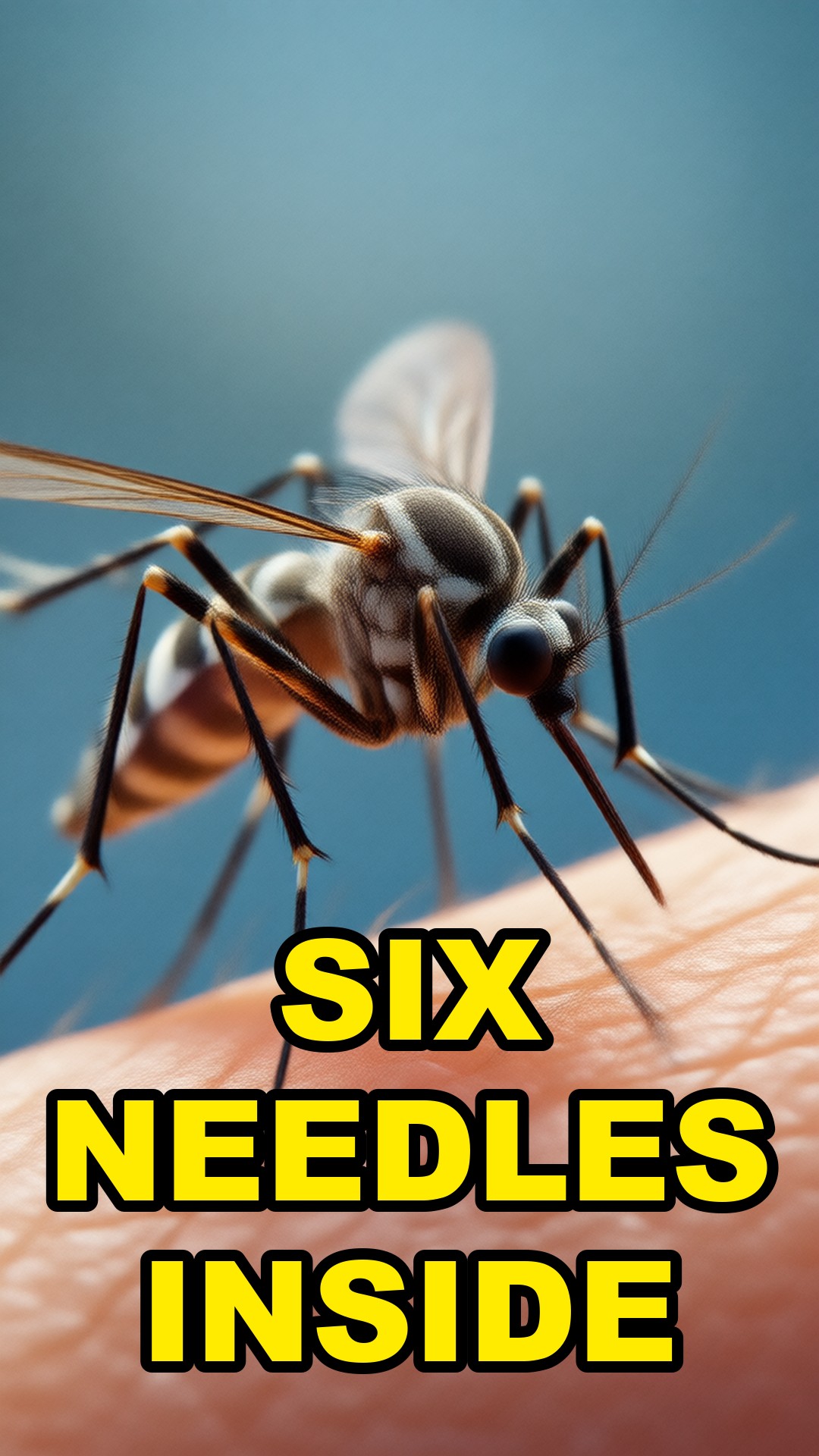
A mosquito's 'bite' is really six tiny needles working together.
 #15
A toad swallows a bombardier beetle whole, but the beetle carries its own chemical weapon.
 #14
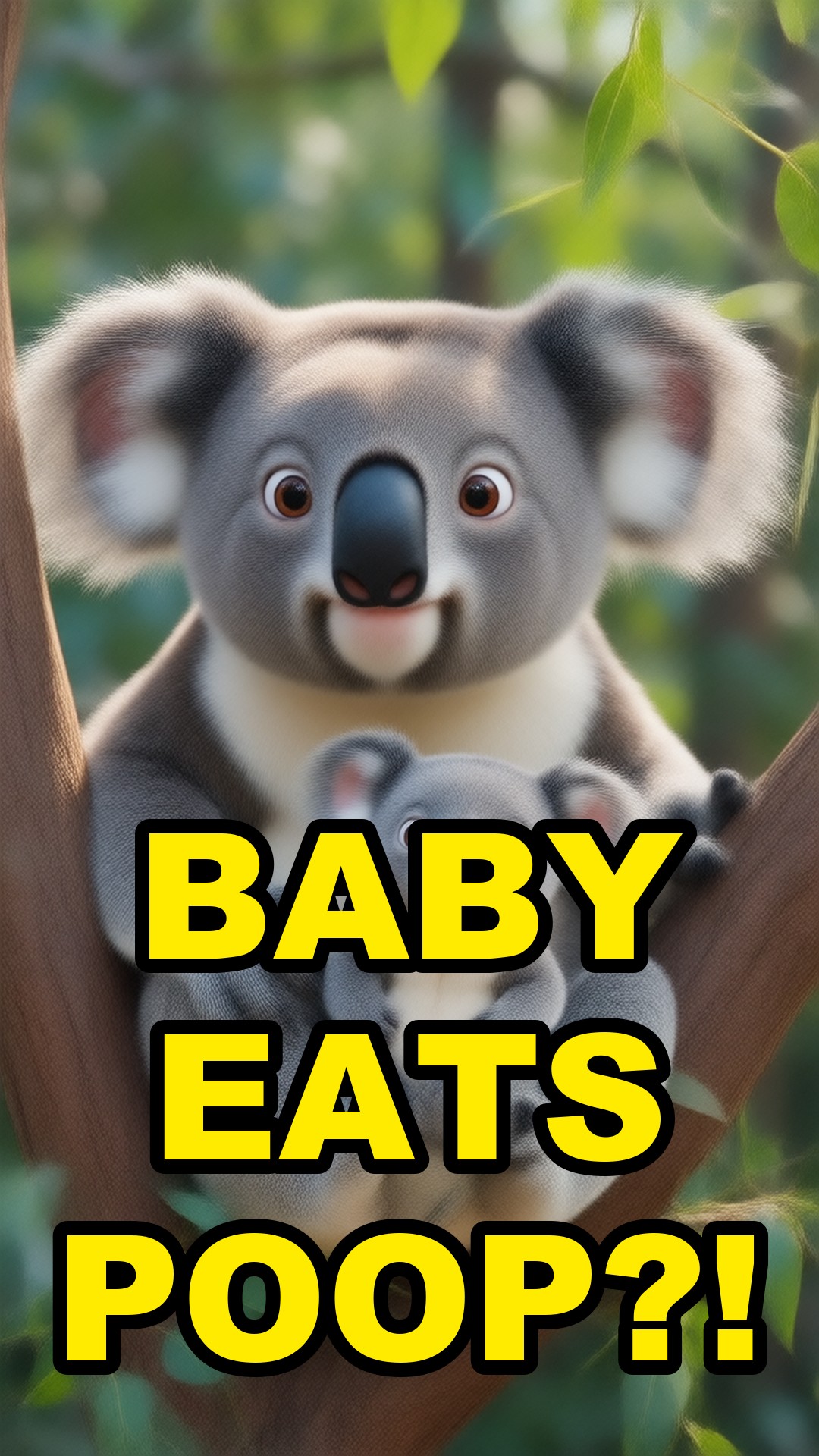
Eucalyptus leaves are tough and toxic to most animals, and a baby koala that has only drunk milk can't digest them.
 #13
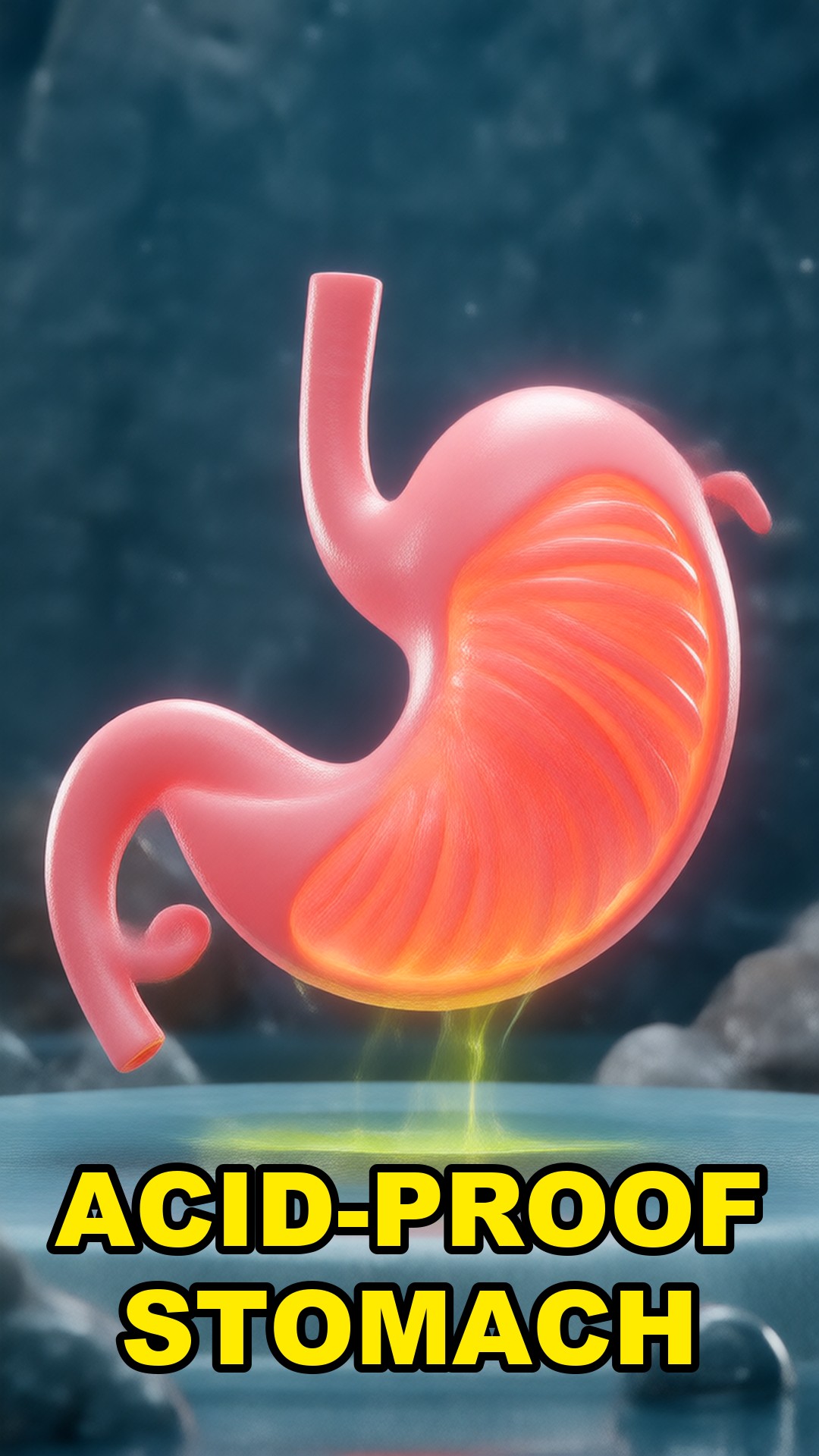
Your stomach is full of acid strong enough to help break down meat, so why doesn't it digest itself?
 #12
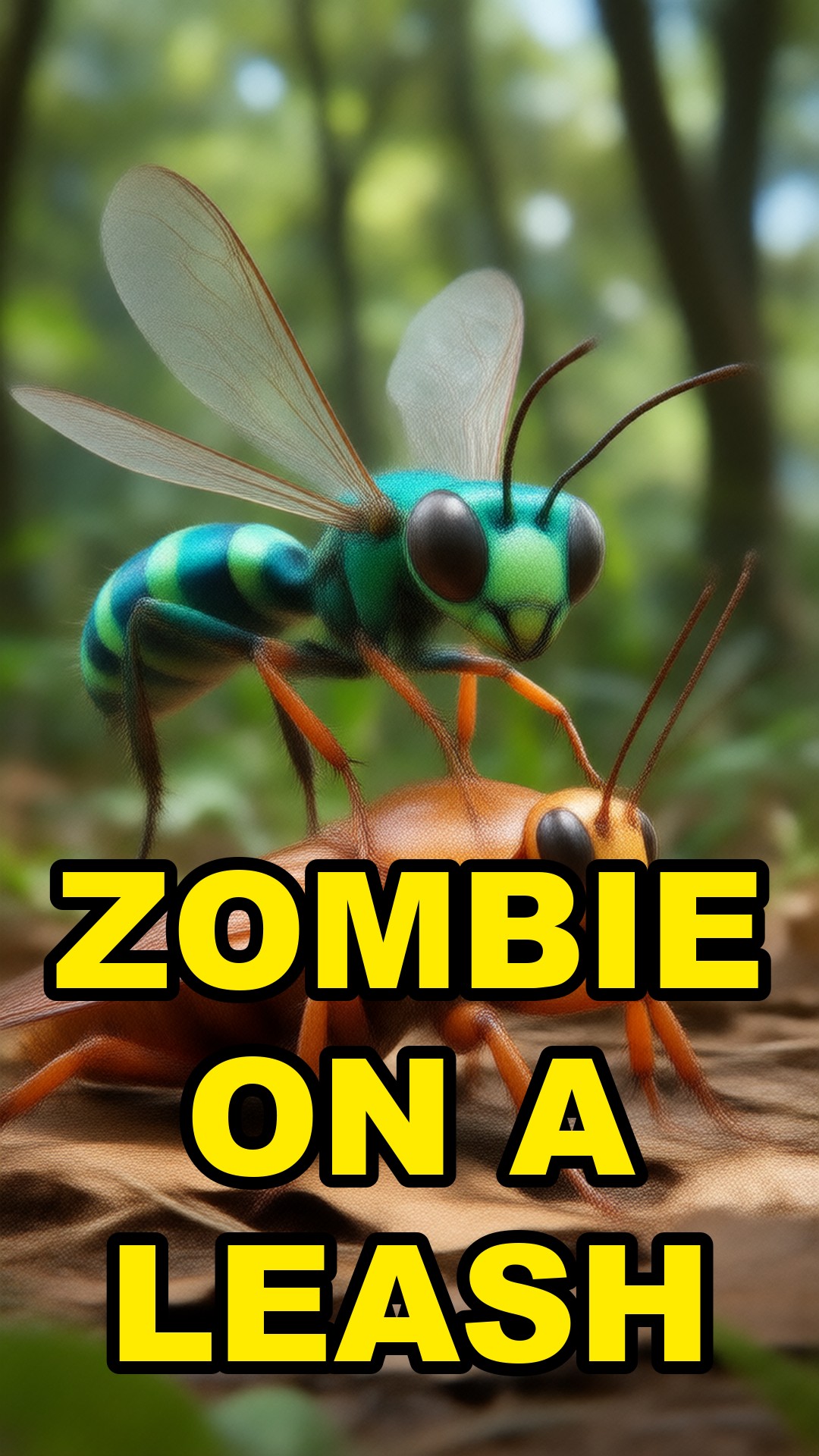
The jewel wasp stings a cockroach twice: once to freeze its legs and once into its brain.
 #11
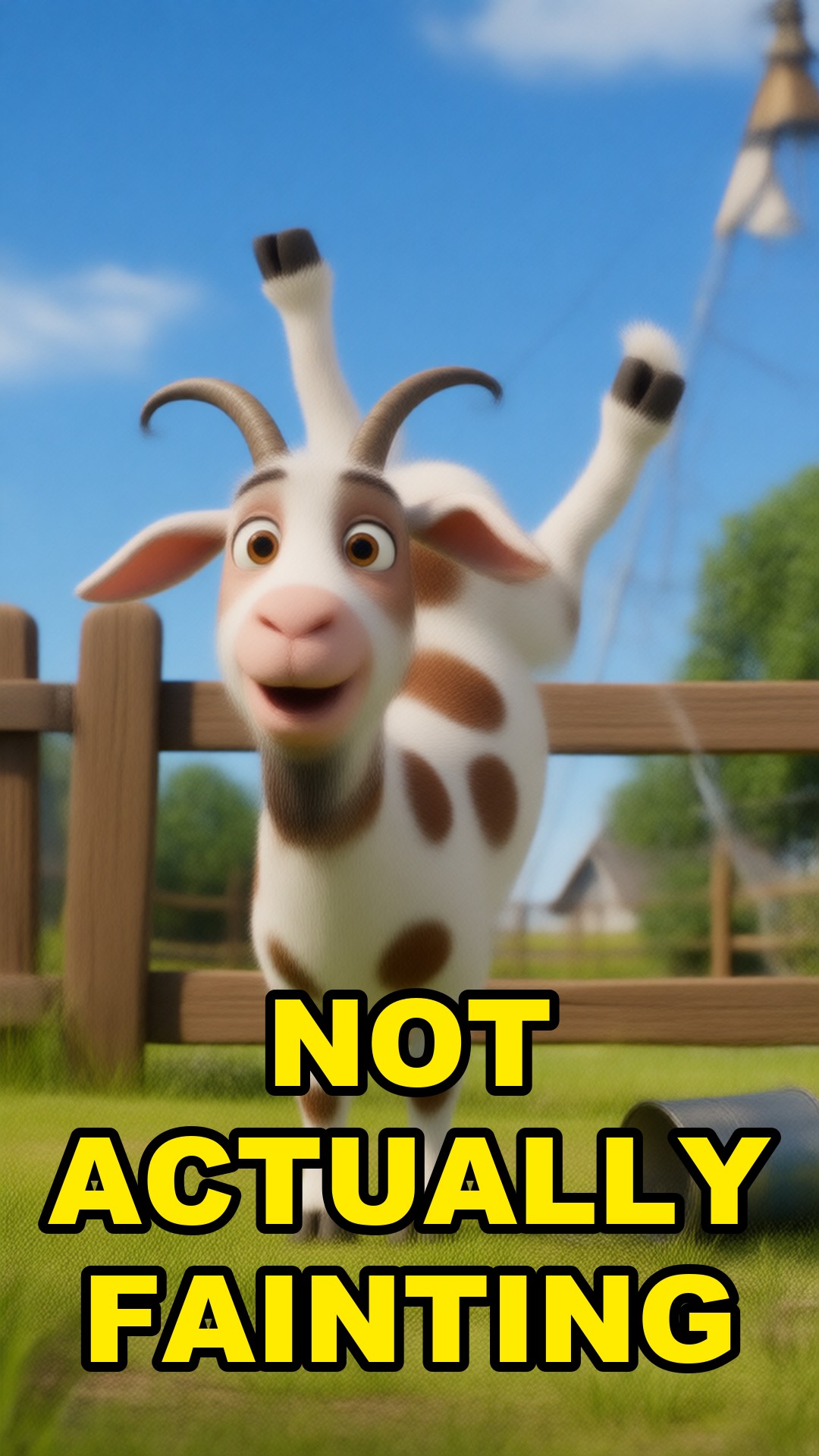
Scare a myotonic goat and it tips over like a statue.
 #10
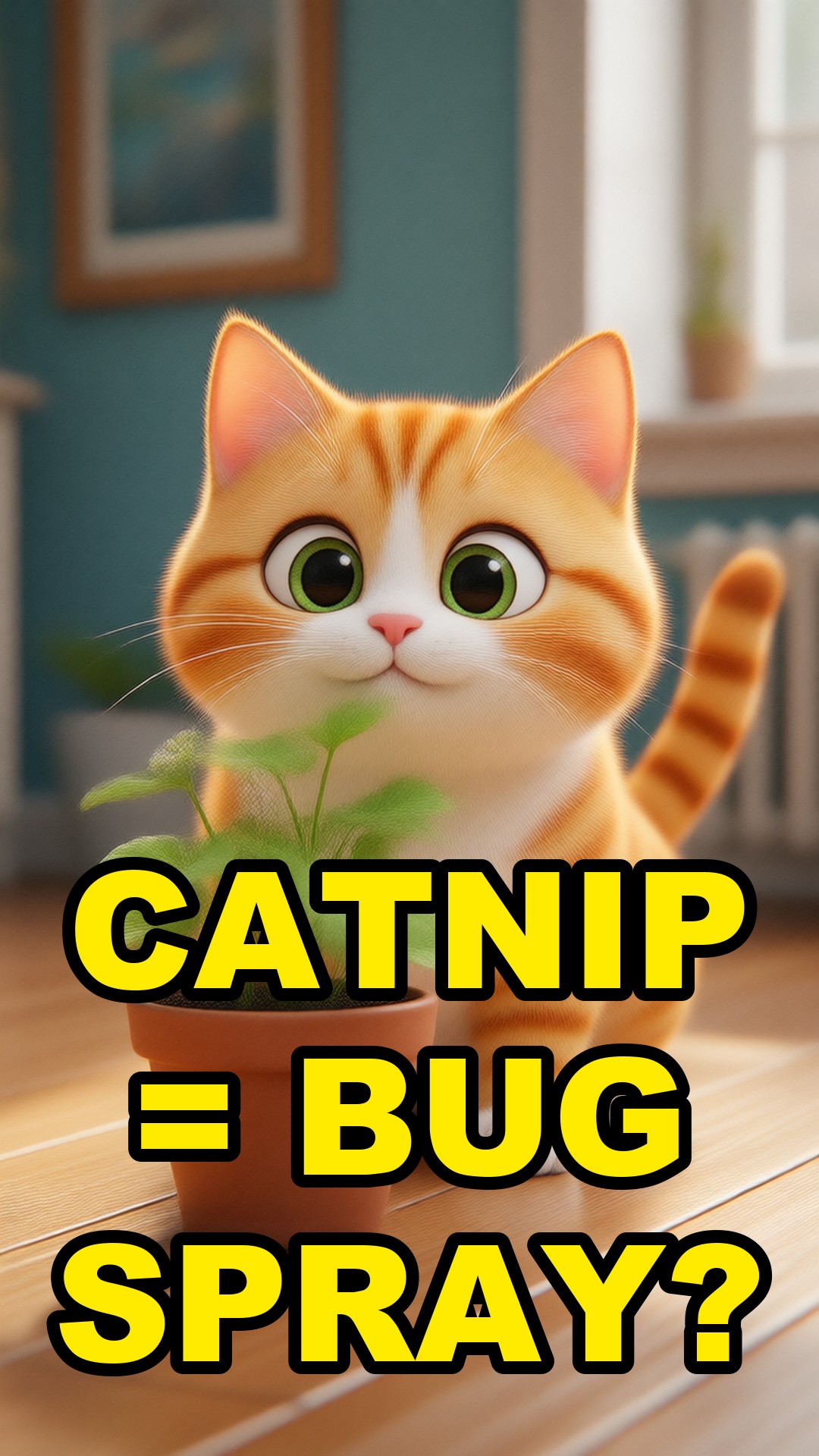
When a cat sniffs catnip, a chemical called nepetalactone reaches scent sensors in its nose, and its brain releases feel-good chemicals.
 #9
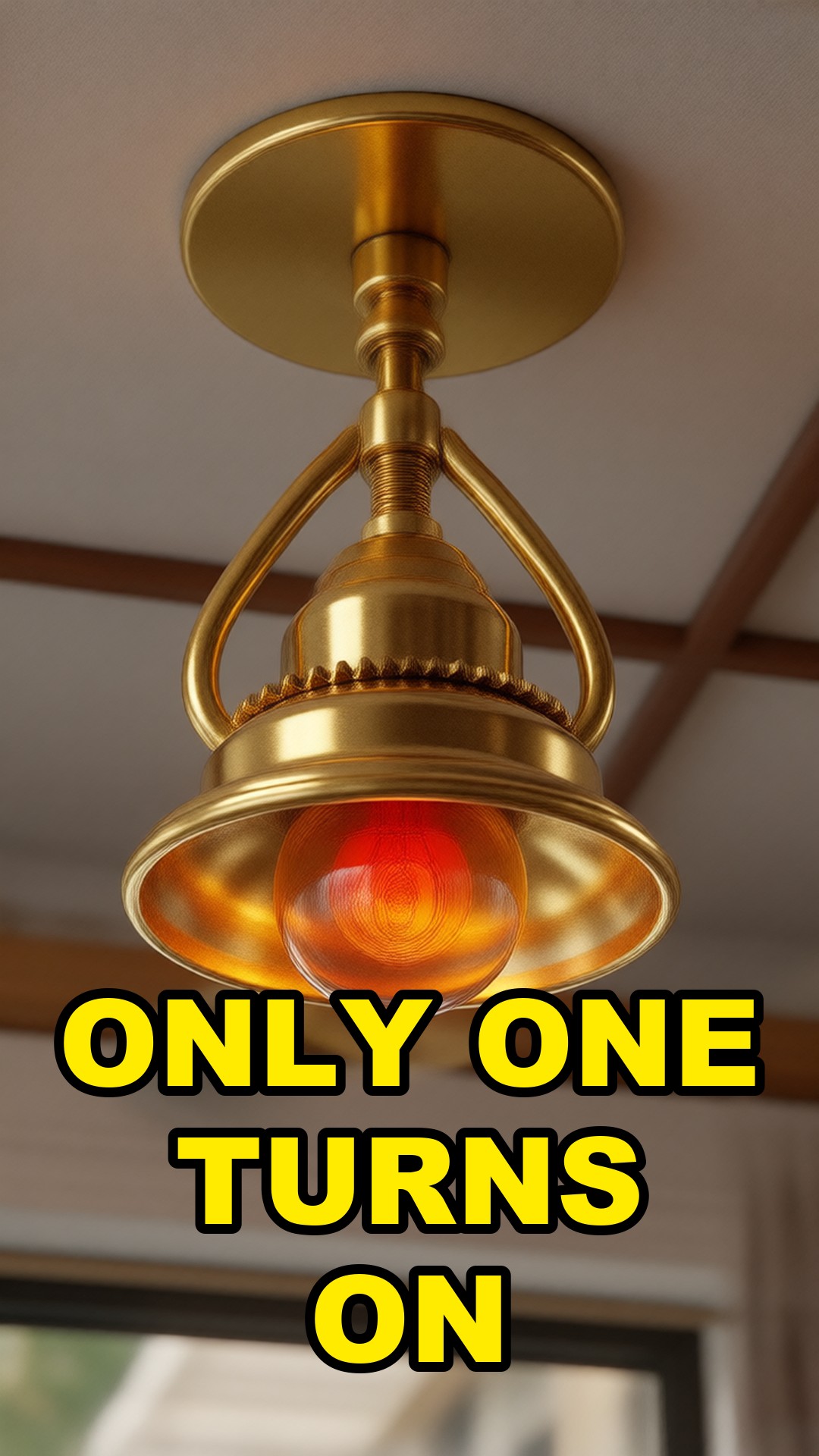
That little red glass bulb in a ceiling sprinkler works as a heat fuse.
 #8
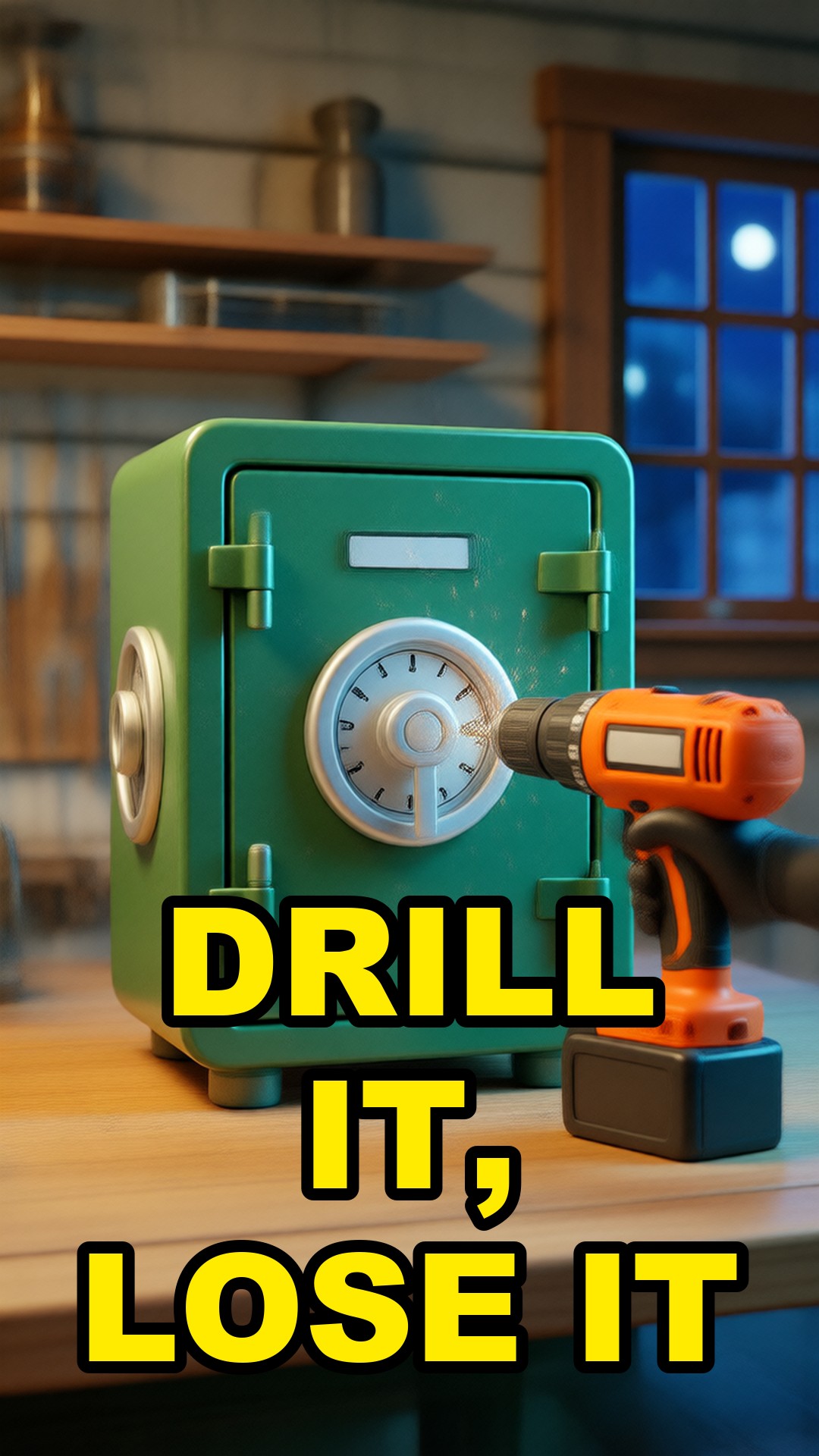
Many safes hide a thin glass plate behind the lock that holds spring-loaded steel bolts back.
 #7
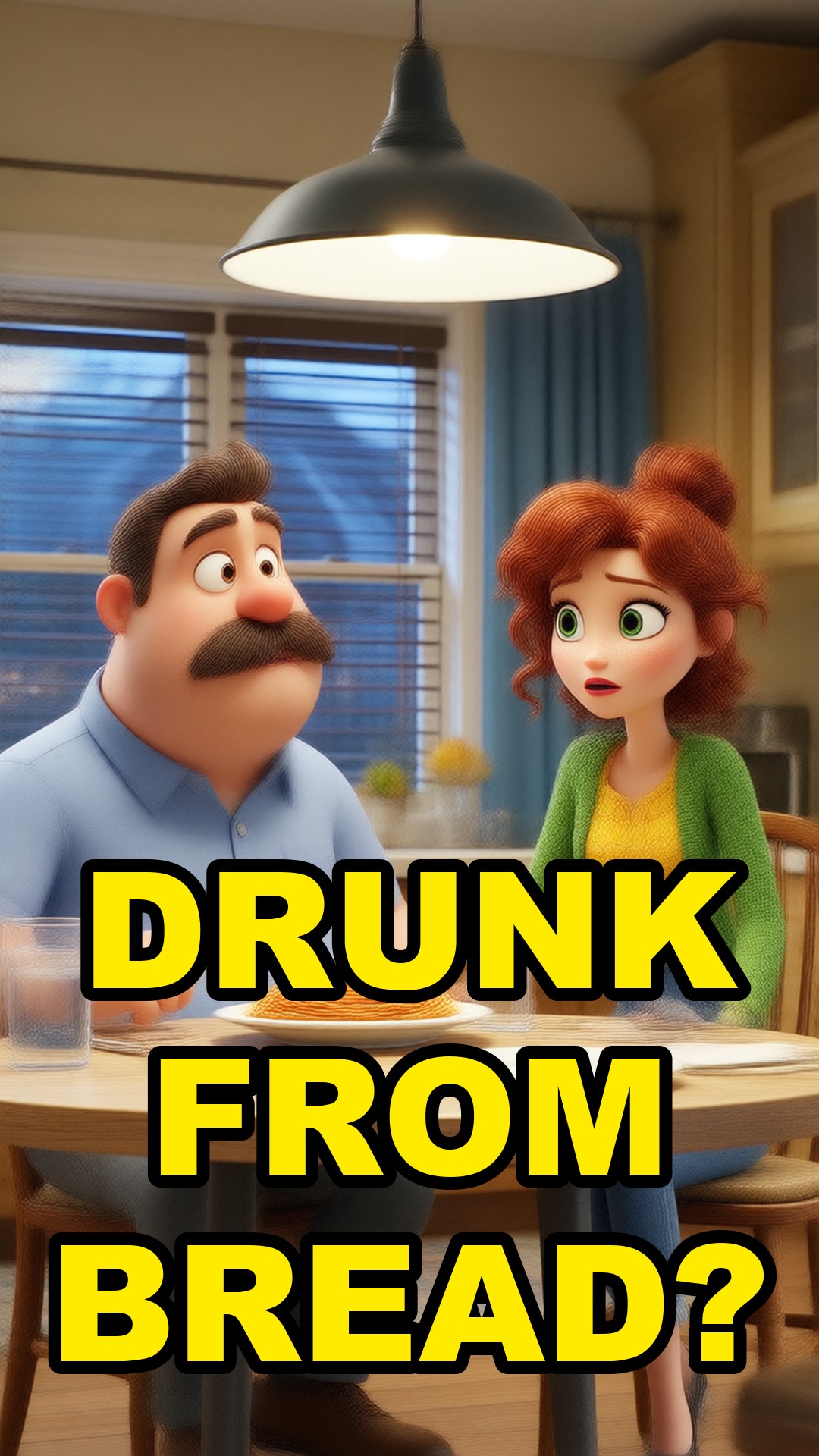
This man kept getting drunk without drinking any alcohol.
 #6
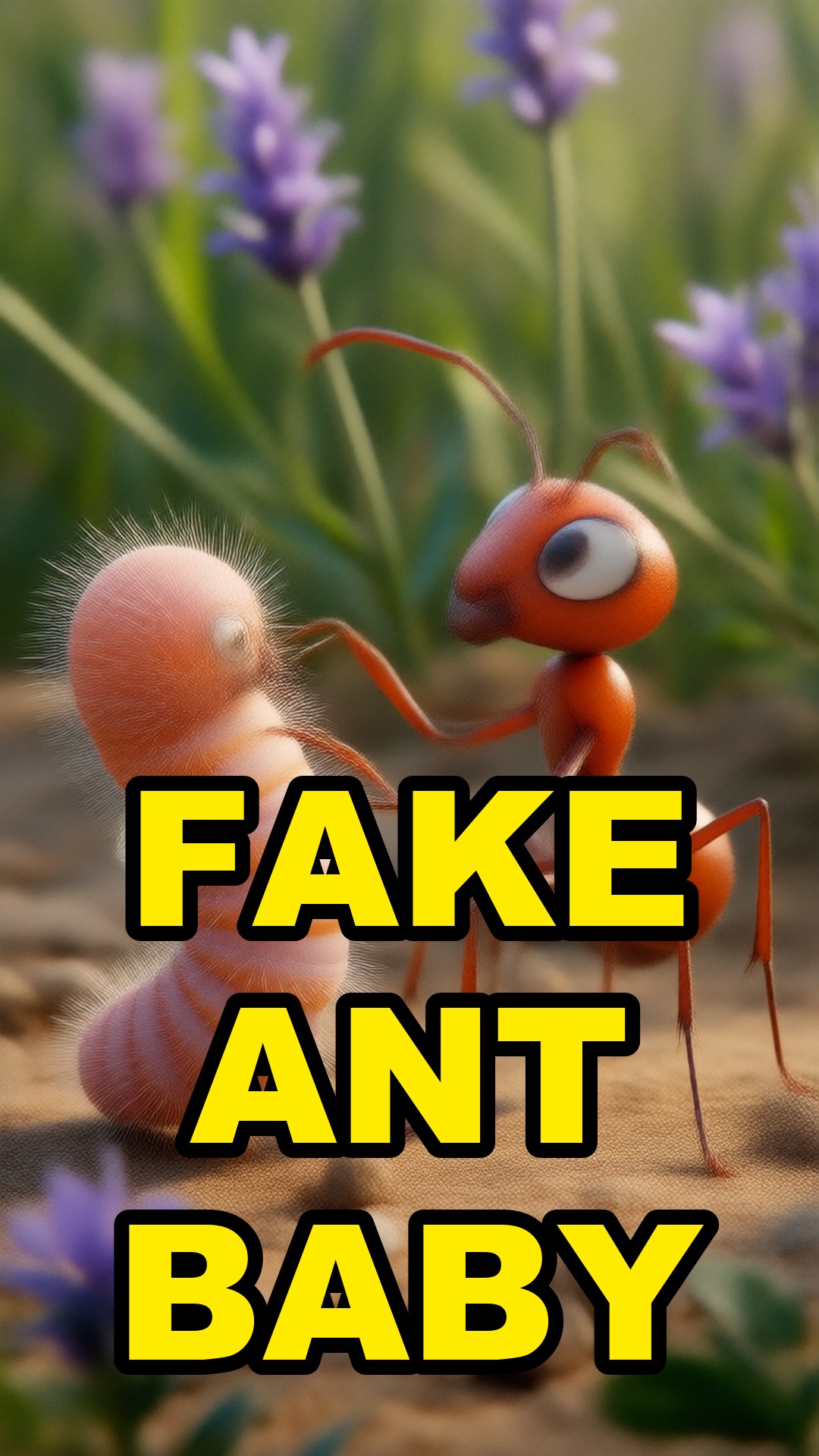
The large blue butterfly starts life as a caterpillar on wild thyme.
 #5
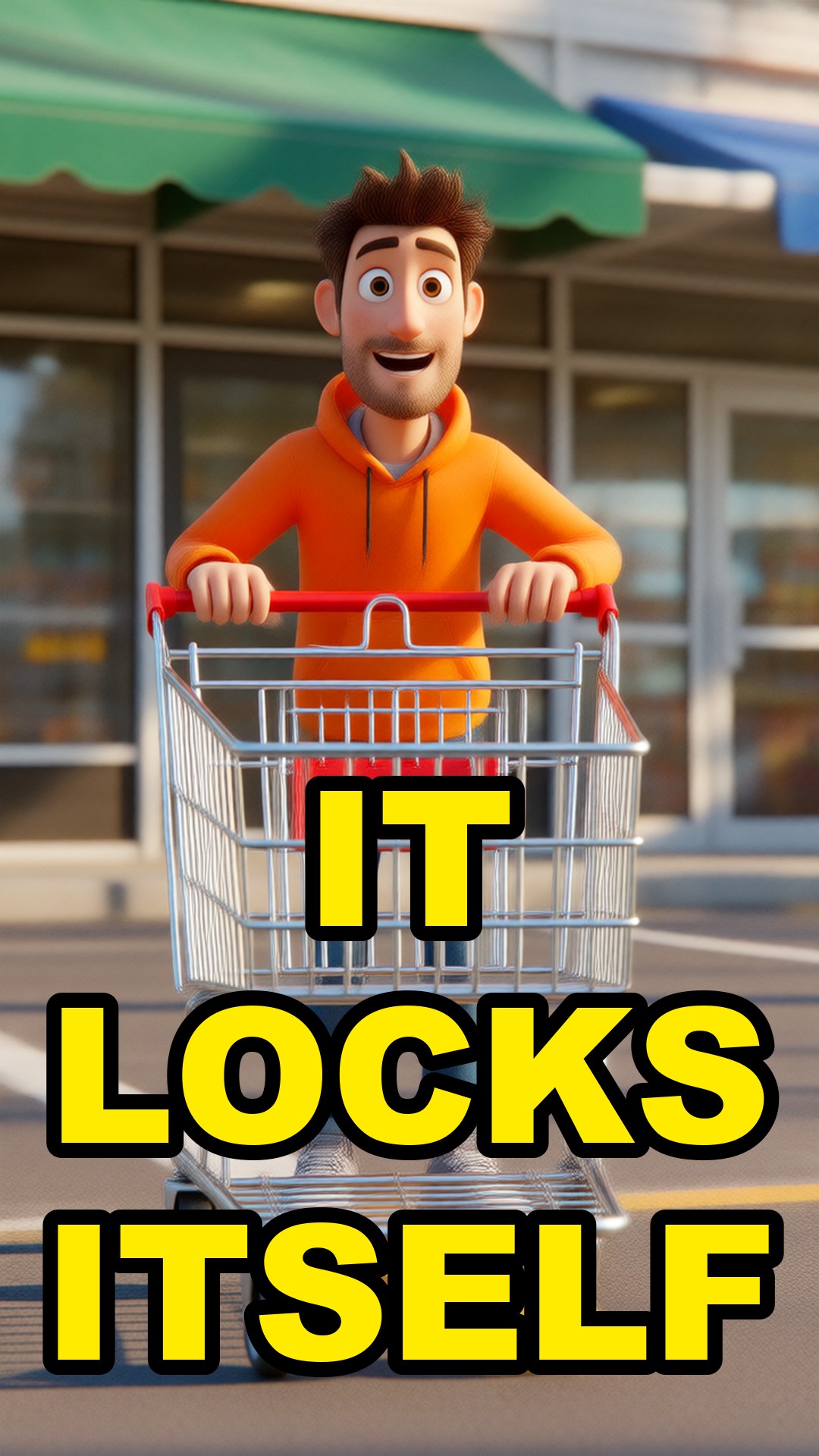
Some shopping carts have a hidden brake in one wheel.
 #4
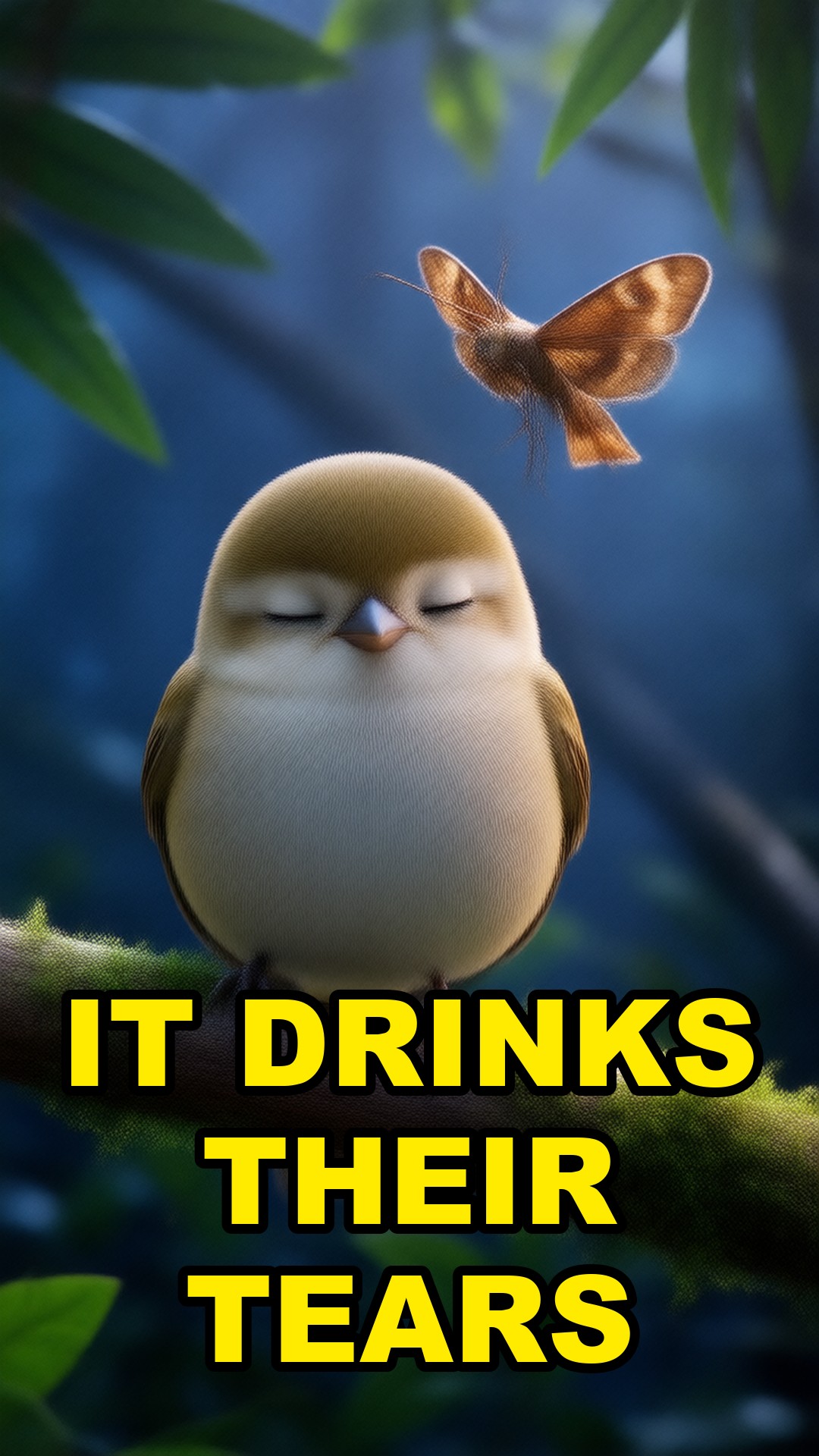
In the forests of Madagascar, one moth feeds on something stranger than nectar.
 #3
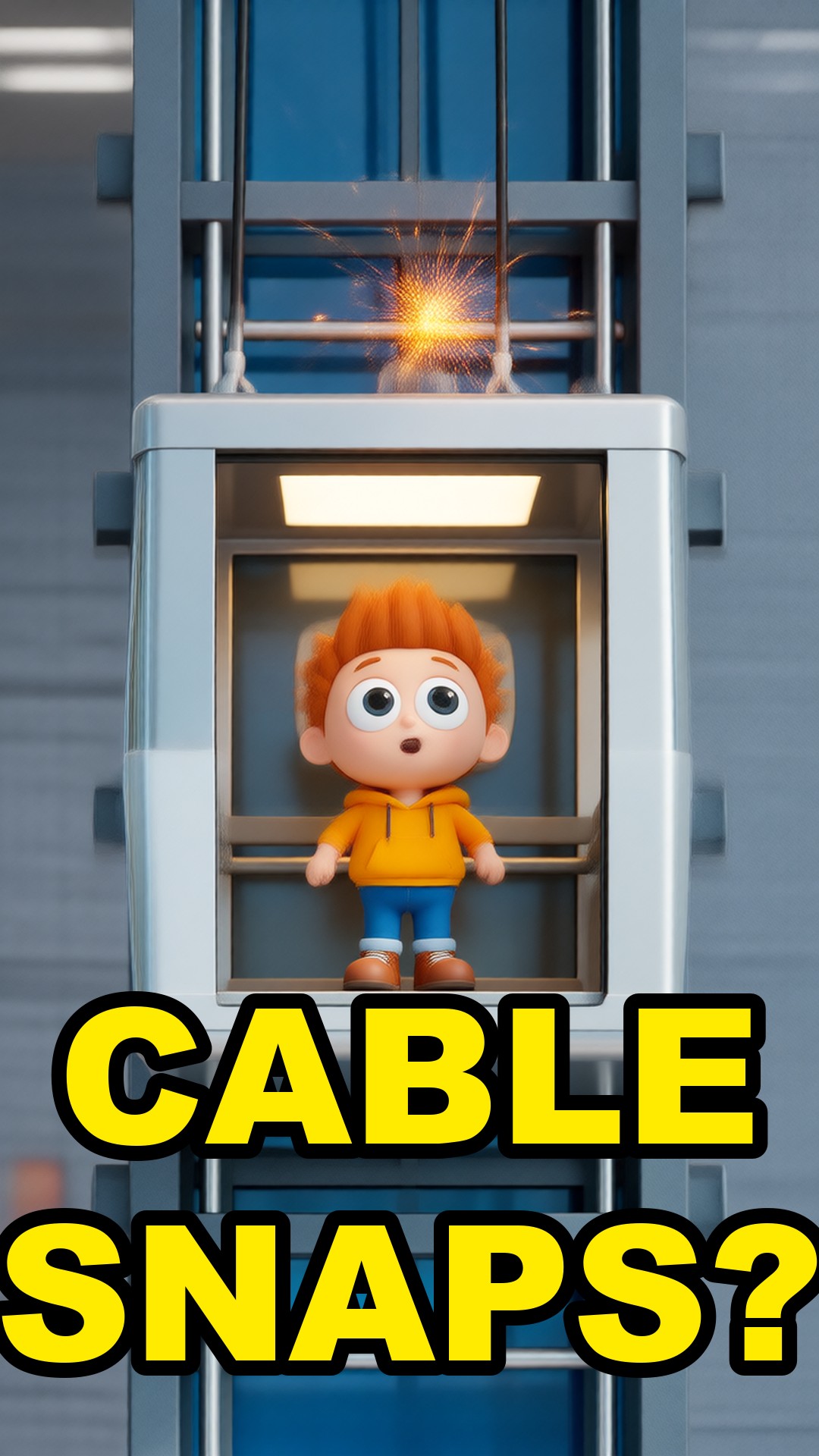
Almost everyone has wondered what happens if an elevator's cable snaps.
 #2
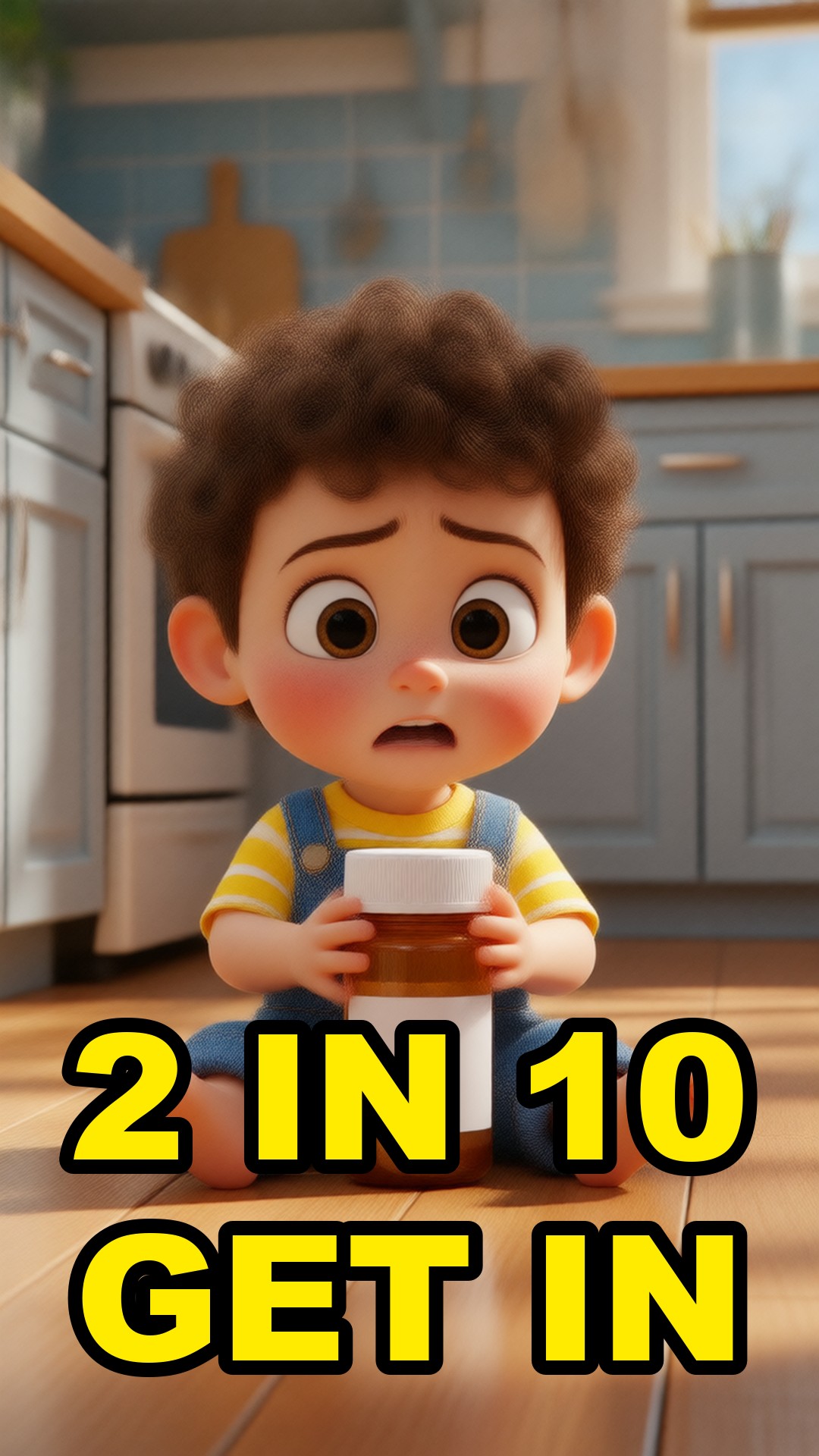
Child-resistant medicine caps hide a two-part lock that only opens when you push down and turn at the same time.
 #1
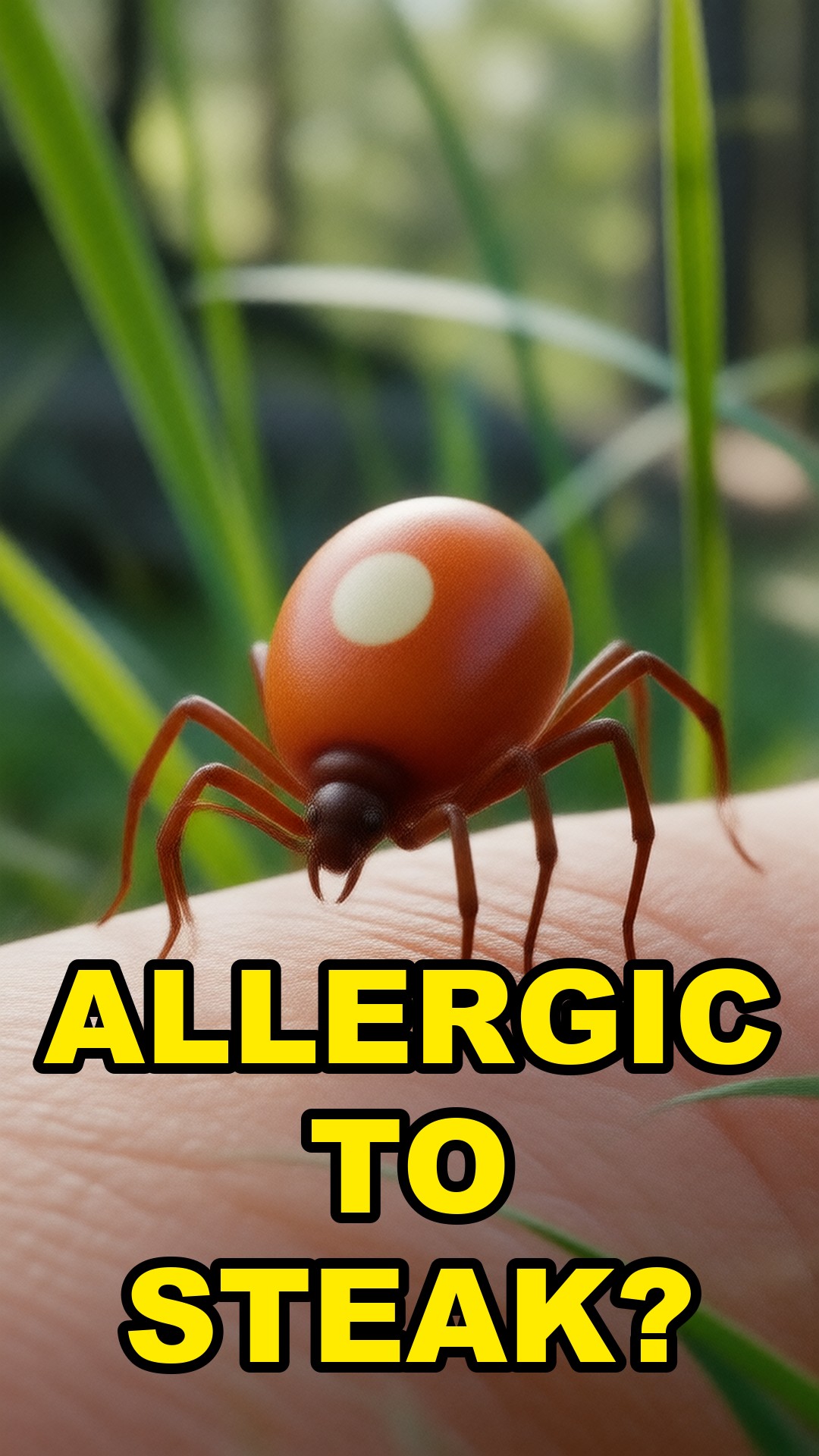
Some tick bites can leave something behind: an immune reaction to alpha-gal, a sugar found in beef, pork and lamb.
63 videos · Newest first. Prefer a plain list? See the full archive.