 Wild Insides
 #1
#1Human body
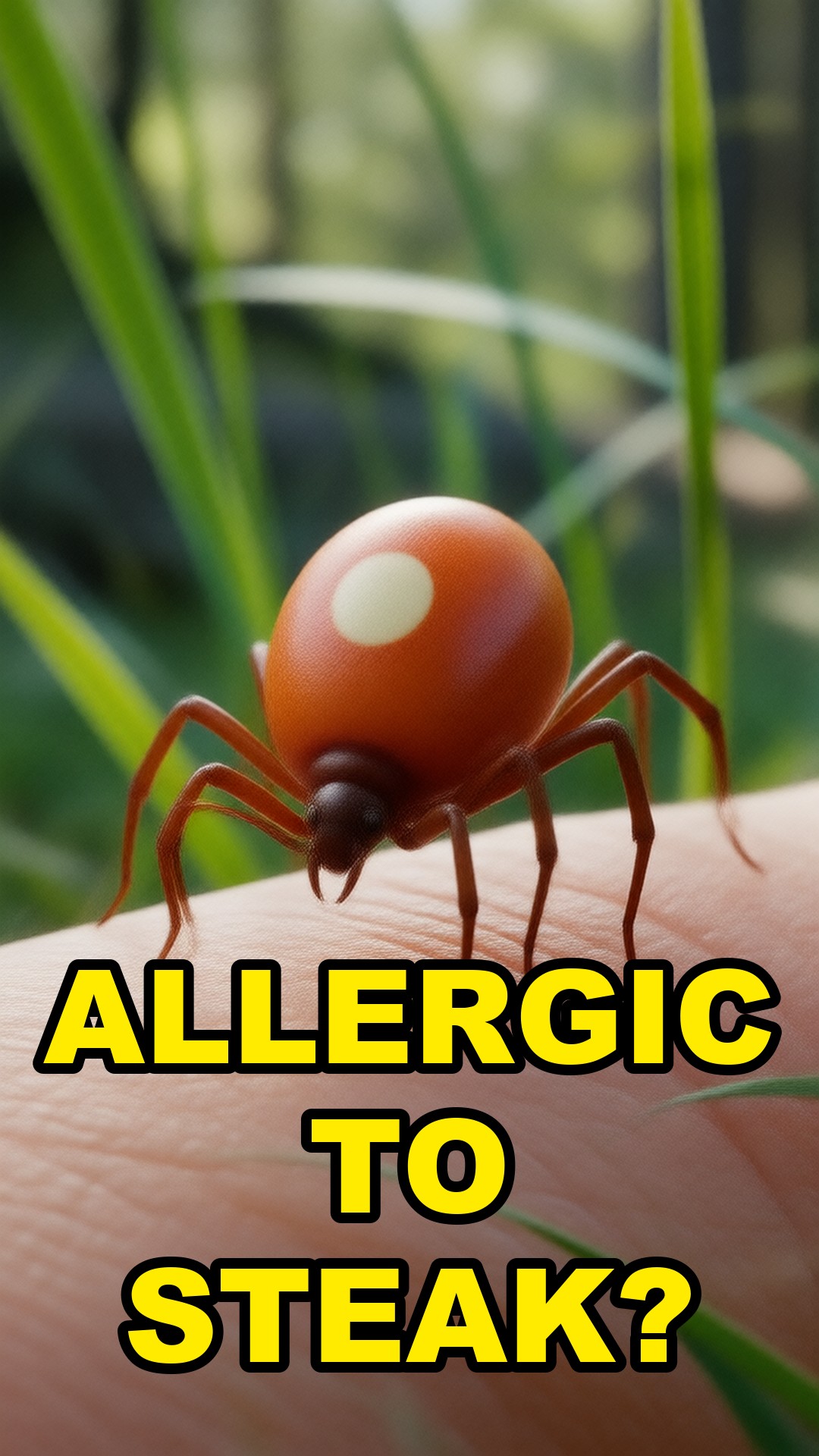
One Tick Bite Can Make You Allergic To Steak
Some tick bites can leave something behind: an immune reaction to alpha-gal, a sugar found in beef, pork and lamb.
Short. Strange. True.The real science
stomach acid · how the stomach works · human body facts · digestion · stomach lining · mucus barrier
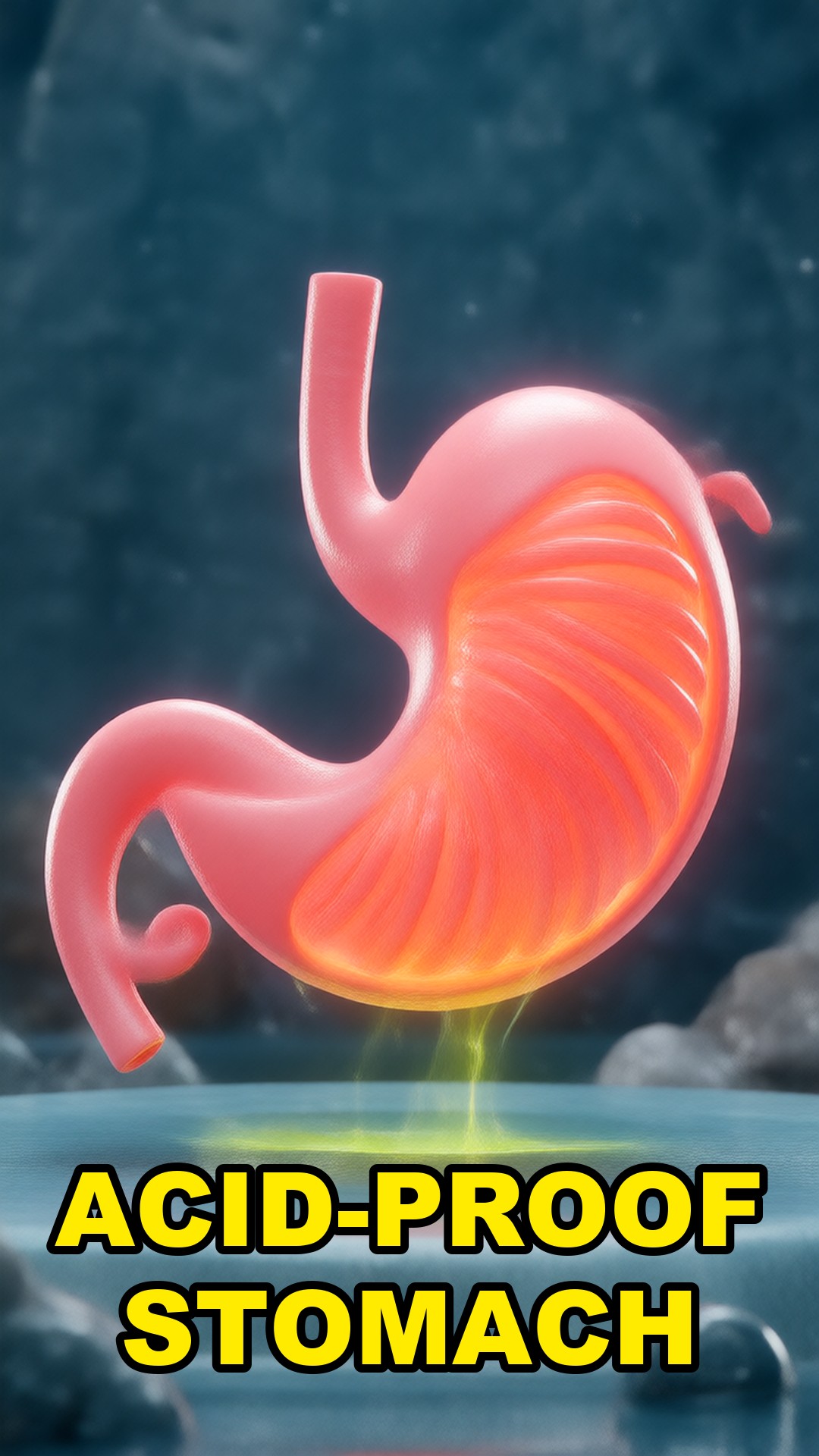
Your stomach mixes food with acid and digestive enzymes, yet its lining usually survives this hostile environment. The secret is not acid-proof flesh. It is a layered defence. Cells at the stomach’s surface produce mucus, which forms a protective coating. Bicarbonate within that coating helps neutralise acid near the cells, keeping conditions there much gentler than in the stomach’s main cavity. Tight connections between neighbouring cells also help prevent acid from slipping through. A good blood supply supports the tissue, and repair processes replace damaged cells. These systems work together; mucus alone is not an invincible shield. If the protective barrier is disrupted, inflammation or ulcers can occur. The bacterium Helicobacter pylori and certain medicines are important causes of stomach ulcers. This cartoon is a simplified explanation of normal digestion, not a guide to diagnosing pain or treating disease. For ongoing symptoms, seek advice from a qualified healthcare professional rather than a cartoon stomach.
Don’t try anything shown in this video.
Curious about something in “Why Your Stomach Doesn't Digest Itself”? Our AI-powered helper answers using only this page’s write-up and sources.
AI answers can be wrong; check the sources. Not medical advice.
Our illustrations simplify anatomy and scale. Educational content only; not medical advice.
Watch this on TikTok#1Some tick bites can leave something behind: an immune reaction to alpha-gal, a sugar found in beef, pork and lamb.
 #
#A coin battery has no sharp edges, but if it gets stuck in the esophagus, wet tissue completes its circuit.
 #
#Pull a seatbelt slowly and it glides out, but yank it and it locks right away.