 Wild Insides
 #
#Animals
The Songbird That Skewers Its Prey On Thorns
The shrike looks like a harmless little grey songbird, but its feet are too weak to hold prey.
Short. Strange. True.The real science
Small cut-aways of a very strange world. Pick a topic and follow the science.
#The shrike looks like a harmless little grey songbird, but its feet are too weak to hold prey.
 #
#The tongue-eating louse is a tiny ocean parasite that slips into a fish through its gills and clamps onto the tongue.
 #45
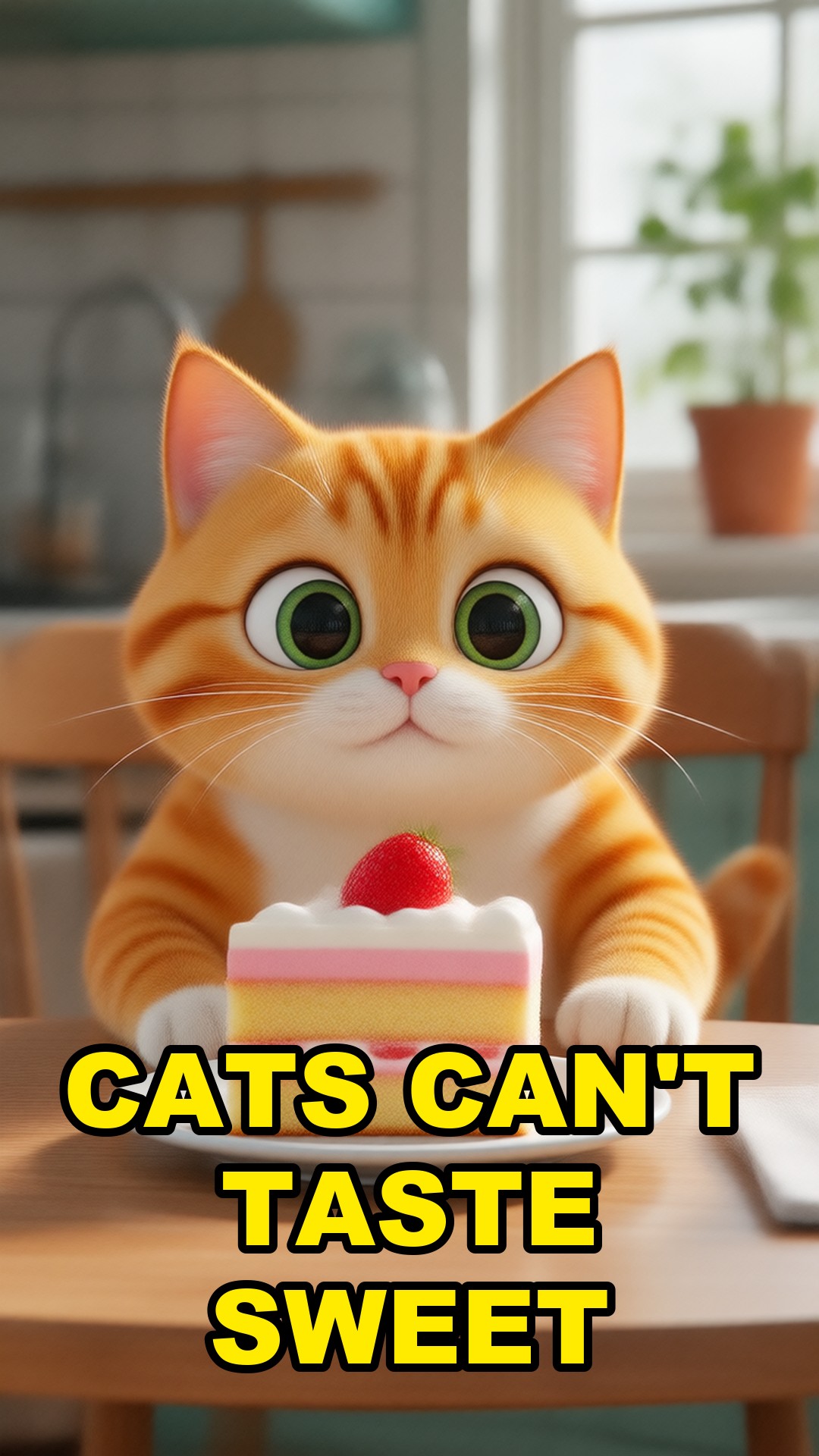
#45Cats can't taste sweetness.
 #43
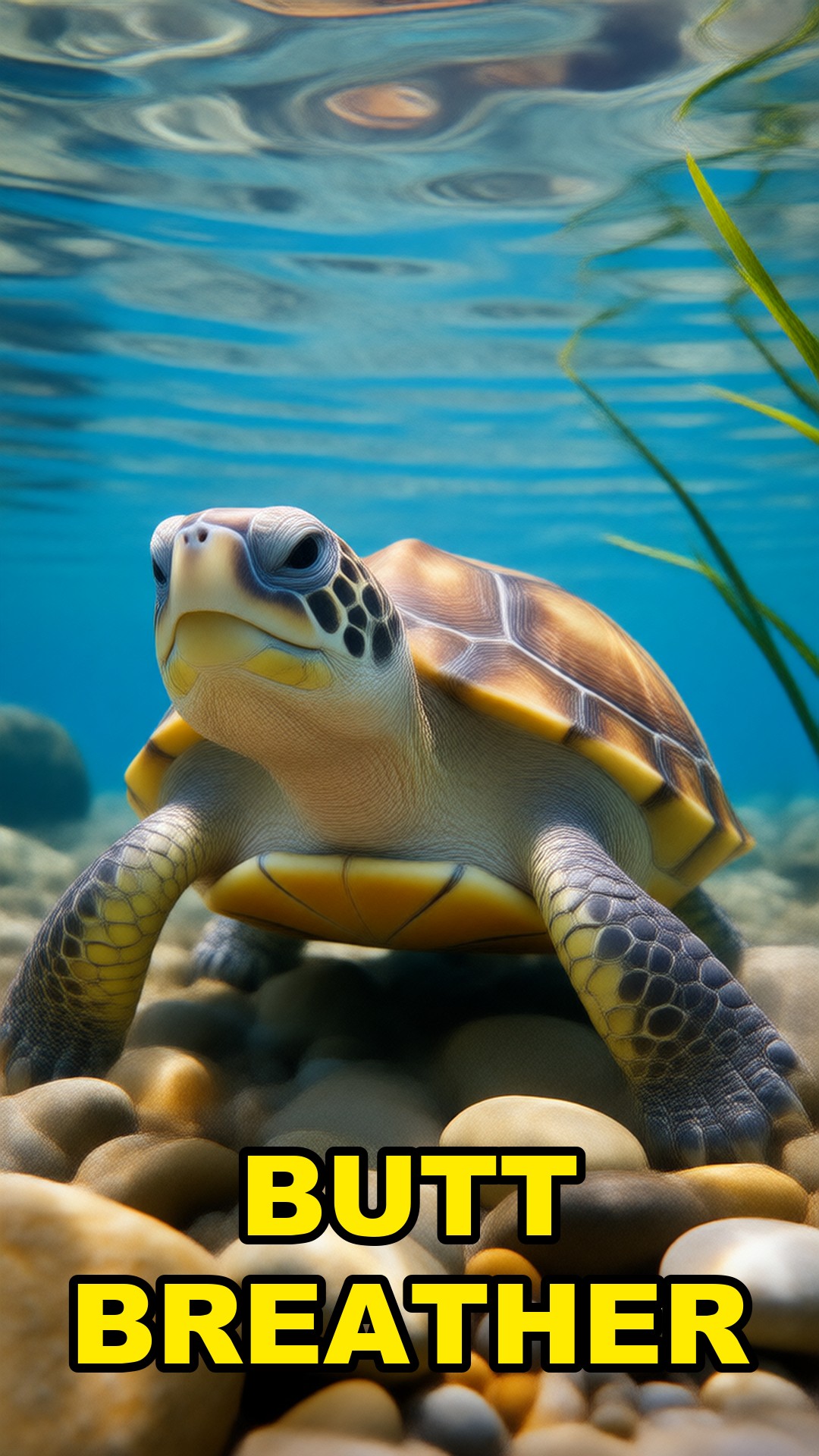
#43The Fitzroy River turtle in Australia pumps water in and out of its rear end.
 #41
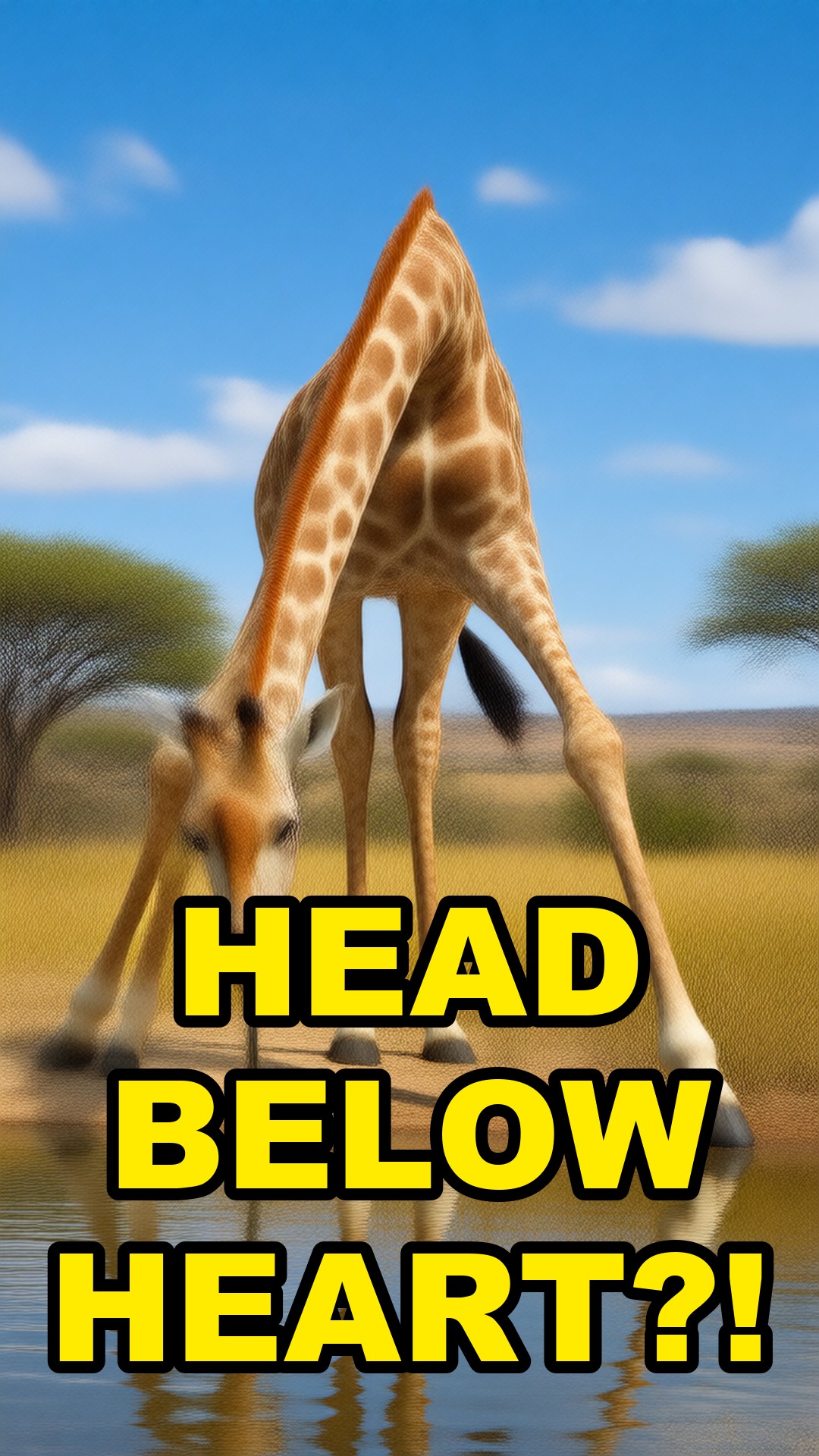
#41When a giraffe drinks, its head drops from about two metres above its heart to below it.
 #40
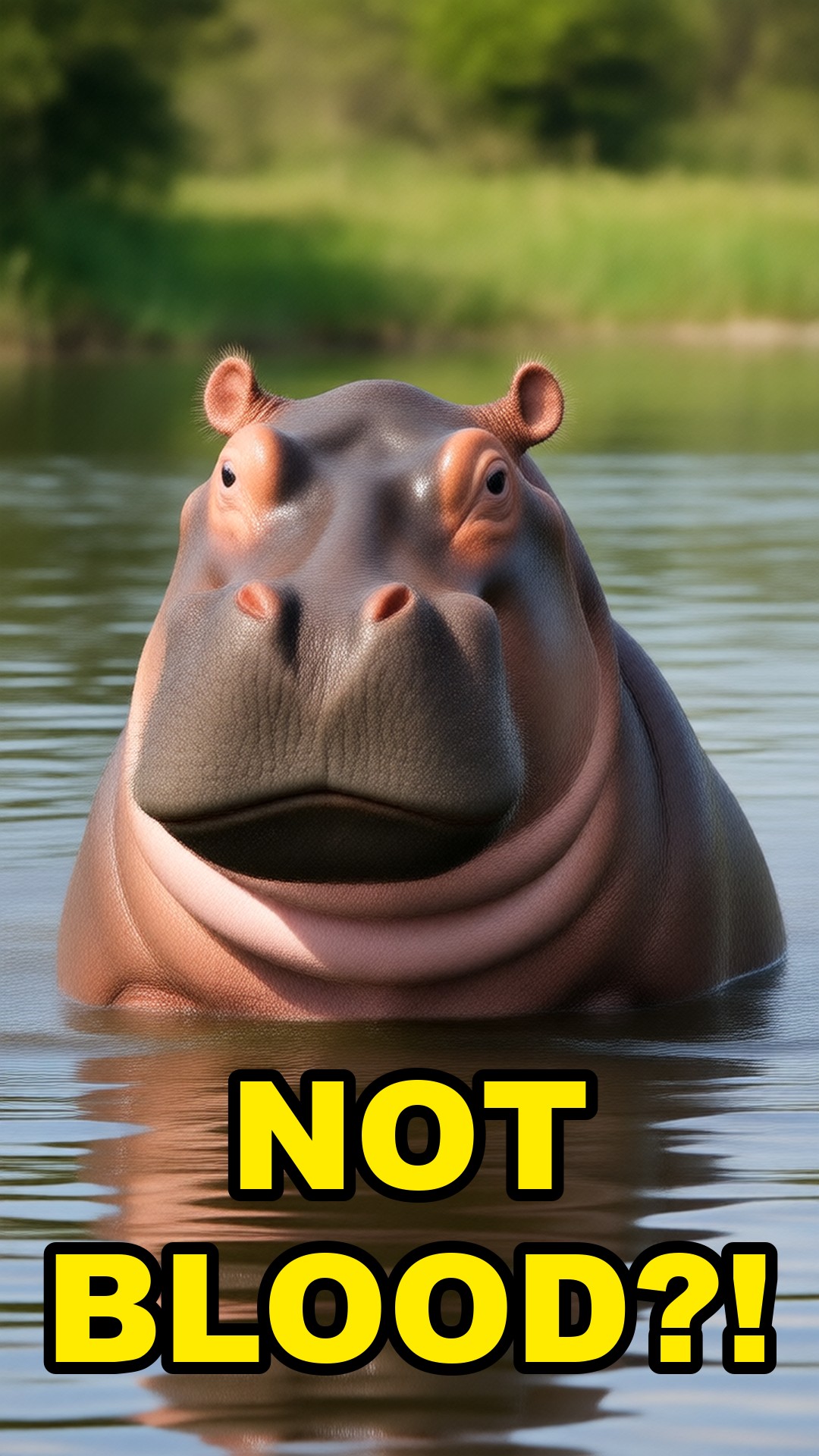
#40Hippos sometimes look like they are covered in blood, but the red stuff is not blood and not sweat.
 #39
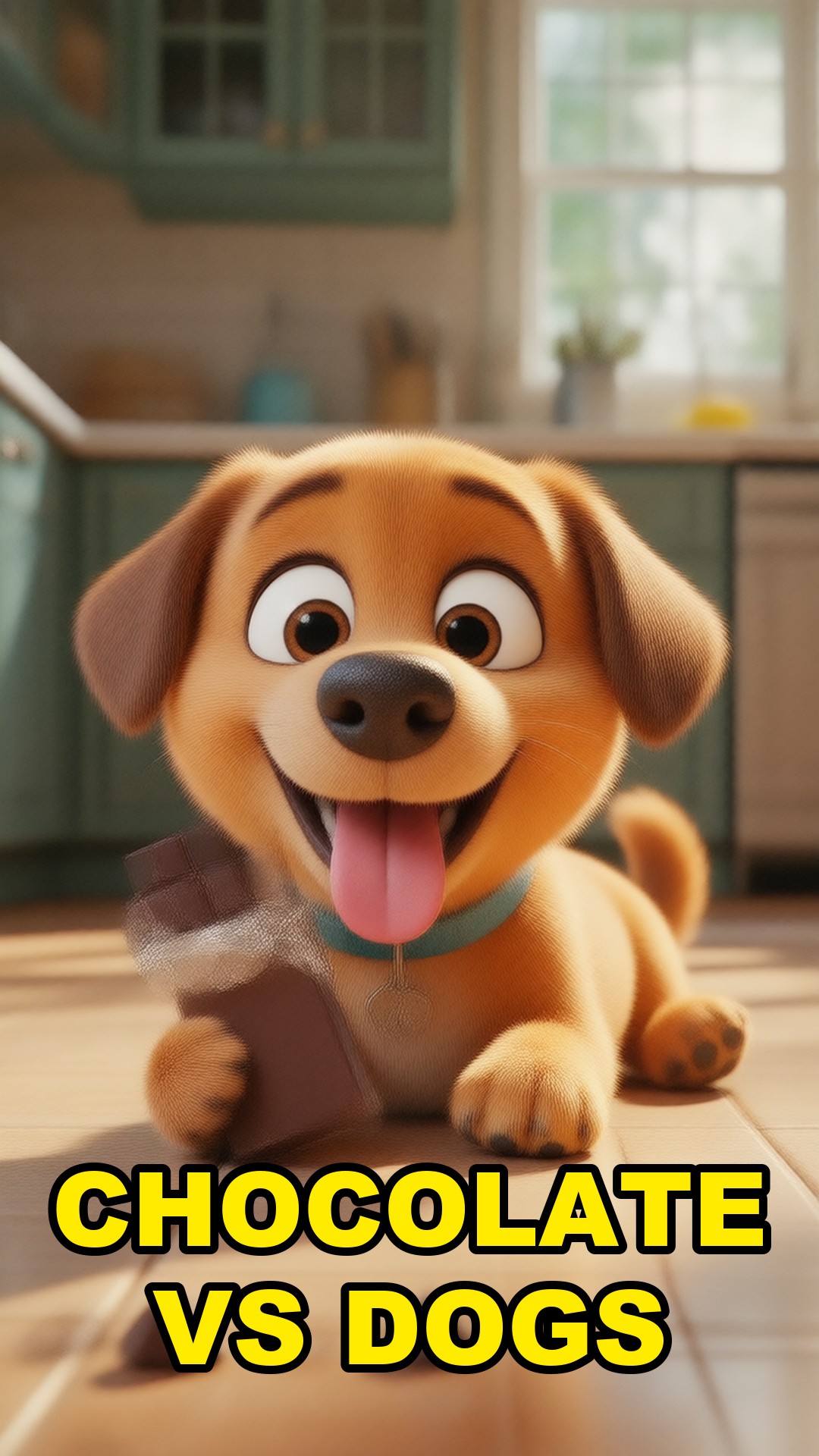
#39Chocolate contains theobromine, a chemical closely related to caffeine.
 #37
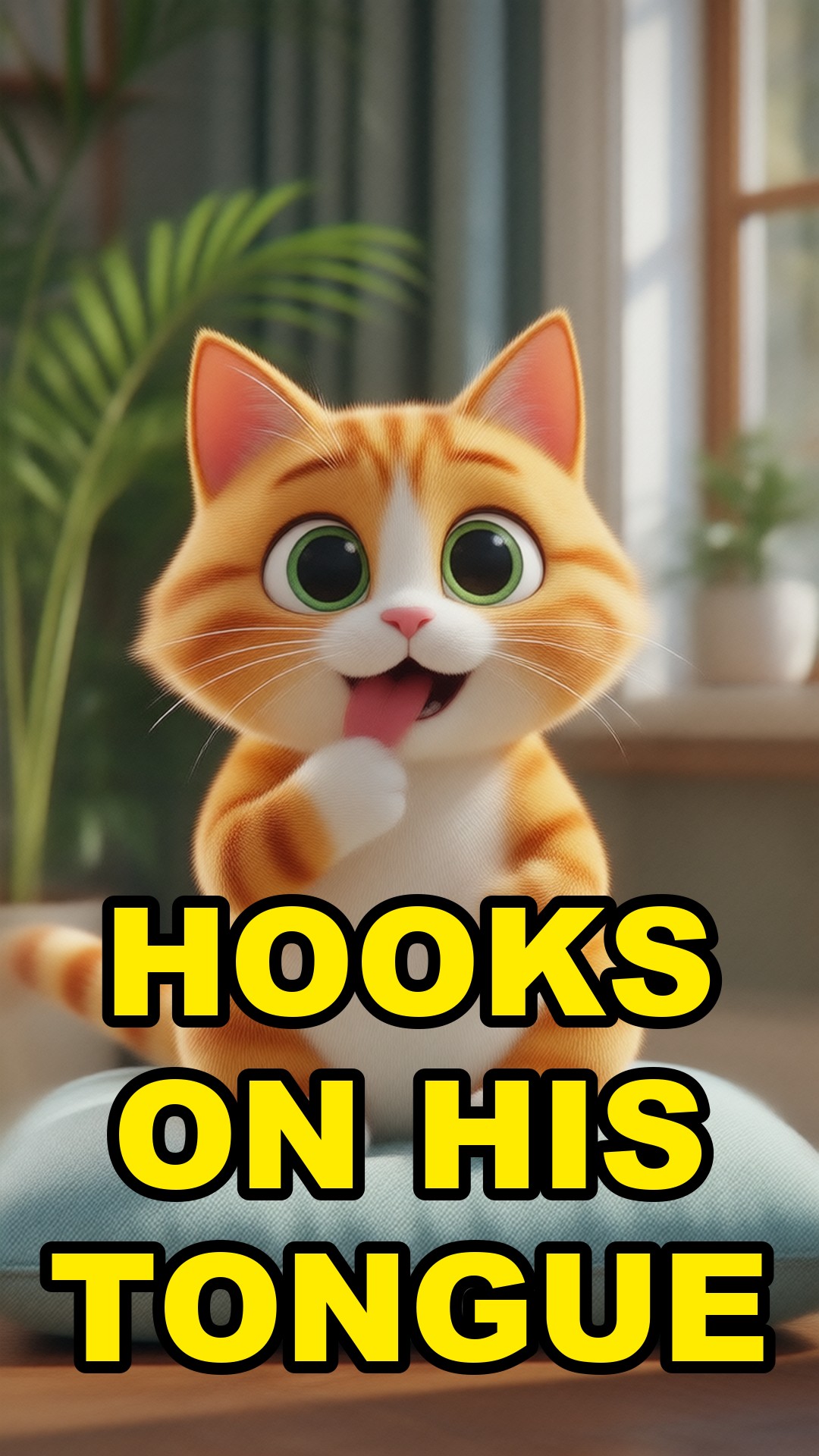
#37A cat's tongue is covered in hundreds of stiff, backward-curving spines made of keratin, and each one has a hollow scoop at the tip.
 #36
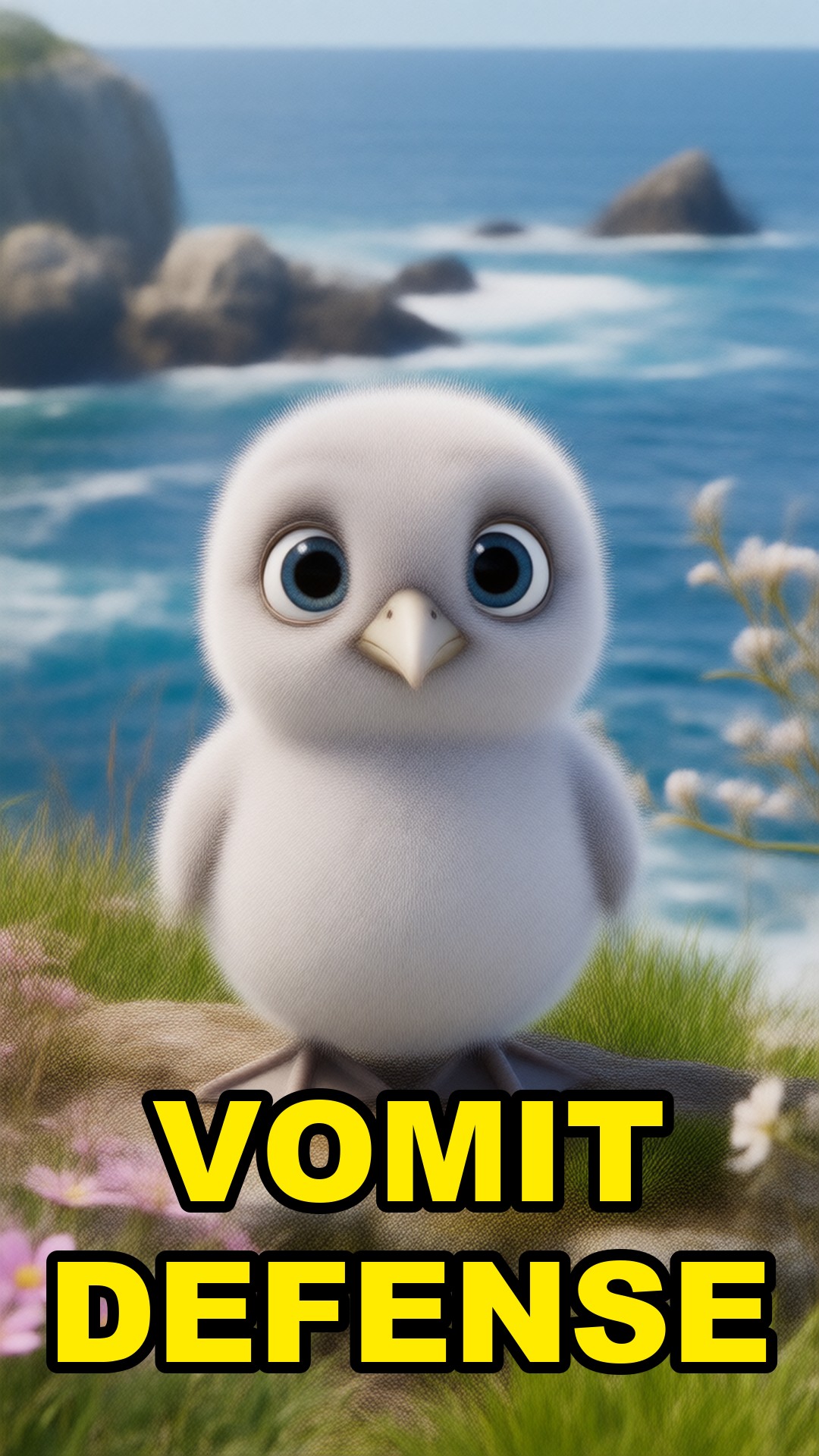
#36Fulmar chicks spend a lot of time alone on cliff ledges while their parents feed at sea.
 #35
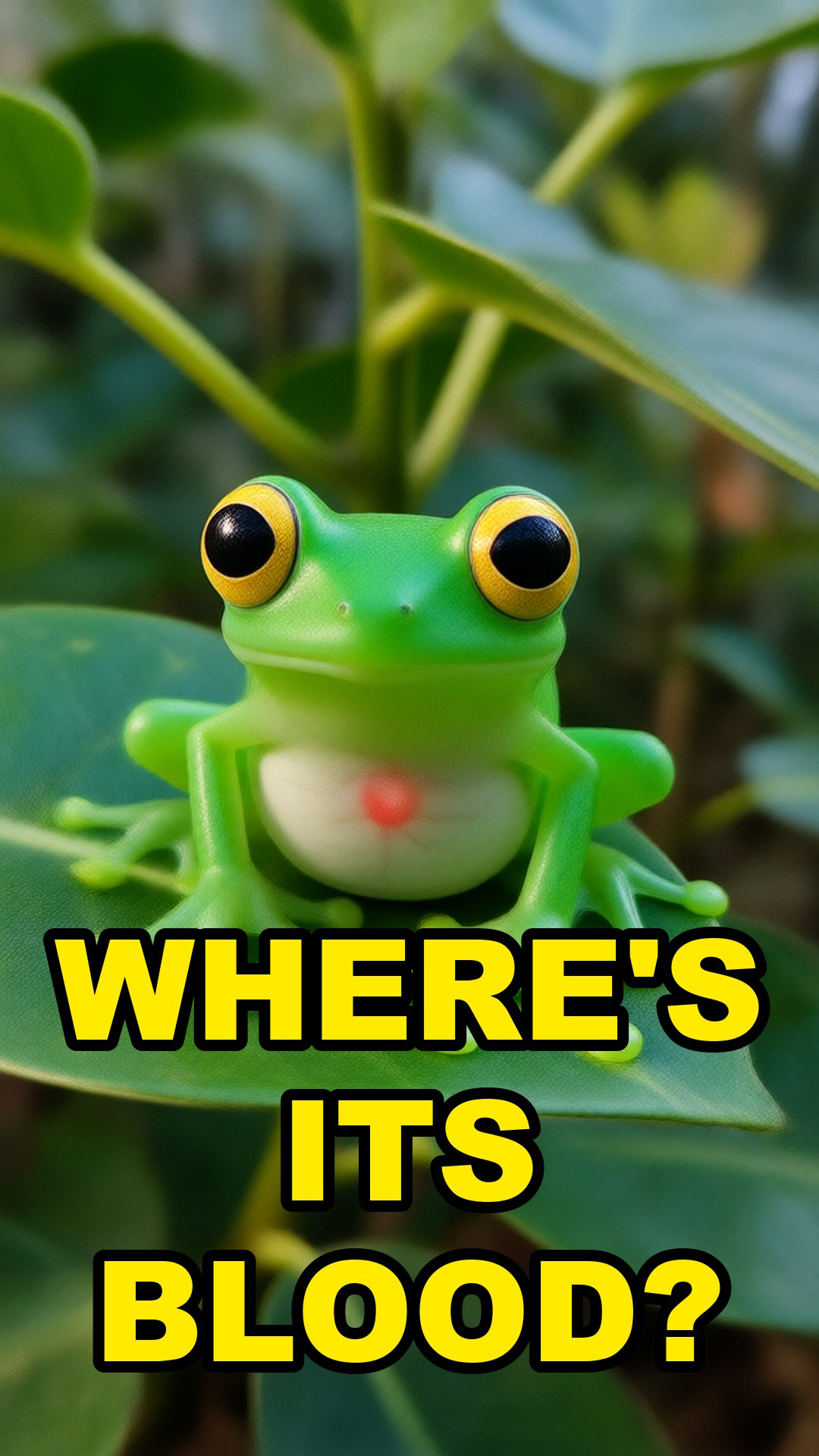
#35Glass frogs have see-through skin, but red blood should give them away.
 #34
#34Scratch the right spot and your dog's back leg starts pedalling.
 #24
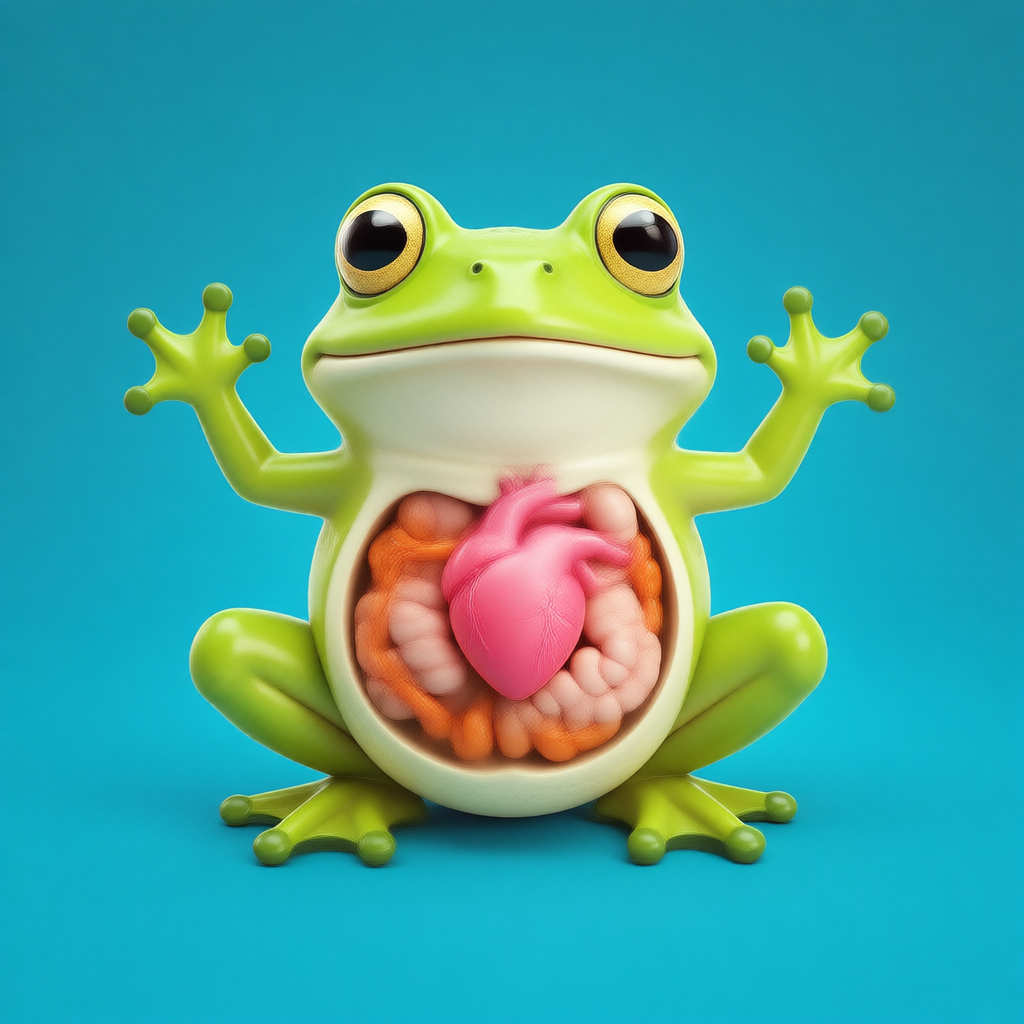
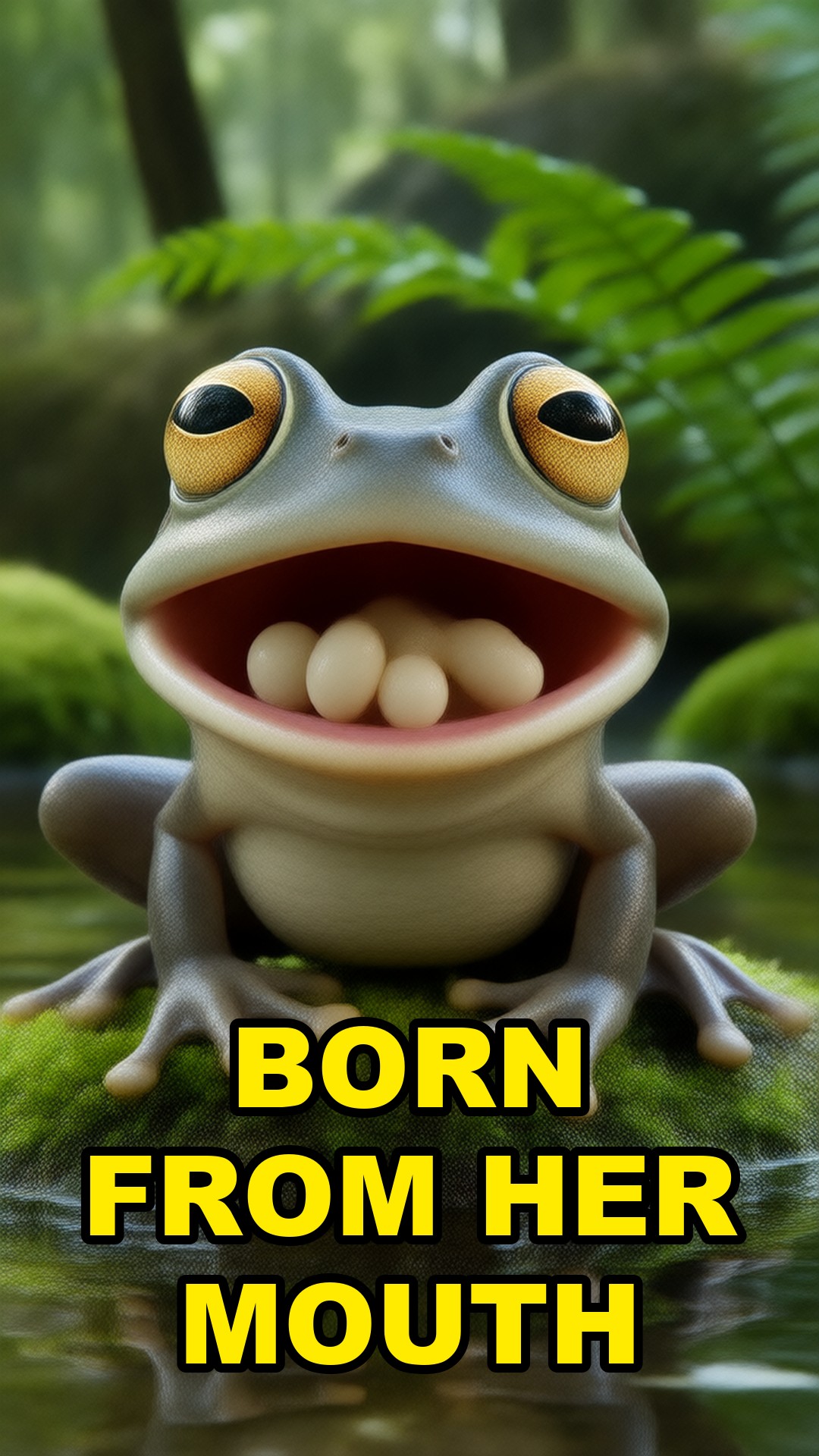
#24The southern gastric-brooding frog swallowed her own eggs, switched off her stomach acid, and raised her young inside her stomach for about six weeks.
 #23
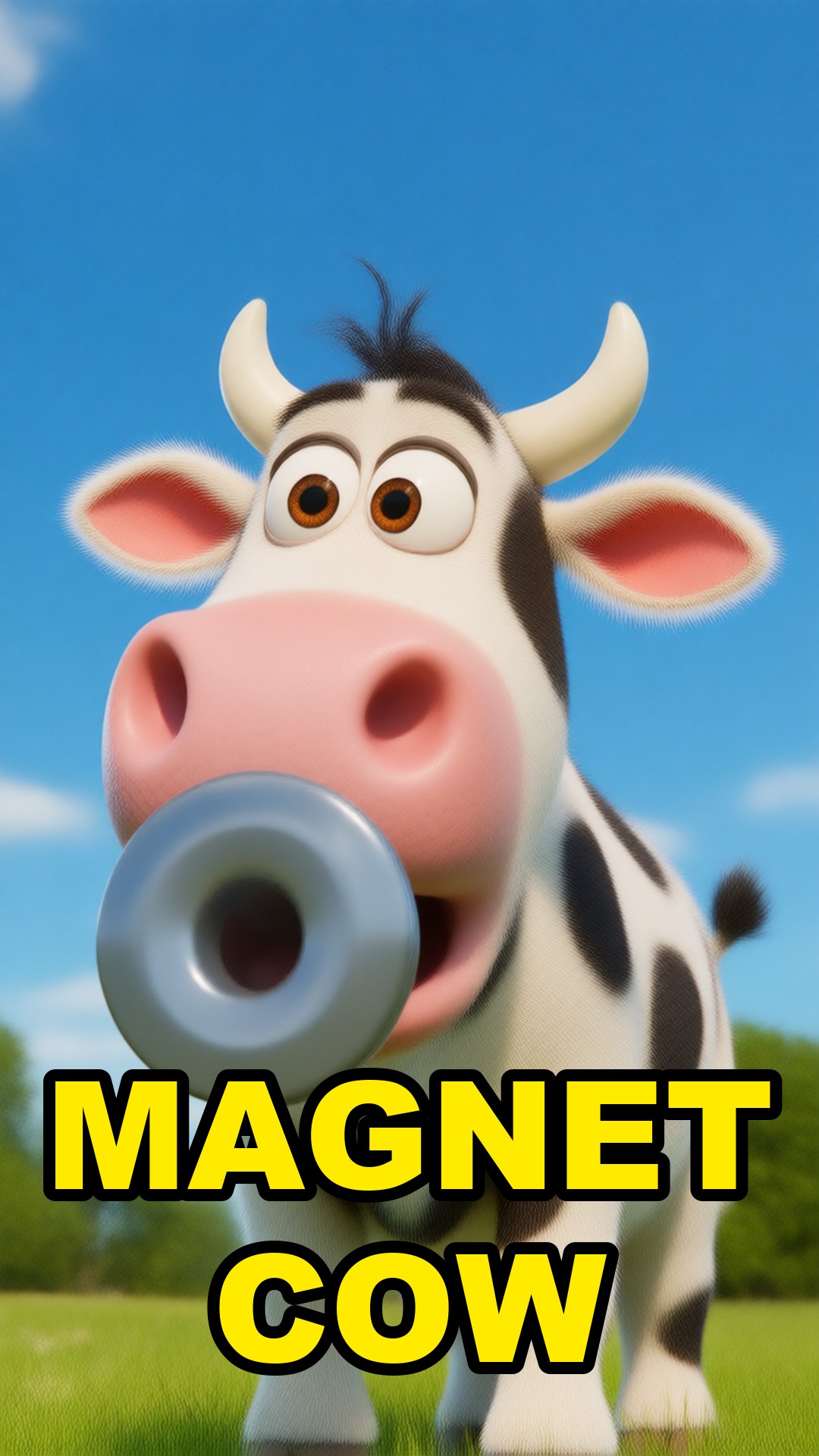
#23Some farmers give their cows a magnet to swallow on purpose.
 #17
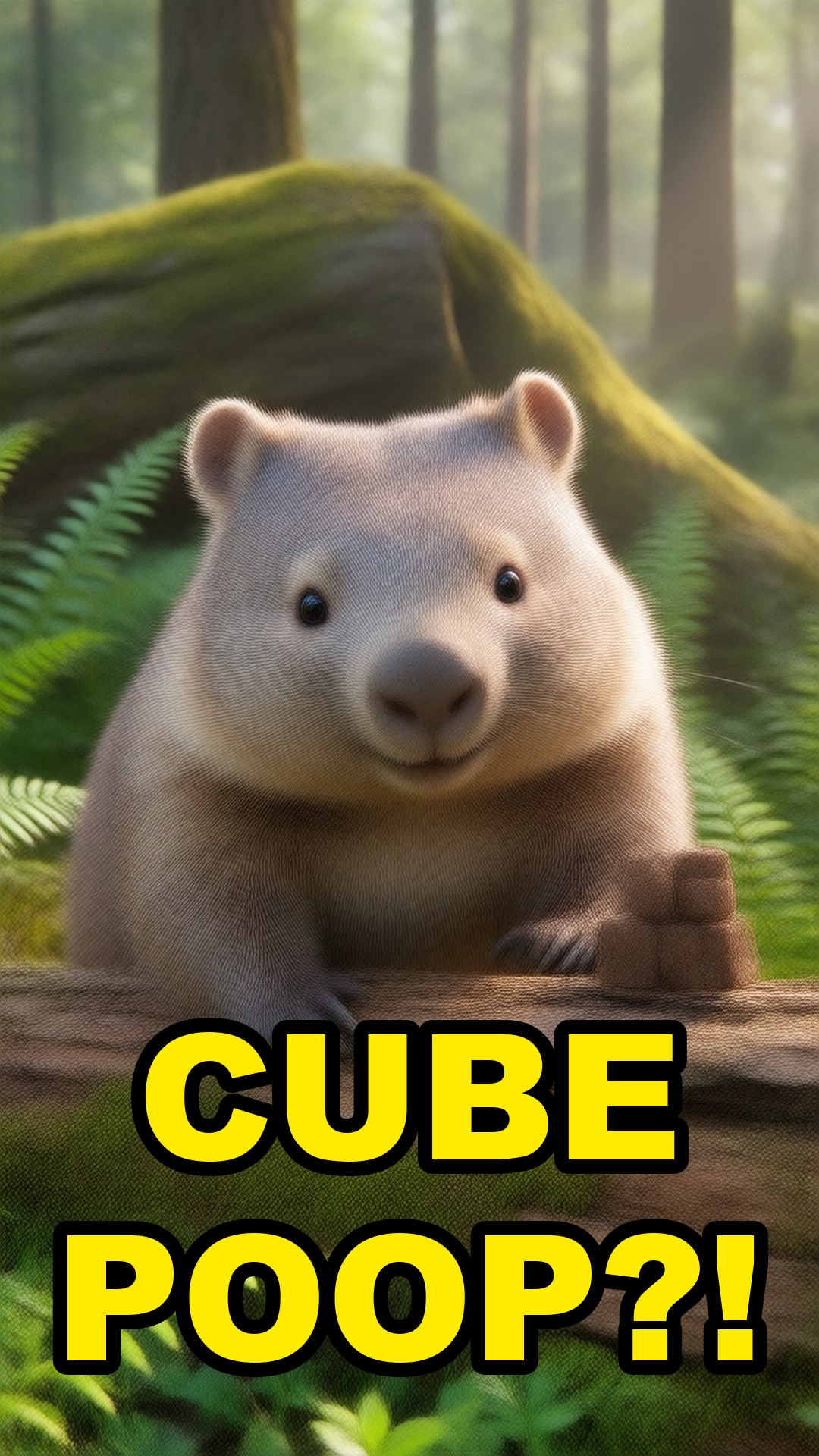
#17Wombats are the only animals known to make cube-shaped poop.
 #14
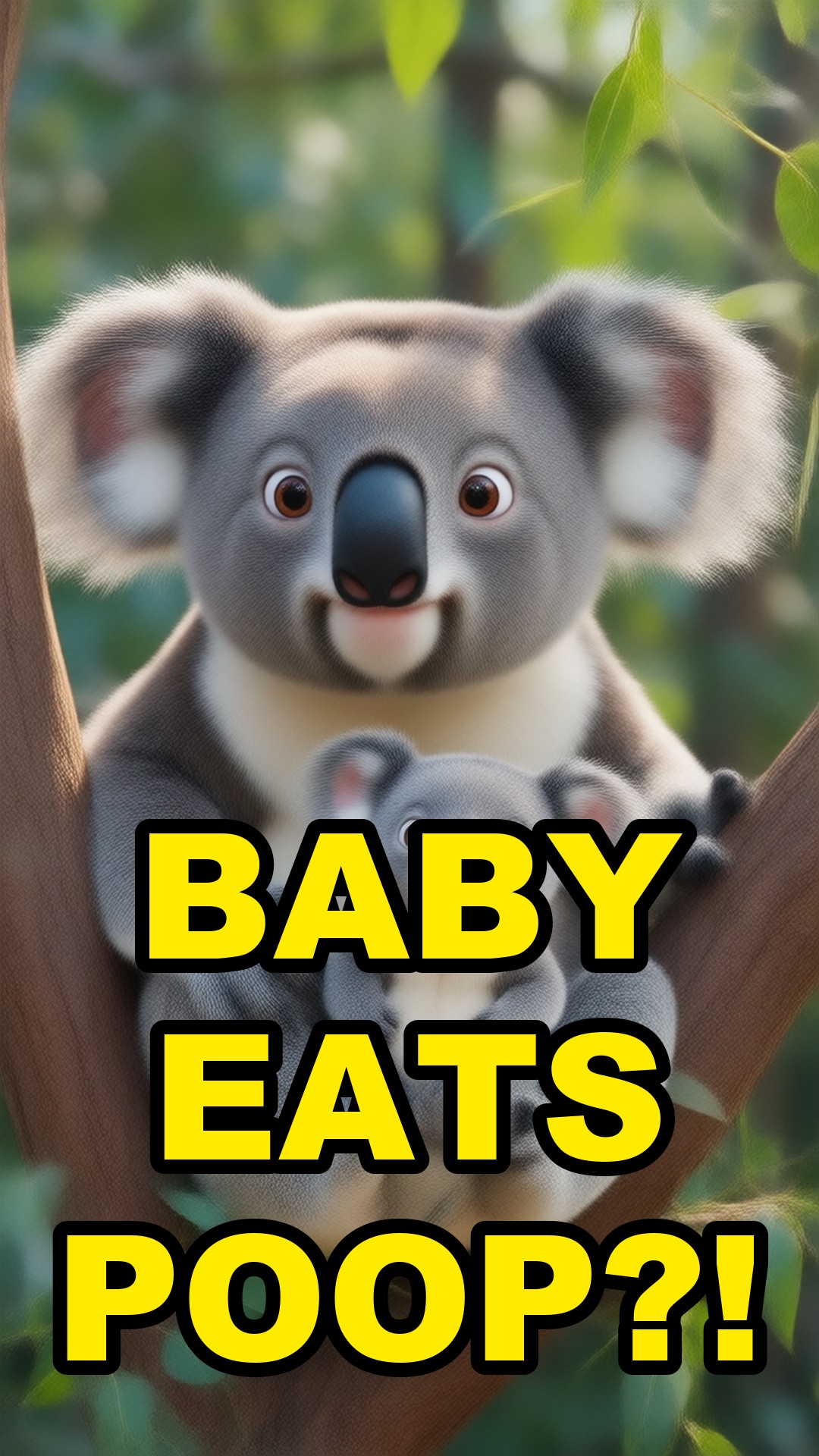
#14Eucalyptus leaves are tough and toxic to most animals, and a baby koala that has only drunk milk can't digest them.
 #11
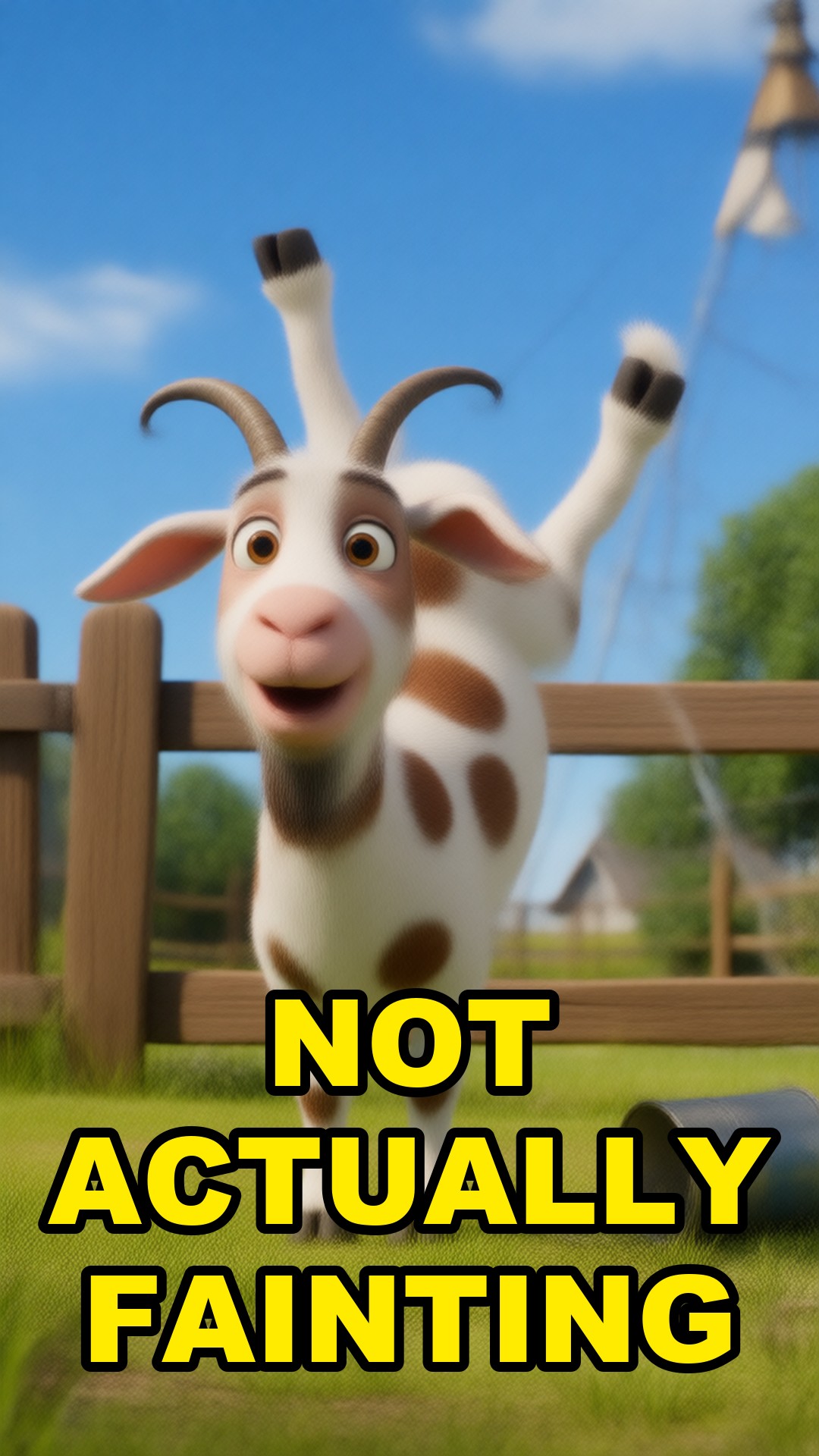
#11Scare a myotonic goat and it tips over like a statue.
 #10
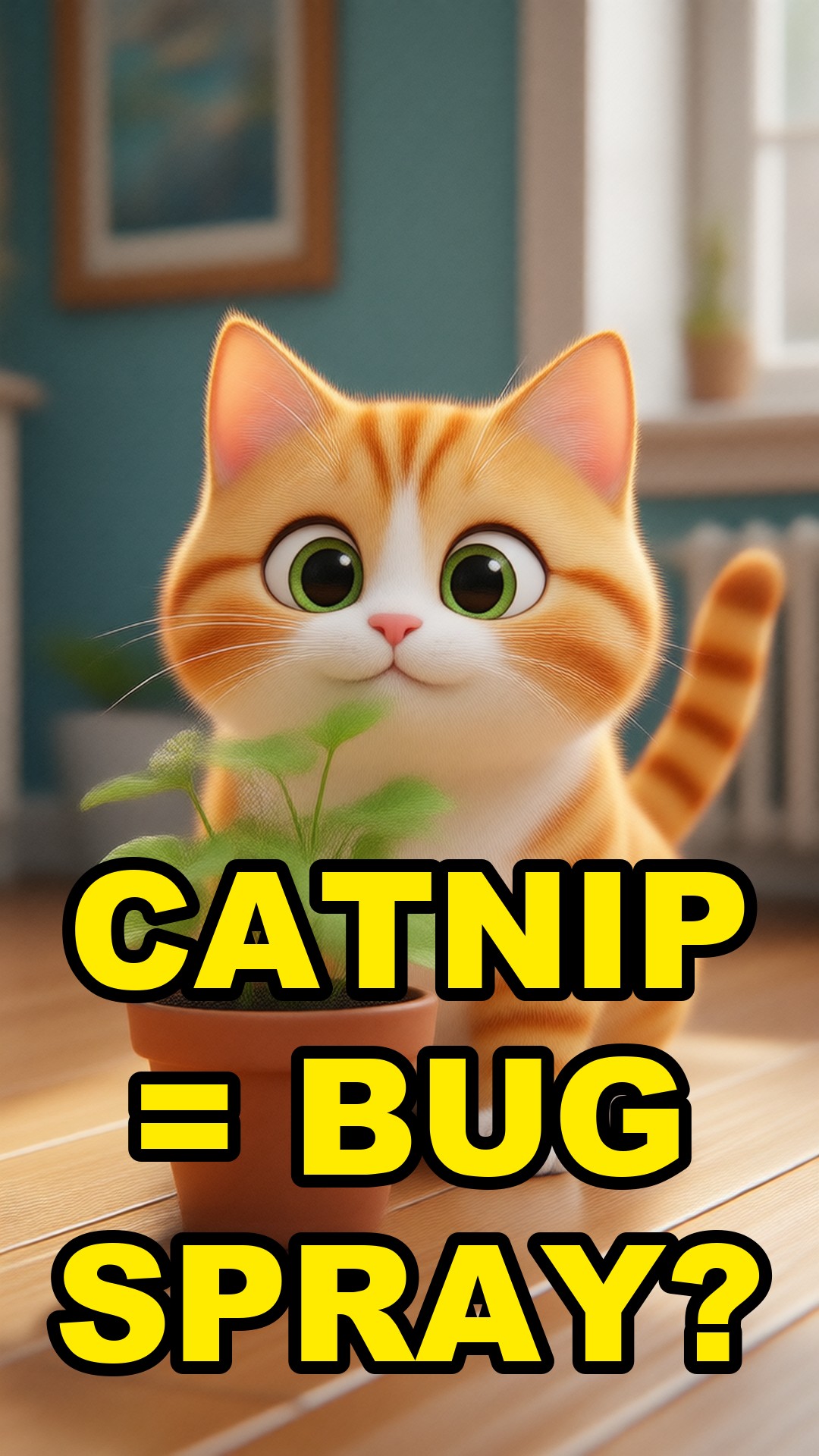
#10When a cat sniffs catnip, a chemical called nepetalactone reaches scent sensors in its nose, and its brain releases feel-good chemicals.
17 videos · Newest first. Prefer a plain list? See the full archive.